



Food safety has become a major purchasing factor in the global cookware industry. Importers, distributors, retailers, and private-label brands increasingly require proof that cookware materials are safe for food contact.
Among the most recognized standards, FDA and LFGB cookware certifications are frequently requested during supplier evaluations. While both focus on food-contact safety, they serve different markets and follow different testing approaches.
Understanding these differences can help buyers choose the right certification strategy and select suppliers capable of supporting international market requirements.
What Is FDA Cookware Certification?
FDA compliance refers to food-contact material regulations established by the U.S. Food and Drug Administration.
For cookware, FDA compliance focuses primarily on whether materials are safe when they come into contact with food. Testing often evaluates:
- Material composition
- Chemical migration
- Heavy metals
- Food-contact safety
FDA compliance is particularly important for:
- United States market
- Amazon US sellers
- North American distributors
- Retail buyers serving U.S. consumers
For products sold in the U.S., FDA compliance is often considered the minimum requirement.
What Is LFGB Certification?
LFGB is Germany’s Food and Feed Code and is widely recognized throughout Europe.
Many buyers consider LFGB one of the most rigorous food-contact standards because it includes both migration testing and sensory testing.
LFGB testing may evaluate:
- Chemical migration
- Heavy metals
- Food-contact safety
- Odor transfer
- Taste transfer
Because of these additional requirements, LFGB-certified products are often associated with premium quality and higher consumer trust.
LFGB is particularly important in:
- Germany
- European Union markets
- Premium cookware segments
- High-end retail channels
LFGB vs FDA: Key Differences
The most important difference between LFGB and FDA is the testing scope.
| Feature | FDA | LFGB |
|---|---|---|
| Primary Market | United States | Europe |
| Migration Testing | Yes | Yes |
| Sensory Testing | No | Yes |
| Consumer Recognition | High in U.S. | High in Europe |
| Testing Strictness | High | Often Considered Higher |
| Premium Market Perception | Strong | Very Strong |
Both standards evaluate food-contact safety, but LFGB generally requires additional sensory testing. Products that affect the taste or smell of food may pass FDA requirements yet fail LFGB testing.
This is why many buyers consider LFGB the more demanding standard.
However, FDA compliance remains essential for companies selling in the United States.
Which Certification Builds More Consumer Trust?
The answer depends largely on the target market.
In the United States
FDA compliance carries greater recognition because consumers are familiar with FDA regulations.
Products advertised as FDA-compliant often benefit from stronger credibility and retailer acceptance.
In Europe
LFGB generally enjoys stronger recognition, especially in Germany and other European markets.
Many consumers and professional buyers view LFGB certification as evidence of stricter testing and higher product quality.
In Global B2B Procurement
For importers and distributors, trust is often based on risk reduction.
Buyers increasingly request both FDA and LFGB documentation because it:
- Simplifies international distribution
- Supports multiple markets
- Reduces compliance risks
- Improves retailer acceptance
From a sourcing perspective, broader compliance coverage usually creates more confidence.

Do You Need Both LFGB and FDA Certifications?
The answer depends on your sales strategy.
FDA Alone May Be Enough If:
- You sell exclusively in the United States
- Your distribution is focused on North America
- Customers only require FDA compliance
LFGB Alone May Be Enough If:
- You primarily serve Europe
- Retailers specifically request LFGB reports
- Premium European positioning is your priority
Both Certifications Are Recommended If:
- You sell globally
- You operate a private-label brand
- You supply multiple retail channels
- You want maximum market flexibility
Many international cookware brands choose both certifications because they simplify expansion into new markets.
How to Verify a Supplier’s Certification Claims
Not all certification claims are equal.
Before placing an order, buyers should request:
- Laboratory test reports
- Testing dates
- Product-specific documentation
- Accredited laboratory information
Be cautious of suppliers that provide:
- Expired reports
- Generic certificates
- Missing laboratory details
- Reports unrelated to the actual product
A professional stainless steel cookware manufacturer should be able to provide complete and transparent compliance documentation.
Why Certification Capability Reflects Manufacturing Quality
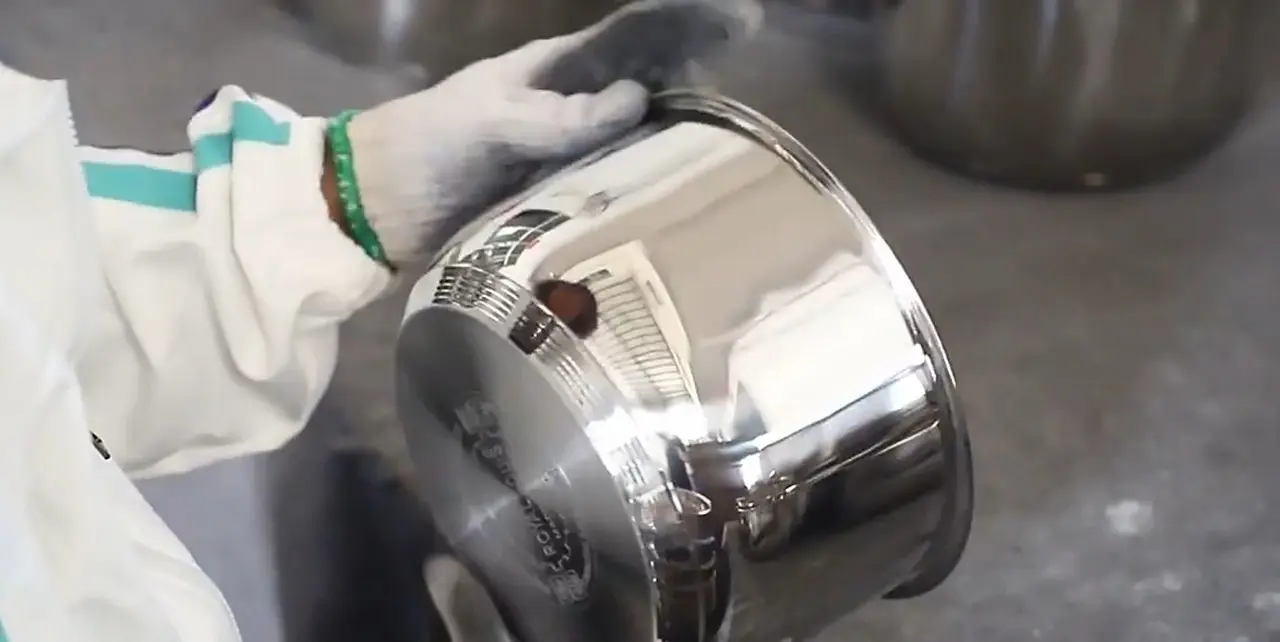
Obtaining FDA or LFGB compliance is not simply about laboratory testing. It reflects a manufacturer’s ability to control materials and production processes consistently.
A reliable custom stainless steel cookware manufacturer typically maintains:
- Food-grade raw material sourcing
- Material traceability systems
- Multi-stage quality inspections
- Consistent production standards
These capabilities help ensure products continue meeting compliance requirements over time.
Experienced wholesale cookware suppliers can also assist buyers with testing coordination, export documentation, OEM projects, and market-specific compliance requirements.
FAQs
Is LFGB stricter than FDA?
Generally yes. LFGB includes sensory testing for odor and taste in addition to migration testing, making it more comprehensive in many situations.
Is FDA compliance accepted in Europe?
FDA compliance demonstrates food-contact safety, but many European buyers still require LFGB or other European compliance documentation.
Can cookware products have both FDA and LFGB compliance?
Yes. Many manufacturers test products against both standards to support international distribution.
Which certification is better for private-label cookware brands?
For global brands, having both FDA and LFGB compliance usually provides the greatest market flexibility and buyer confidence.
What should importers ask cookware manufacturers for?
Request current test reports, accredited laboratory documentation, and product-specific compliance records.
Conclusion
FDA and LFGB are both valuable food-contact safety standards, but they serve different purposes. FDA compliance is essential for the U.S. market, while LFGB is often regarded as the more rigorous standard and carries strong credibility in Europe.
Rather than asking which certification is universally better, buyers should consider where their products will be sold and what their customers require.
For brands targeting international growth, obtaining both FDA and LFGB compliance often provides the strongest competitive advantage. When selecting a manufacturing partner, compliance capabilities should be evaluated alongside quality control, OEM expertise, and export experience to ensure long-term success in global cookware markets.