



世界の調理器具業界において、食品の安全性は重要な購買要因となっています。輸入業者、卸売業者、小売業者、およびプライベートブランド各社は、調理器具の素材が食品との接触に安全であることを示す証拠をますます求めています。.
最も広く認知されている規格の中でも、サプライヤーの評価の際には、FDAおよびLFGBの調理器具認証が頻繁に求められます。いずれも食品との接触における安全性に重点を置いていますが、対象とする市場が異なり、試験手法も異なります。.
これらの違いを理解することで、バイヤーは適切な認証戦略を策定し、国際市場の要件に対応できるサプライヤーを選定するのに役立ちます。.
FDAの調理器具認証とは何ですか?
FDAコンプライアンスとは、米国食品医薬品局(FDA)が定めた食品接触材料に関する規制を指します。.
調理器具に関しては、FDAの規制遵守において、主に材料が食品と接触した際に安全であるかどうかが重視されます。試験では、多くの場合、以下の点が評価されます:
- 材料の組成
- 化学物質の移行
- 重金属
- 食品接触の安全性
FDAの規制遵守は、特に以下の分野において重要です:
- 米国市場
- Amazon USの出品者
- 北米の販売代理店
- 米国の消費者向けに商品を取り扱う小売バイヤー
米国で販売される製品については、FDAの規制への準拠が最低限の要件とみなされることが多い。.
LFGB認証とは何ですか?
LFGBはドイツの食品・飼料法であり、欧州全域で広く認知されています。.
多くの購入者は、LFGBが移行試験と官能試験の両方を盛り込んでいることから、食品接触に関する最も厳格な基準の一つであると考えています。.
LFGB試験では、以下の項目が評価される場合があります:
- 化学物質の移行
- 重金属
- 食品接触の安全性
- 臭いの移り
- 味の移り
こうした追加要件があるため、LFGB認証製品は、多くの場合、最高品質の代名詞と見なされ、消費者からの信頼もより高くなっています。.
LFGBは、特に以下の点において重要です:
- ドイツ
- 欧州連合(EU)の市場
- 高級調理器具のセグメント
- 高級小売チャネル
LFGB 対 FDA:主な相違点
LFGBとFDAの最も重要な違いは、検査の範囲です。.
| 特徴 | 食品医薬品局 | LFGB |
|---|---|---|
| 一次市場 | アメリカ合衆国 | ヨーロッパ |
| 移行テスト | はい | はい |
| 官能検査 | いいえ | はい |
| 消費者の認知度 | 米国で高い. | ヨーロッパの高地 |
| 厳密性の検証 | 高い | しばしばより高いと見なされる |
| プレミアム市場に対する認識 | 強い | 非常に強い |
どちらの基準も食品との接触における安全性を評価するものですが、LFGBでは一般的に追加の官能検査が求められます。食品の味や香りに影響を与える製品は、FDAの要件を満たしていても、LFGBの検査では不合格となる場合があります。.
そのため、多くの購入者はLFGBの方がより厳しい基準であると考えています。.
とはいえ、米国で製品を販売する企業にとっては、FDAの規制への準拠が依然として不可欠である。.
どの認定資格が、より多くの消費者の信頼を築くことができるでしょうか?
その答えは、主にターゲット市場によって異なります。.
米国では
消費者はFDAの規制に馴染みがあるため、FDAの規制への準拠はより高い評価を得ています。.
FDAの基準に準拠していると宣伝されている製品は、多くの場合、信頼性が高まり、小売業者からの受け入れも得やすくなります。.
ヨーロッパでは
LFGBは、特にドイツやその他の欧州市場において、一般的に高い認知度を誇っています。.
多くの消費者やプロのバイヤーは、LFGB認証を、より厳格な検査とより高い製品品質の証と見なしています。.
グローバルB2B調達において
輸入業者や販売業者にとって、信頼は多くの場合、リスクの低減に基づいています。.
購入者からは、FDAおよびLFGBの書類の両方を求める声がますます高まっています。その理由は以下の通りです:
- 国際的な流通を簡素化します
- 複数の市場に対応しています
- コンプライアンス上のリスクを低減する
- 小売業者による受け入れを促進する
調達という観点から見ると、コンプライアンスの対象範囲が広ければ広いほど、通常、信頼感が高まります。.

LFGBとFDAの両方の認証が必要ですか?
その答えは、貴社の販売戦略次第です。.
以下の条件を満たす場合、FDAのみでも十分である可能性があります:
- 貴社は米国でのみ販売を行っています
- 御社の販売は北米に重点を置いています
- お客様には、FDAの規制への準拠のみが求められます
以下の場合は、LFGBのみでも十分である可能性があります:
- 主にヨーロッパを拠点として活動しています
- 小売業者からは、特にLFGB報告書の提出が求められています
- 欧州市場でのプレミアムなポジショニングを最優先とする
以下の場合は、両方の認定資格の取得をお勧めします:
- 世界中で販売しています
- 貴社はプライベートブランドを展開しています
- 複数の小売チャネルに商品を供給しています
- 市場での柔軟性を最大限に高めたい
多くの国際的な調理器具ブランドが、これらの認証を両方取得しているのは、それによって新規市場への進出が容易になるためです。.
サプライヤーの認証に関する主張を確認する方法
すべての認証に関する主張が同等のものとは限りません。.
ご注文の前に、購入者は以下の事項を確認してください:
- 試験報告書
- 試験日程
- 製品固有のドキュメント
- 認定試験所に関する情報
次のようなサービスを提供する業者には注意してください:
- 有効期限が切れたレポート
- 汎用証明書
- 実験室の詳細情報が欠落しています
- 実際の製品とは関係のない報告
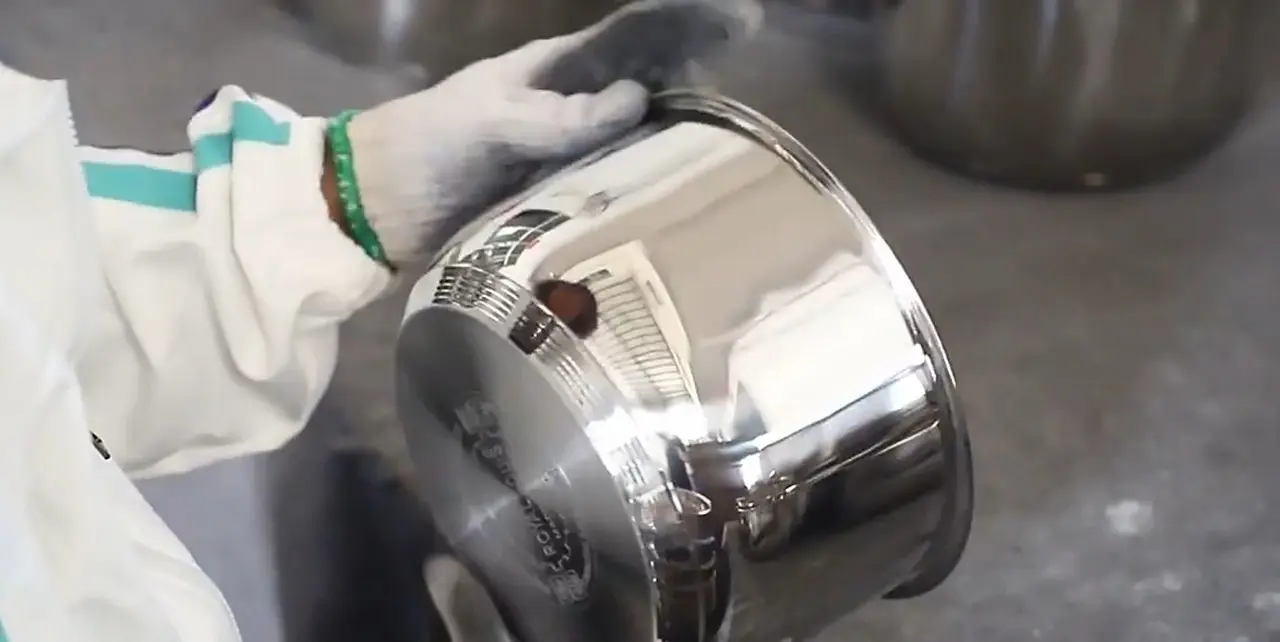
プロフェッショナル ステンレス調理器具メーカー 完全かつ透明性の高いコンプライアンス関連書類を提出できるべきである。.
なぜ認証能力が製造品質を反映するのか
FDAやLFGBの基準への適合は、単に実験室での試験を行うことだけではありません。それは、製造業者が原材料や製造工程を一貫して管理できる能力を反映したものです。.
信頼できる オーダーメイドのステンレス製調理器具メーカー 通常、次のように規定している:
- 食品用原材料の調達
- 材料のトレーサビリティシステム
- 多段階の品質検査
- 一貫した生産基準
これらの機能により、製品が長期にわたりコンプライアンス要件を満たし続けることが保証されます。.
経験豊富な 調理器具の卸売業者 また、購入者に対し、試験の調整、輸出関連書類の作成、OEMプロジェクト、および市場ごとのコンプライアンス要件についても支援いたします。.
よくある質問
LFGBはFDAよりも厳しいのでしょうか?
概してそうです。LFGBには、溶出試験に加え、臭いや味に関する官能検査も含まれており、多くの状況においてより包括的な規格となっています。.
FDAの規制への準拠は、欧州でも認められていますか?
FDAの規制への準拠は、食品接触における安全性を証明するものですが、多くの欧州のバイヤーは依然としてLFGBやその他の欧州の規制への準拠を証明する書類を求めています。.
調理器具製品は、FDAとLFGBの両方の基準を満たすことは可能ですか?
はい。多くのメーカーは、国際的な販売に対応するため、両方の規格に基づいて製品の試験を行っています。.
プライベートブランドの調理器具メーカーにとって、どの認証が適しているでしょうか?
グローバルブランドにとって、FDAおよびLFGBの両方の基準に準拠していることは、通常、市場における最大の柔軟性とバイヤーの信頼をもたらします。.
輸入業者は調理器具メーカーに何を尋ねるべきでしょうか?
最新の試験報告書、認定試験所の書類、および製品ごとの適合性記録を請求してください。.
結論
FDAとLFGBはどちらも食品接触材料の安全性に関する重要な基準ですが、その目的は異なります。米国市場においてはFDAへの準拠が不可欠である一方、LFGBはより厳格な基準と見なされることが多く、欧州では高い信頼性を誇っています。.
どの認証が絶対的に優れているかを問うよりも、購入者は自社製品がどこで販売されるのか、また顧客が何を求めているのかを検討すべきです。.
国際的な成長を目指すブランドにとって、FDAおよびLFGBの両方の規制要件を満たすことは、多くの場合、最も強力な競争優位性をもたらします。製造パートナーを選定する際には、品質管理、OEMに関する専門知識、輸出実績に加え、規制遵守能力も評価し、世界の調理器具市場における長期的な成功を確保する必要があります。.