



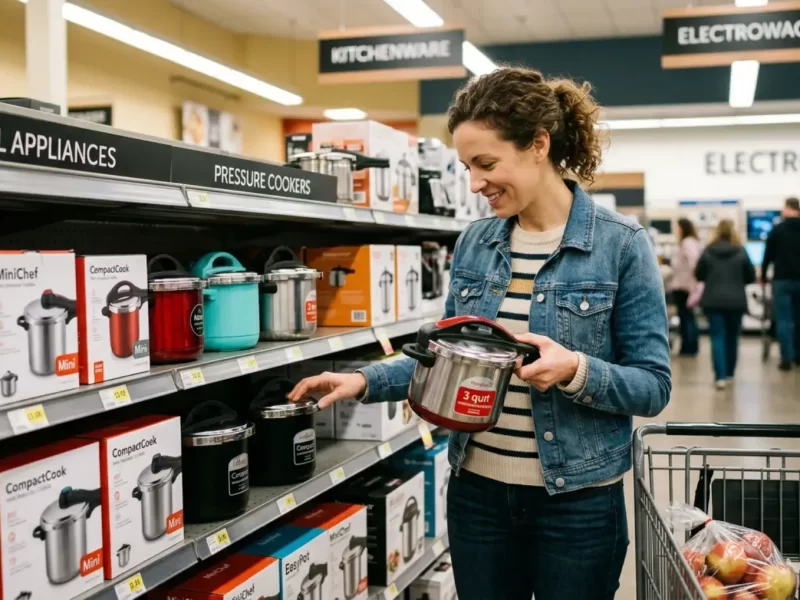
Pour les importateurs, les grossistes, les détaillants et les marques de distributeur, le choix d'un mini-autocuiseur ne se résume pas à une simple comparaison de la capacité, de l'aspect et du prix. Le produit doit offrir la bonne combinaison de sécurité, qualité des matériaux, compatibilité avec les plaques de cuisson, durabilité et facilité d'utilisation.
Dans ce guide, Hengguang, un professionnel fabricant d'autocuiseurs miniatures, explique les caractéristiques essentielles que les acheteurs doivent prendre en compte, ce que chaque spécification signifie dans la pratique, et quels détails techniques doivent être vérifiés avant d'acheter ou de passer une commande en gros.
Quelles sont les caractéristiques les plus importantes pour un mini-autocuiseur ?
Caractéristiques de sécurité
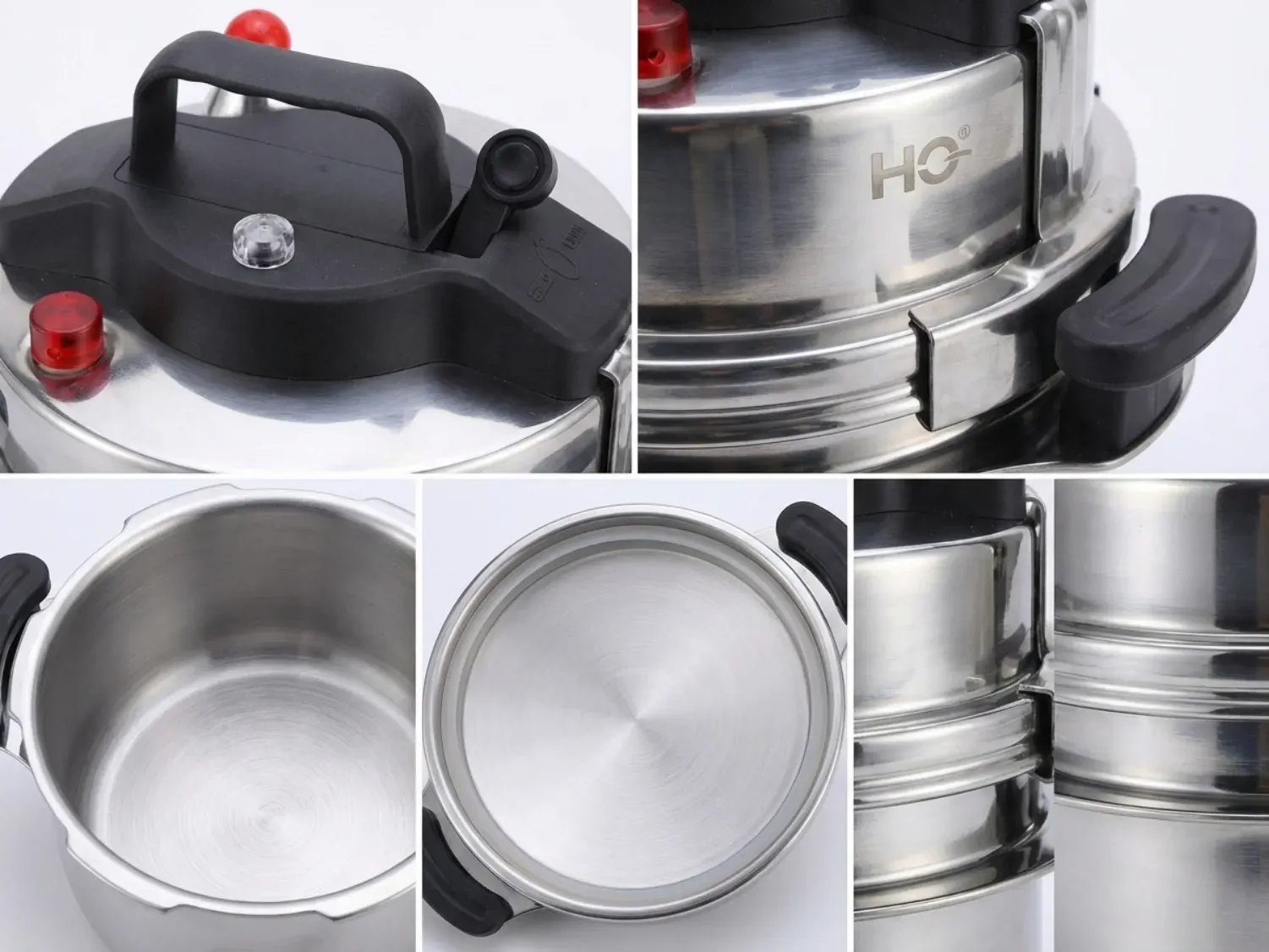
La sécurité doit être le premier critère à prendre en compte par les acheteurs, car un autocuiseur fonctionne sous pression. Un mini-autocuiseur adapté doit être équipé d'un système fiable système de décompression, soupape de sécurité et mécanisme de verrouillage du couvercle.
Les système de décompression doit permettre de contrôler et de relâcher la pression de manière appropriée. Une soupape de sécurité offre un mécanisme de protection supplémentaire si la pression dépasse la plage de fonctionnement prévue. Par ailleurs, le mécanisme de verrouillage du couvercle doit empêcher toute ouverture intempestive de l’autocuiseur tant qu’il y a encore de la pression à l’intérieur.
Matériaux et fabrication
Ce matériau a une incidence directe sur durabilité, résistance à la corrosion, aspect et positionnement du produit.
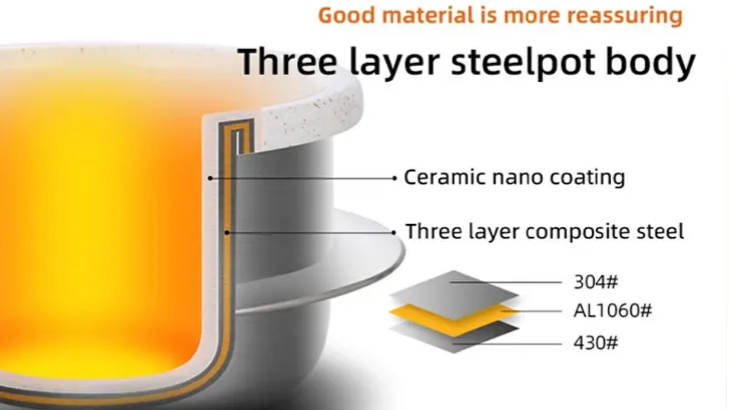
L'acier inoxydable est couramment utilisé pour les mini-autocuiseurs, car il garantit une construction résistante et convient à une utilisation répétée en cuisine. Les acheteurs doivent vérifier les caractéristiques spécifiques nuance d'acier inoxydable, plutôt que de se contenter d'utiliser le terme générique “ acier inoxydable ”.”
D'autres détails de construction ont également leur importance :
- Épaisseur du corps : affecte la résistance structurelle et la durabilité.
- Structure du couvercle : Cela influe sur l'étanchéité et les performances en matière de pression.
- Construction de la base : Cela a une incidence sur la répartition de la chaleur et la compatibilité.
- Finition de la surface : influe sur l'aspect, le nettoyage et la qualité perçue.
Pour les produits haut de gamme, une finition plus soignée et une conception minutieuse peuvent justifier un positionnement plus élevé sur le marché. En revanche, pour les produits où le prix est un facteur déterminant, les acheteurs peuvent privilégier une conception fiable tout en évitant les améliorations esthétiques superflues.
Compatibilité avec les sources de chaleur
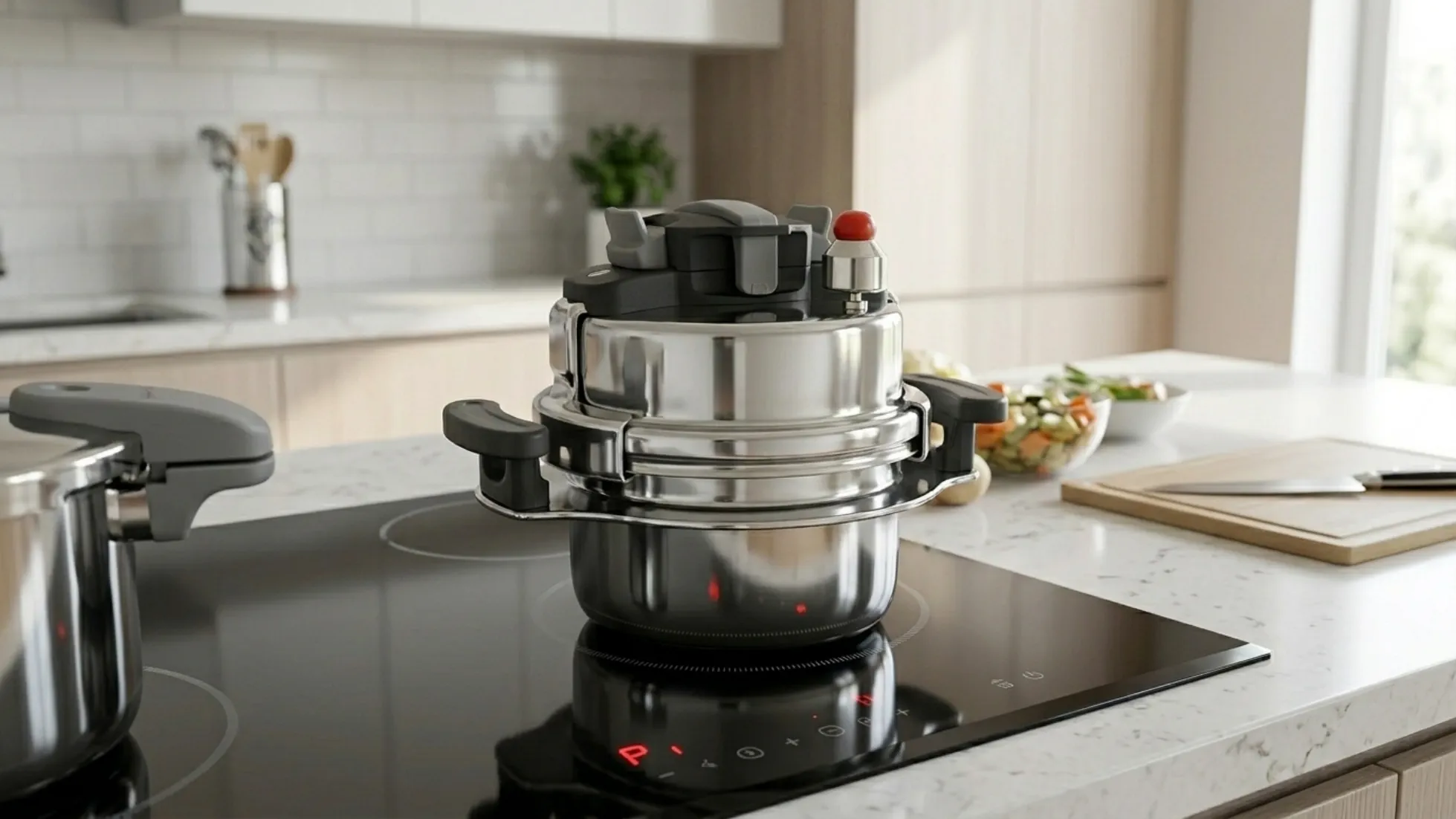
On peut utiliser une mini-cocotte-minute avec plaques de cuisson à gaz, électriques, vitrocéramiques ou à induction, selon le marché.
La compatibilité avec les plaques à induction mérite une attention particulière lors du développement de produits destinés à la distribution internationale. Une cuisinière conçue uniquement pour la cuisson au gaz classique risque de limiter considérablement son marché potentiel.
Les acheteurs doivent donc vérifier :
- Sources de chaleur compatibles
- Construction de la base
- Compatibilité avec la cuisson à induction
- Performances de transfert thermique
- Ce modèle prend-il en charge plusieurs modes de cuisson ?
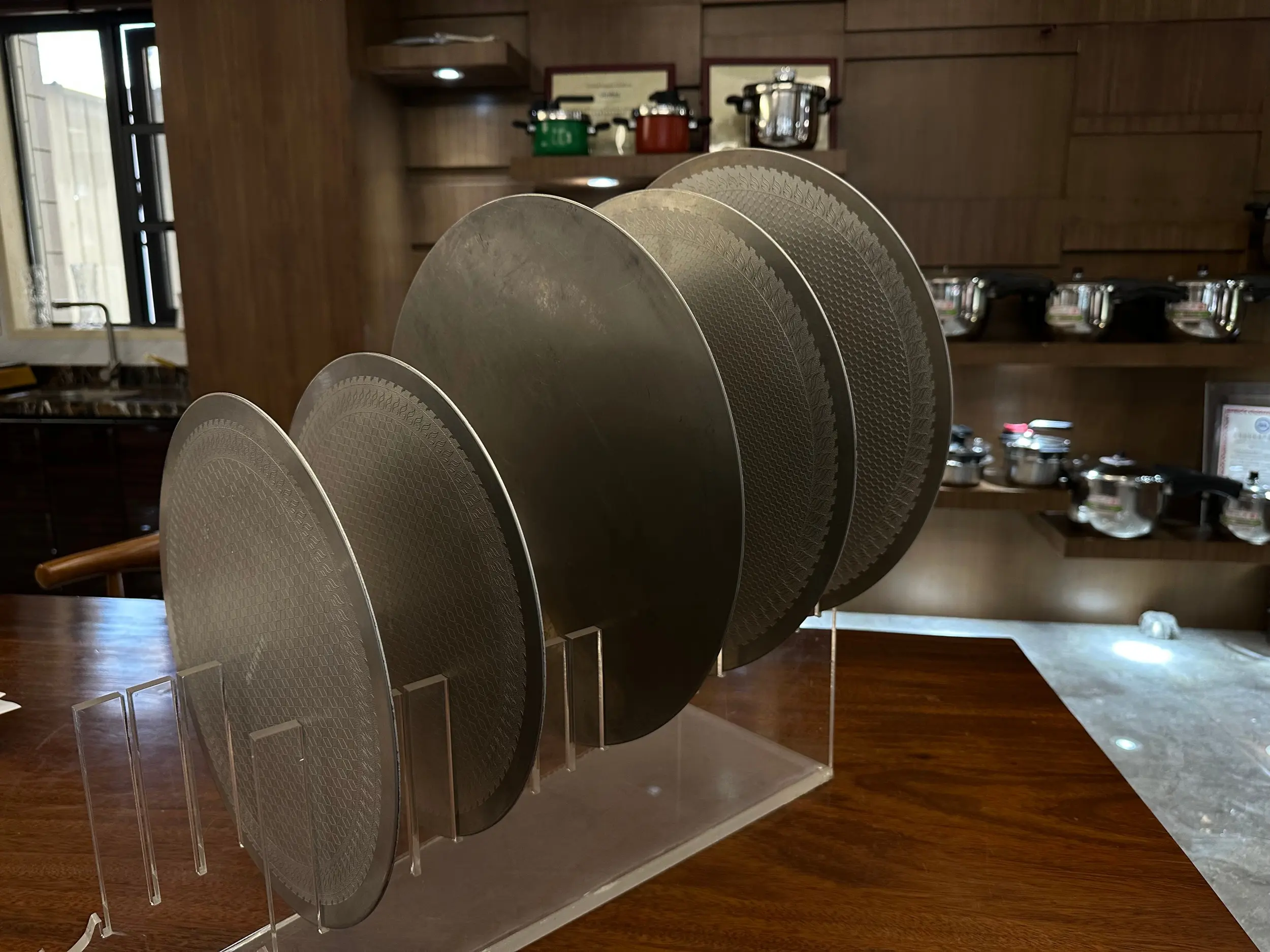
A base composite ou multicouche peut être envisagé lorsqu'une compatibilité plus large avec les plaques de cuisson est requise.
Prise en main et confort d'utilisation
Les ustensiles de cuisine compacts ne devraient pas perdre en fonctionnalité simplement parce que leur taille est réduite.
La poignée doit offrir une prise en main stable et une distance suffisante par rapport aux surfaces chaudes. Les acheteurs doivent également tenir compte du matériau de la poignée, de son mode de fixation, de sa résistance à la chaleur et de l'équilibre général de la cocotte.
Le couvercle est tout aussi important. Il doit être facile à manipuler tout en garantissant un système de verrouillage et d'étanchéité fiable.
Quelles sont les caractéristiques d'une mini-cocotte-minute auxquelles les acheteurs doivent accorder la priorité ?
Selon les modèles économiques, les priorités en matière de fonctionnalités varient.
Pour les marchés où la sécurité est primordiale
Définir les priorités :
- Système de sécurité
- Contrôle de la pression
- Verrouillage du couvercle
- Résistance des matériaux et résistance structurelle
- Essais et conformité applicables
Les composants liés à la sécurité ne doivent pas être sacrifiés au profit d'un prix unitaire plus bas.
Pour les marchés des ustensiles de cuisine haut de gamme
Les produits haut de gamme peuvent mettre davantage l'accent sur :
- Qualité du matériau en acier inoxydable
- Finition de la surface
- Un design raffiné
- Compatibilité avec les plaques de cuisson
- Poignées ergonomiques
- Performances en matière de sécurité
L'objectif n'est pas simplement d'ajouter davantage de fonctionnalités. Le produit doit plutôt offrir une expérience haut de gamme cohérente, de la conception à l'emballage.
Pour les marchés sensibles aux variations de cours
Une configuration rentable devrait privilégier :
- Mécanismes de sécurité fondamentaux
- Construction robuste
- Compatibilité indispensable avec les plaques de cuisson
- Poignées pratiques et conception du couvercle
- Une production efficace
Le fabricant devrait aider à déterminer quelles spécifications ont une incidence réelle sur les performances et lesquelles peuvent être simplifiées sans nuire à la fiabilité du produit.
Pour le commerce en ligne et les marques de distributeur
Les produits en ligne doivent faire valoir leur intérêt rapidement.
Outre les performances techniques, les acheteurs doivent tenir compte des éléments suivants :
- Aspect du produit
- Caractéristiques fonctionnelles visibles
- Facilité d'utilisation
- Éléments de conception distinctifs
- Emballage de vente au détail
- Photographie de produits et contenu
Pour les marques de distributeur, des éléments tels que des poignées, des finitions, des logos et des emballages personnalisés peuvent contribuer à créer une différenciation sans nécessiter la conception d'un tout nouvel appareil de cuisson.
Quelles caractéristiques techniques les acheteurs devraient-ils demander au fabricant ?
Spécifications techniques des matériaux
Ne vous contentez pas de la mention “ acier inoxydable de qualité alimentaire ”. Demandez au fabricant la type de matériau, épaisseur de la cuve, conception du couvercle et structure de la base.
Les acheteurs doivent également vérifier si les spécifications des matériaux restent cohérentes d'un lot de production à l'autre.
Sécurité et essais
Les fabricants devraient être en mesure d'expliquer leurs procédures d'essai.
Renseignez-vous sur :
- Essais de pression
- Contrôle des soupapes de sécurité
- Essais de verrouillage du couvercle
- Performances d'étanchéité
- Documents de certification ou de conformité requis
Cela offre aux acheteurs une base bien plus claire pour évaluer les fournisseurs que la simple comparaison des photos de produits et des devis.
Compatibilité et configuration du produit
Vérifiez si le modèle prend en charge gaz, électricité, vitrocéramique, induction ou plusieurs sources de chaleur.
Les autres questions relatives à la configuration devraient porter sur la conception des poignées, la structure du couvercle, les options de capacité, la construction du socle et les finitions de surface disponibles.
Ces éléments permettent de déterminer si un produit correspond au marché visé avant même le début de la production.
Possibilités de personnalisation
Si le modèle standard ne correspond pas tout à fait à votre marché cible, demandez au fabricant s'il est possible de modifier le produit.
Les domaines pouvant faire l'objet d'une personnalisation sont notamment les suivants :
- Structure du produit
- Acier inoxydable
- Construction de la base
- Poignées
- Configuration du couvercle
- Finition de la surface
- Logo
- Emballage de vente au détail
Travailler avec un fabricant d'autocuiseurs sur mesure peut s'avérer particulièrement utile lorsqu'une marque a besoin de spécifications adaptées à un marché particulier plutôt que d'un produit standard.
Comment Hengguang aide les marques à concevoir des mini-autocuiseurs
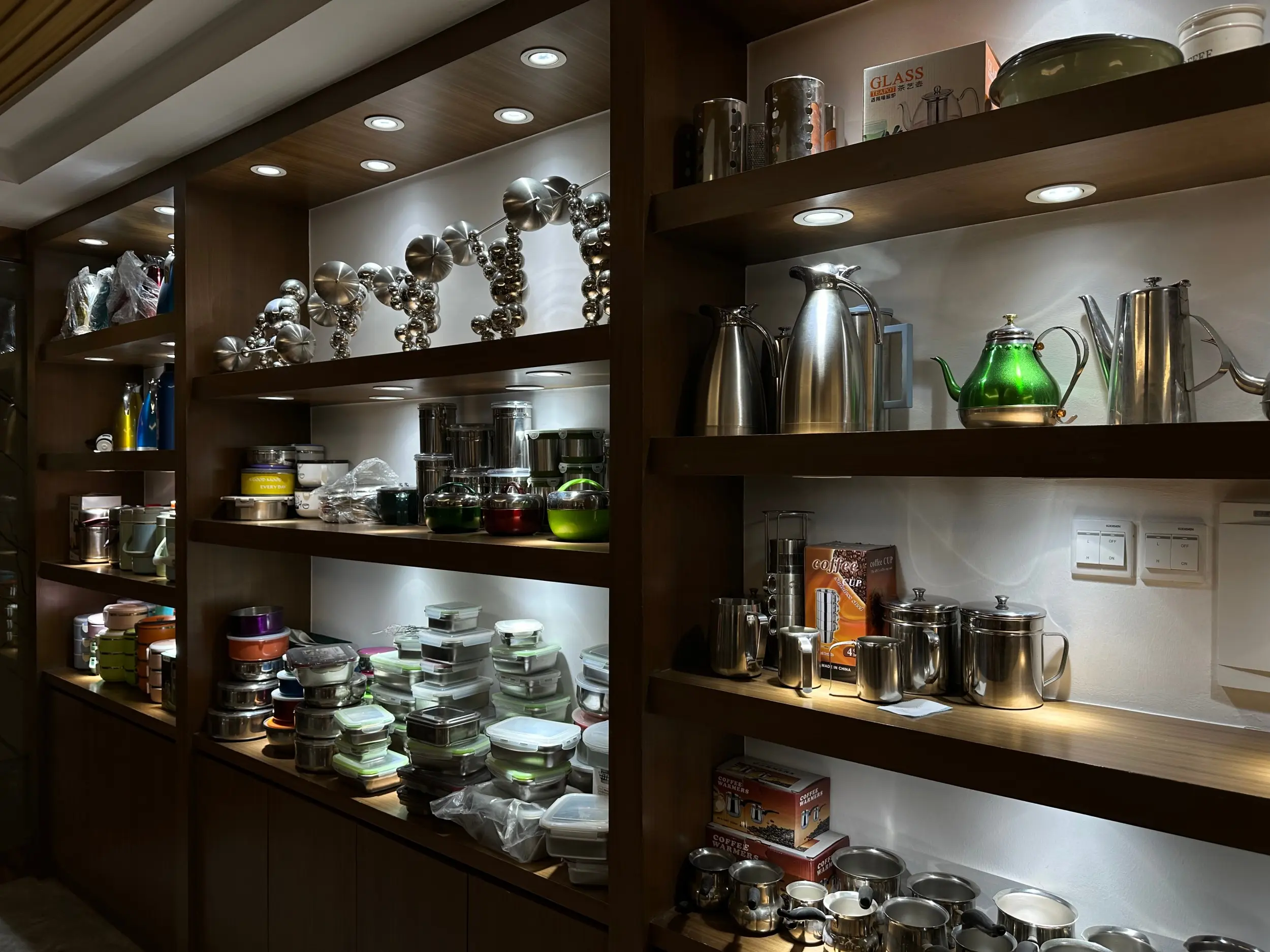
Hengguang propose des mini-autocuiseurs de différentes capacités et offre diverses configurations de produits, notamment des modèles en acier inoxydable, des fonds composites compatibles avec l'induction, plusieurs options de poignées et de couvercles, ainsi que différentes finitions de surface. Les acheteurs peuvent également discuter personnalisation du logo et des emballages de vente au détail lorsqu'ils développent des produits pour leurs propres marques ou leurs propres canaux de distribution.
Pour les entreprises qui ont besoin de plus qu'un modèle de catalogue standard, Hengguang propose Assistance pour les mini-autocuiseurs OEM/ODM d'adapter les caractéristiques techniques des produits en fonction d'exigences spécifiques. Cela permet aux importateurs, aux grossistes, aux détaillants et aux marques de distributeur de développer des produits alliant fonctionnalité, esthétique, coût et positionnement.
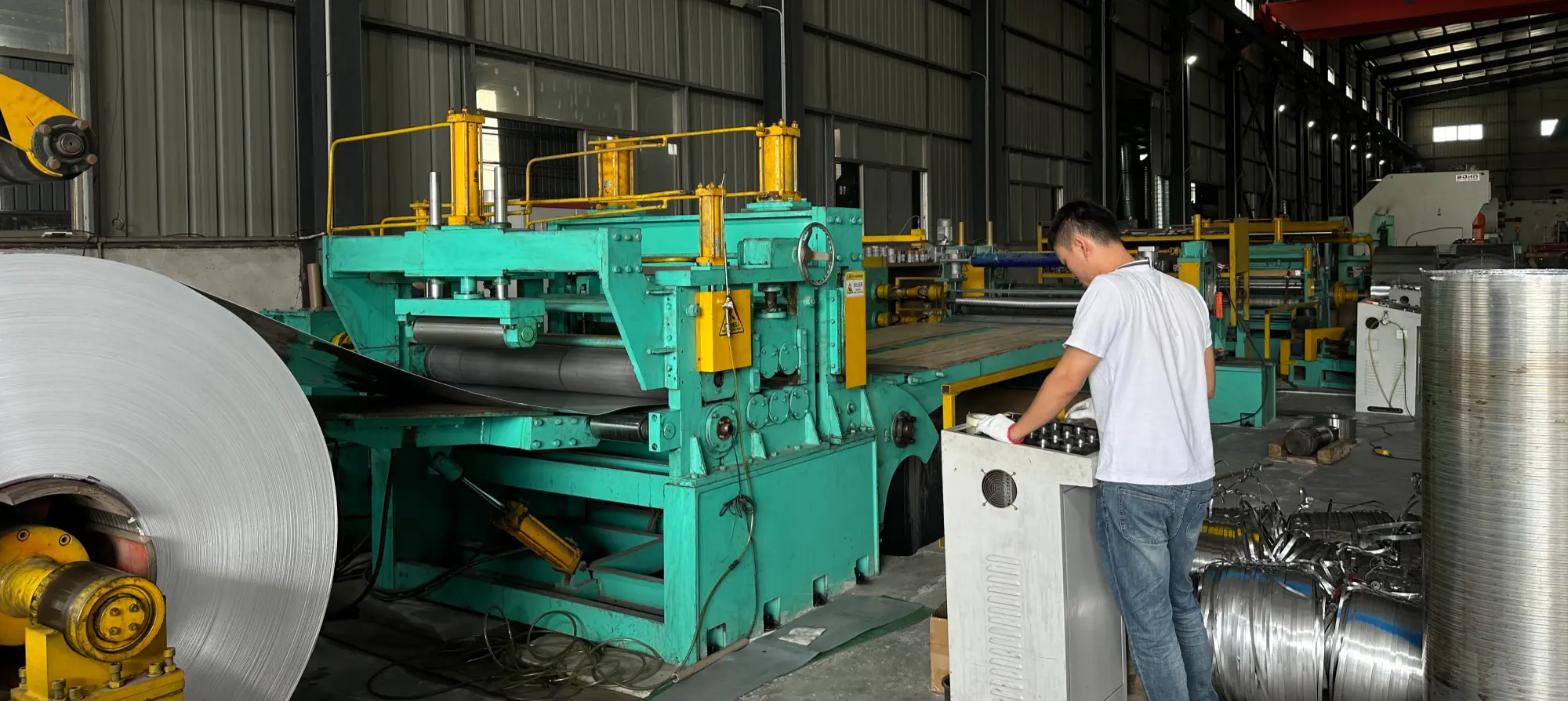
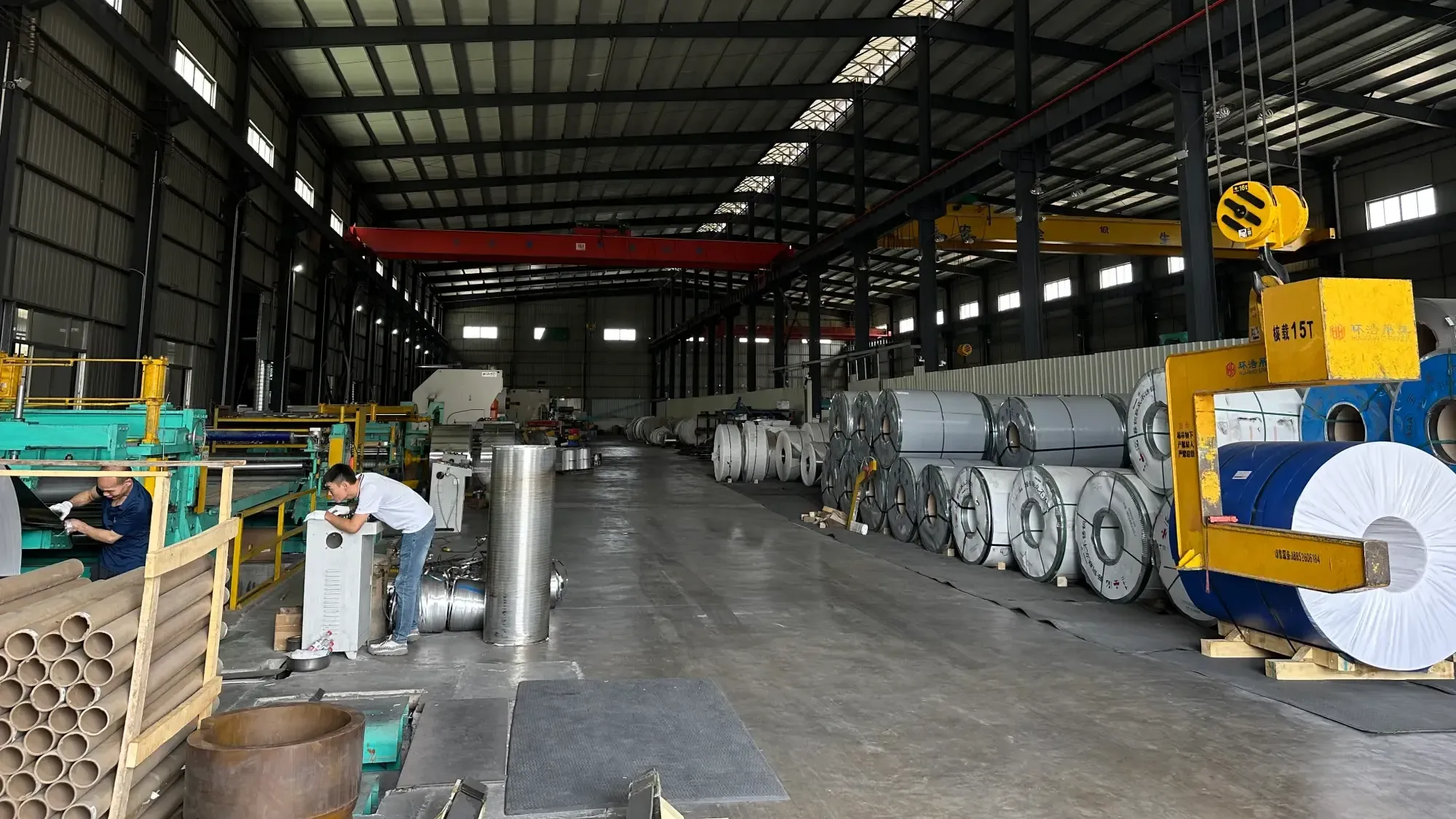
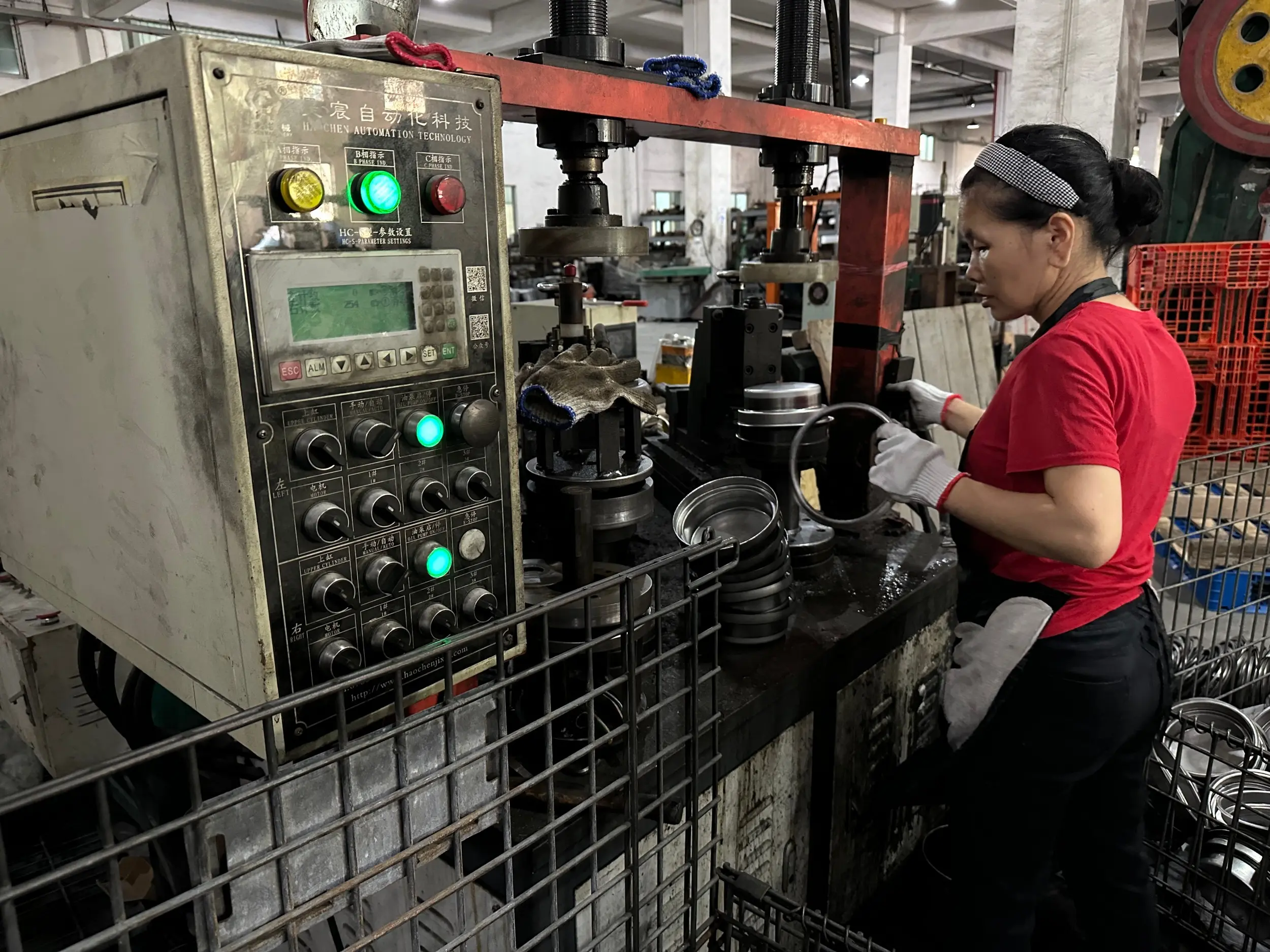
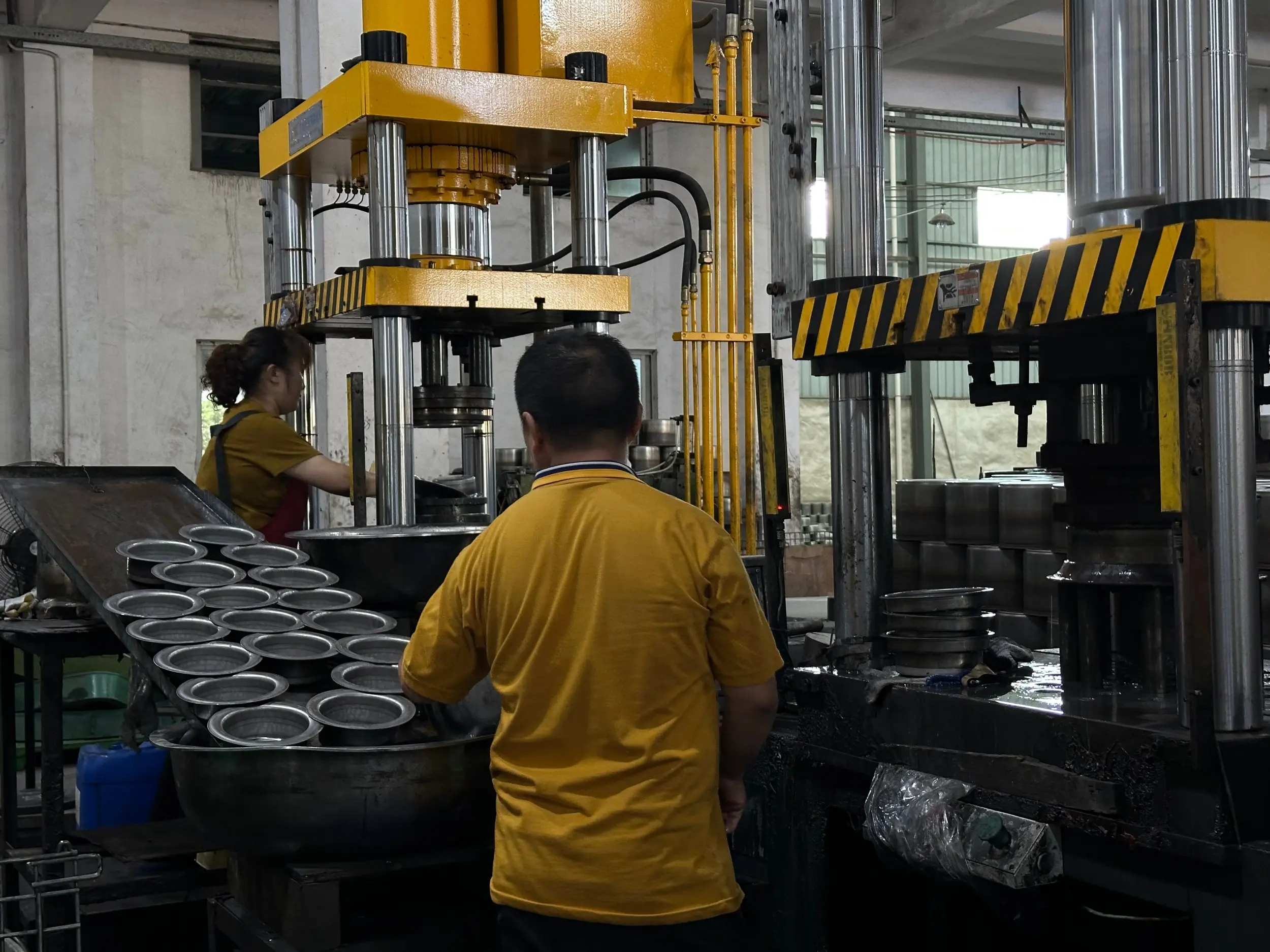
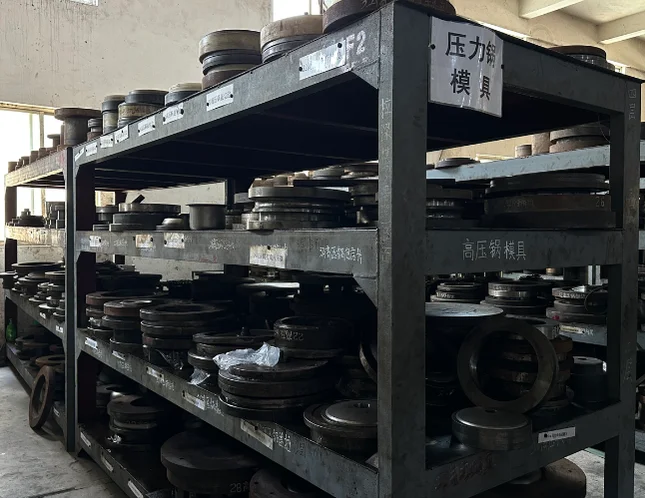
En tant que fabricant d'autocuiseurs miniatures, Hengguang accorde également une grande importance au contrôle qualité tout au long du processus de production, depuis la vérification des matériaux et des composants jusqu'au contrôle des produits finis. Associée à une expérience en matière de production en grande série et d'exportation, cette approche offre aux acheteurs B2B une solution d'approvisionnement plus complète qu'un simple devis produit.

Liste de contrôle pour l'achat d'une mini-cocotte-minute
| Domaine d'évaluation | Ce que les acheteurs doivent vérifier |
|---|---|
| Sécurité | Soupape de décharge, soupape de sécurité, verrouillage du couvercle |
| Matériau | Nuance d'acier inoxydable, épaisseur de la paroi, construction |
| Compatibilité | Gaz, électricité, vitrocéramique, induction |
| Ergonomie | Poignées, fonctionnement du couvercle, poids, prise en main |
| Durabilité | Corps, couvercle, socle, assemblage des composants |
| Adéquation au marché | Exigences du marché cible et attentes des consommateurs |
| Conformité | Documents relatifs aux essais et à la certification applicables |
| Image de marque | Logo, finition, emballage, options OEM/ODM |
Cette liste de contrôle peut être utilisée pour comparer des fournisseurs, examiner des échantillons ou préparer une fiche technique de produit avant la production en série.
Foire aux questions sur les caractéristiques des mini-autocuiseurs
Quelle est la caractéristique la plus importante d'un mini-autocuiseur ?
La sécurité est la caractéristique la plus importante. Les acheteurs devraient évaluer le système de décompression, la soupape de sécurité, le mécanisme de verrouillage du couvercle et le contrôle de la pression avant de se pencher sur les aspects esthétiques ou liés à la marque.
L'acier inoxydable est-il un meilleur choix pour une mini-cocotte-minute ?
L'acier inoxydable offre une combinaison efficace de durabilité, résistance à la corrosion et aspect esthétique, ce qui le rend adapté à de nombreuses utilisations en mini-autocuiseur. Cependant, les acheteurs devraient examiner la nuance spécifique, l’épaisseur, la conception de la base et la conception générale du produit, plutôt que de juger de la qualité du matériau uniquement à partir de la mention “ acier inoxydable ”.
Une mini-cocotte-minute doit-elle être compatible avec l'induction ?
La compatibilité avec les plaques à induction est un critère à prendre en compte lorsque le produit est destiné à une large distribution internationale. Elle permet d'élargir la compatibilité avec les plaques de cuisson et de réduire les restrictions quant aux lieux où les consommateurs peuvent utiliser la cuisinière.
Quels dispositifs de sécurité un autocuiseur doit-il comporter ?
Parmi les fonctionnalités importantes, on peut citer un système fiable de décompression, soupape de sécurité et mécanisme de verrouillage du couvercle. Les acheteurs doivent également vérifier comment ces systèmes sont testés et si le produit dispose des documents de conformité requis pour son marché cible.
Un même modèle de mini-autocuiseur peut-il convenir à tous les marchés ?
Pas forcément. Un modèle de base peut être commercialisé à l'international, mais compatibilité avec les plaques de cuisson, exigences de sécurité, matériaux, facilité d'utilisation, emballage et positionnement tarifaire pourraient nécessiter des adaptations en fonction du marché cible.
Les fabricants peuvent-ils personnaliser les fonctionnalités des mini-autocuiseurs ?
Oui. En fonction des capacités du fabricant, les acheteurs pourront peut-être personnaliser matériaux, structure de base, poignées, couvercles, finitions de surface, logos, emballage et autres caractéristiques techniques du produit grâce au développement OEM/ODM.
Conclusion
Pour les consommateurs, la priorité devrait être d'opter pour une combinaison fiable de sécurité, durabilité, compatibilité et facilité d'utilisation au quotidien. Pour les importateurs, les grossistes, les détaillants et les marques de distributeur, ces caractéristiques des produits doivent également être évaluées d’un point de vue commercial, notamment en termes de constance de la qualité, de conformité, de personnalisation et de capacité de production.
Lors de la passation de commandes en gros, il est préférable de faire appel à un fabricant d'autocuiseurs miniatures qui permettent d'expliquer clairement les spécifications, de fournir des informations sur les tests et de prendre en charge la personnalisation peuvent réduire encore davantage les risques liés à l'approvisionnement.