



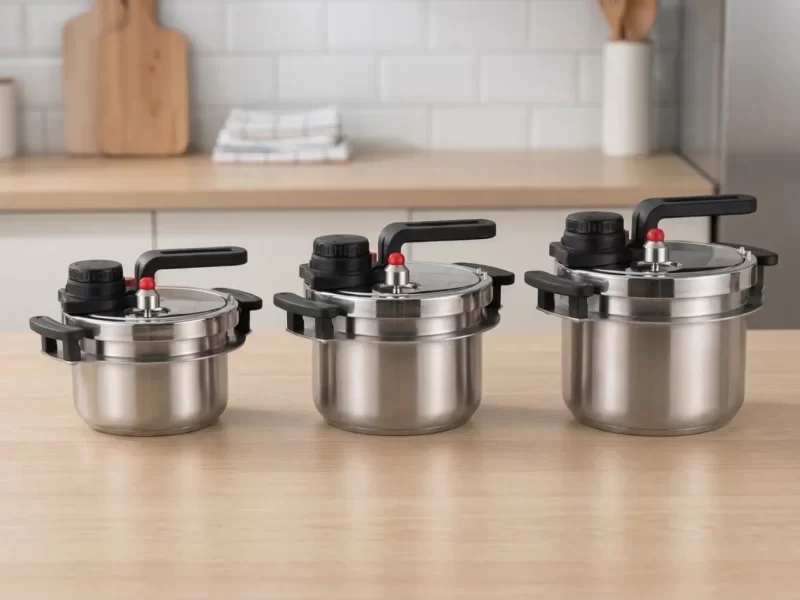
Depuis quelque temps, les détaillants et les marques d'ustensiles de cuisine se posent la question suivante : Quelle capacité correspond aux clients auxquels vous souhaitez vendre vos produits ?
La taille du foyer, le volume des préparations culinaires, l'espace disponible dans la cuisine, le prix de vente et les frais logistiques peuvent tous avoir une incidence sur les performances du produit. Un modèle de 2 litres peut être idéal pour les célibataires et les couples, tandis qu'un modèle de 4 litres peut s'avérer plus adapté aux familles.
Comprendre ces différences aide les marques à mettre en place une stratégie plus ciblée gamme de mini-autocuiseurs au lieu de proposer des produits qui ne correspondent pas à leur marché cible.
Que signifie réellement la « capacité » d'un autocuiseur ?
La capacité correspond au volume nominal de l'autocuiseur, mais elle ne correspond pas nécessairement à la quantité d'aliments pouvant être cuite en toute sécurité en une seule fois. Les autocuiseurs nécessitent généralement un espace suffisant pour permettre la montée en pression, et certains aliments peuvent gonfler pendant la cuisson.
Pour les acheteurs B2B, la capacité doit donc être prise en compte au même titre que les dimensions du produit, les applications culinaires et les besoins de la clientèle cible.
Les modèles 2L, 3L et 4L sont conçus pour différents types d'utilisateurs
Ces trois formats s'adressent généralement à des catégories de consommateurs différentes.
A Autocuiseur de 2 litres convient particulièrement aux célibataires, aux étudiants, aux jeunes actifs et aux couples qui préparent des portions relativement petites.
A Autocuiseur de 3 litres offre une solution plus équilibrée pour les couples et les petites familles. Elle offre un espace de cuisson supplémentaire sans être aussi encombrante que les ustensiles de cuisine plus volumineux.
A Autocuiseur de 4 litres convient davantage aux familles et aux consommateurs qui préparent régulièrement de grandes portions ou des plats en grande quantité.
La capacité utile est plus importante que le chiffre
Deux autocuiseurs de même capacité nominale peuvent tout de même présenter des dimensions intérieures différentes et offrir des expériences de cuisson différentes.
Les marques devraient tenir compte des éléments suivants :
- Volume de cuisson réel
- Diamètre intérieur
- Hauteur du produit
- Exigences en matière de préparation des aliments
- Structure de la poignée et du couvercle
Lorsqu'on s'approvisionne auprès d'un fabricant d'autocuiseurs miniatures, les acheteurs devraient examiner l'ensemble des caractéristiques techniques du produit plutôt que de se contenter de comparer les seules capacités.
Dans quels cas une mini-cocotte-minute de 2 litres est-elle le meilleur choix ?
Un modèle de 2 litres est avant tout une solution compacte pour la cuisine. Son principal atout n'est pas sa capacité, mais sa praticité.
Ménages composés d'une seule personne et de couples
Une cocotte-minute de 2 litres convient particulièrement bien aux personnes qui cuisinent pour une ou deux personnes.
Parmi les utilisateurs types, on peut citer :
- Étudiants
- Jeunes professionnels
- Célibataires
- Couples
- Les consommateurs âgés
Ces clients n'ont généralement pas besoin d'un grand récipient de cuisson pour leurs repas quotidiens. Un modèle plus petit peut offrir une capacité suffisante tout en réduisant l'espace de rangement superflu et le volume des préparations culinaires.
Petites cuisines et espace de rangement limité
La taille physique du produit peut être tout aussi importante que sa capacité.
Les consommateurs qui vivent dans des studios, des appartements en location, des résidences universitaires ou d'autres espaces réduits disposent souvent d'un espace de rangement et de plans de travail limités.
Un modèle 2L est plus facile à :
- À conserver dans de petites armoires
- Passer d'une cuisine à l'autre
- Transport lors d'un déménagement
- À utiliser sur des plaques de cuisson de petite taille
Le format 2 L est donc particulièrement adapté aux détaillants qui ciblent une clientèle urbaine et soucieuse de l'espace.
Que peuvent cuisiner les consommateurs dans un autocuiseur de 2 litres ?
Malgré sa taille réduite, un modèle de 2 litres permet de réaliser de nombreuses recettes du quotidien, notamment :
- Riz
- Soupe
- Haricots
- Petites portions de viande
- Ragoûts
Tout est une question de taille des portions. Pour les repas individuels ou à deux, une capacité réduite peut suffire, sans que les consommateurs aient besoin d'utiliser un appareil plus grand.
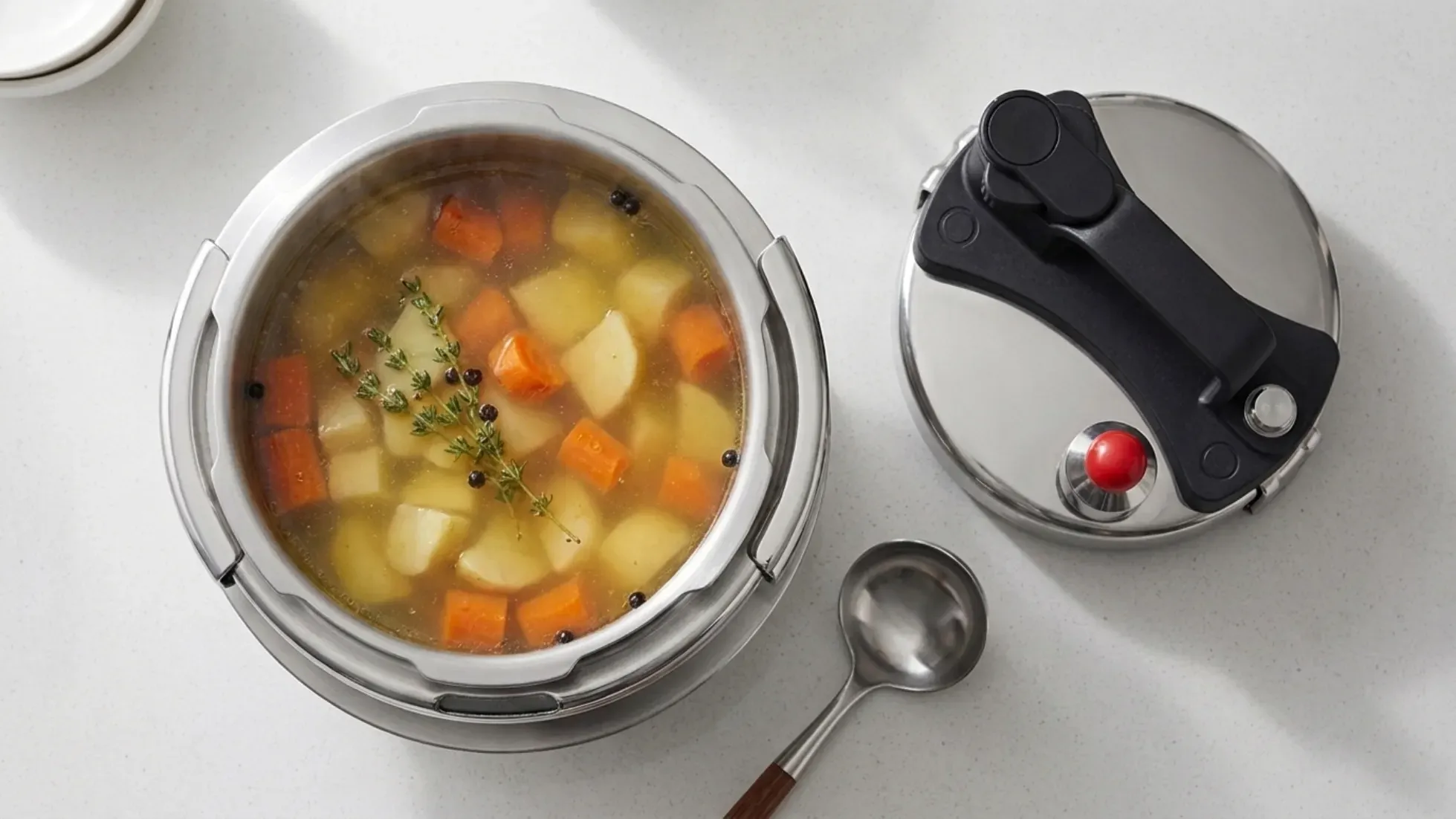
Dans quels cas une mini-cocotte-minute de 3 L est-elle le meilleur choix ?
Un modèle de 3 litres se situe à mi-chemin entre les ustensiles de cuisine individuels compacts et les ustensiles de cuisine familiaux plus volumineux. Cela en fait l'une des options de capacité les plus polyvalentes pour de nombreuses gammes de produits.
Couples et petites familles
Une cocotte-minute de 3 litres peut convenir pour :
- Couples
- Foyers de deux à trois personnes
- Les petites familles
- Les consommateurs qui cuisinent souvent
Il offre plus d'espace qu'un modèle de 2 L tout en restant relativement compact.
Pour les commerçants, cela fait du format 3L une option intéressante lorsque la clientèle cible ne se limite pas aux ménages d'une seule personne.
Lorsque les consommateurs ont besoin de plus de souplesse
Le principal atout du 3L réside dans son équilibre.
Par rapport au modèle 2L, il offre :
- Plus d'espace de cuisson
- Des portions plus copieuses
- Une plus grande flexibilité dans les recettes
Par rapport au 4L, il offre généralement :
- Un rangement plus facile
- Encombrement physique réduit
- Mieux adapté aux cuisines compactes
Pour les consommateurs qui ne souhaitent pas opter pour un autocuiseur extrêmement petit ou relativement grand, un modèle de 3 litres peut constituer un compromis pratique.
Pourquoi le format 3 L peut constituer un produit phare incontournable
Pour une marque qui s'aventure sur un nouveau marché, le format 3L peut être considéré comme une référence phare potentielle, car il permet de s'adresser à plusieurs catégories de consommateurs sans nécessiter une gamme de produits très étendue. D'un point de vue psychologique, les consommateurs préfèrent souvent une option “ intermédiaire ” qui ne semble ni trop petite ni inutilement grande, ce qui fait du format 3L un choix plus simple et moins risqué pour les nouveaux acheteurs.
Cependant, les marques ne doivent pas partir du principe que le format 3L se vendra automatiquement le mieux. Le choix approprié dépend toujours du profil de la clientèle cible, de la taille des portions prévues et du positionnement du produit.
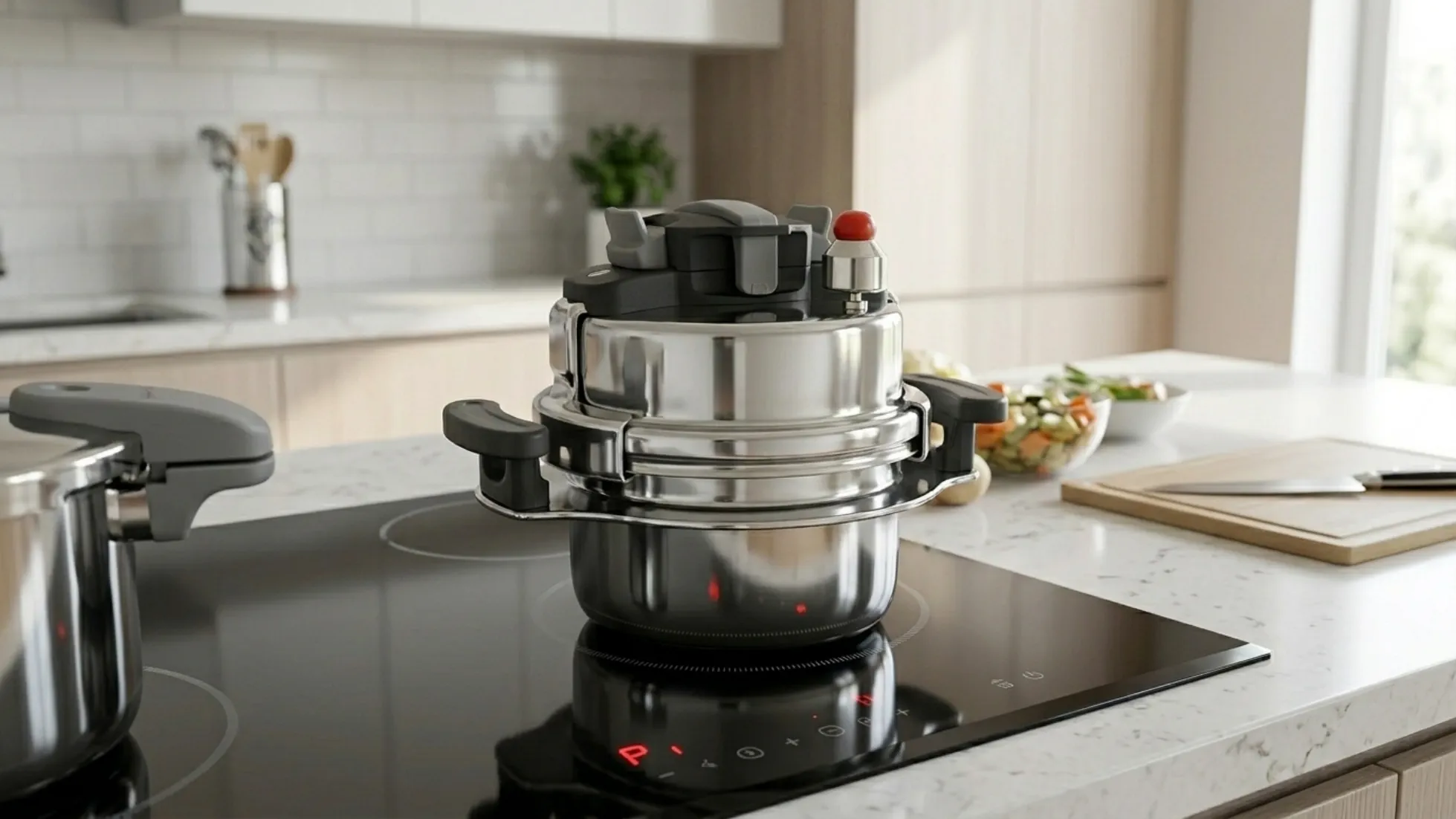
Dans quels cas une mini-cocotte-minute de 4 litres est-elle le meilleur choix ?
Une cocotte-minute de 4 litres se rapproche davantage d'une cuisine familiale tout en restant plus compacte que bon nombre de cocottes-minute traditionnelles de grande capacité.
Consommateurs axés sur la famille
Un modèle 4L peut convenir pour :
- Foyers de trois à cinq personnes
- Familles
- Ceux qui cuisinent souvent à la maison
- Les consommateurs qui préparent des repas plus copieux
Pour ces utilisateurs, la capacité supplémentaire peut s'avérer plus intéressante que les avantages en termes de gain de place offerts par un modèle de 2 litres.
Portions plus copieuses et cuisine en grande quantité
Les modèles 4L sont pratiques lorsque les consommateurs préparent régulièrement de grandes quantités de nourriture.
Parmi les applications courantes, on peut citer :
- Repas en famille
- Préparation des repas
- Des portions de viande plus copieuses
- Soupes et ragoûts
Par exemple, la préparation d’un ragoût pour toute la famille dans un autocuiseur de 2 litres peut nécessiter plusieurs cycles de cuisson. Un modèle de 4 litres permet de pallier cette contrainte.
Quand la motorisation 4L s'avère plus intéressante d'un point de vue commercial
Les commerçants qui ciblent une clientèle familiale pourraient trouver plus facile de mettre en avant la capacité pratique de cuisson du modèle 4L.
Ce produit peut être commercialisé dans les régions suivantes :
- Repas en famille
- Des portions plus copieuses
- La cuisine de tous les jours
- Préparation par lots
En contrepartie, ce produit nécessite davantage d'espace de stockage et peut entraîner des coûts de fabrication, d'emballage et d'expédition plus élevés.

2 L, 3 L ou 4 L : quelle contenance les marques devraient-elles proposer ?
Il n'y a pas de gagnant universel. Chaque capacité s'adresse à un segment de clientèle différent.
| Capacité | Meilleur pour | Positionnement | Principal avantage |
|---|---|---|---|
| 2 L | Célibataires et couples | Compact | Peu encombrant |
| 3 L | Couples et petites familles | Polyvalent | Capacité équilibrée |
| 4 L | Familles | Axé sur la famille | Volume de cuisson plus important |
Optez pour 2L lorsque vos clients cibles sont…
Un modèle 2L est plus adapté lorsque vos clients sont principalement :
- Célibataires
- Étudiants
- Jeunes professionnels
- Résidents d'immeubles
- Cuisiniers spécialisés dans les petites portions
Il est particulièrement adapté lorsque la compacité est un critère d'achat déterminant.
Optez pour 3L lorsque vos clients cibles sont…
Envisagez la solution 3L lorsque votre clientèle comprend :
- Couples
- Les petites familles
- Les cuisiniers amateurs
- Les consommateurs à la recherche de polyvalence
Pour les marques qui souhaitent proposer un produit capable de s'adapter à plusieurs types de foyers, le format 3 L peut constituer un point de départ pratique.
Optez pour 4L lorsque vos clients cibles sont…
Un modèle 4L est plus adapté lorsque l'on cible :
- Familles
- Ceux qui cuisinent souvent à la maison
- Les adeptes de la cuisine en grande quantité
- Les consommateurs privilégient la capacité de cuisson
Ce format plus grand offre davantage de flexibilité aux consommateurs, mais nécessite davantage d'espace de rangement.
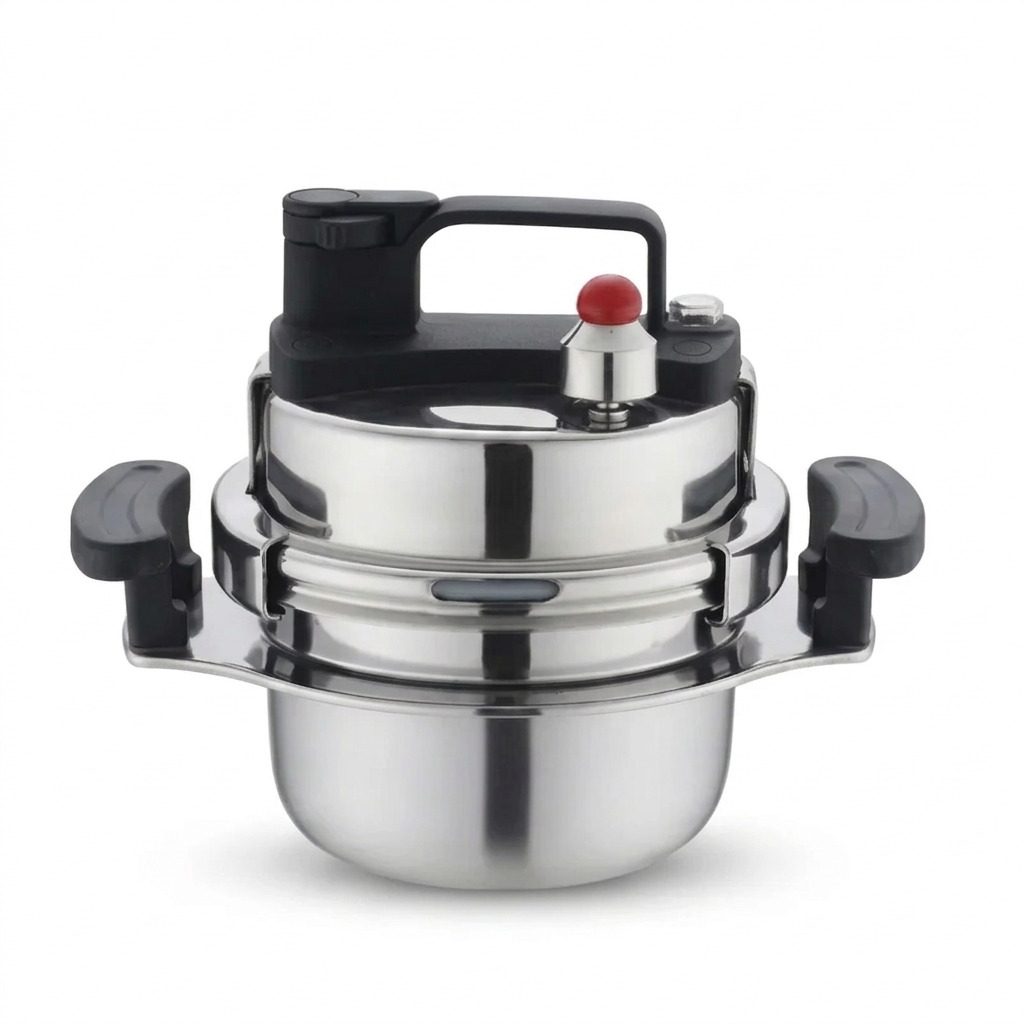
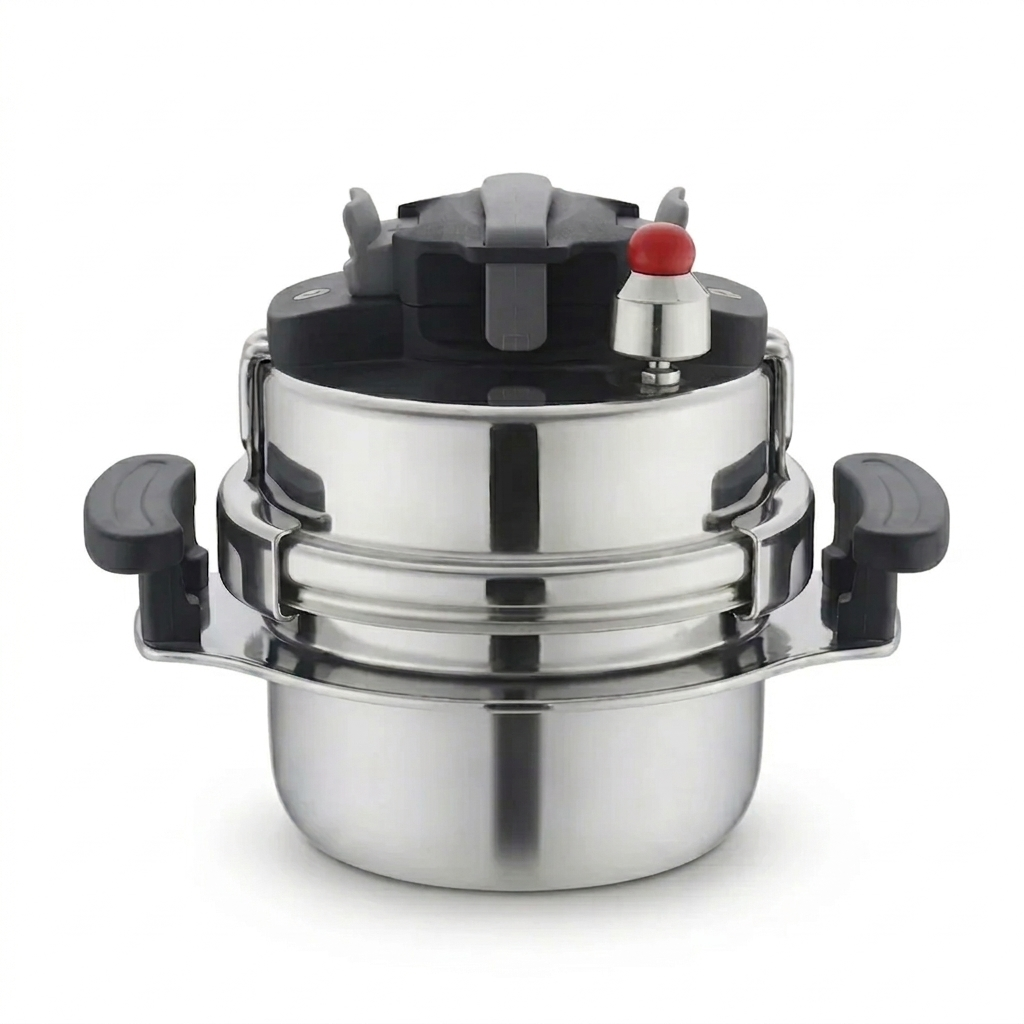
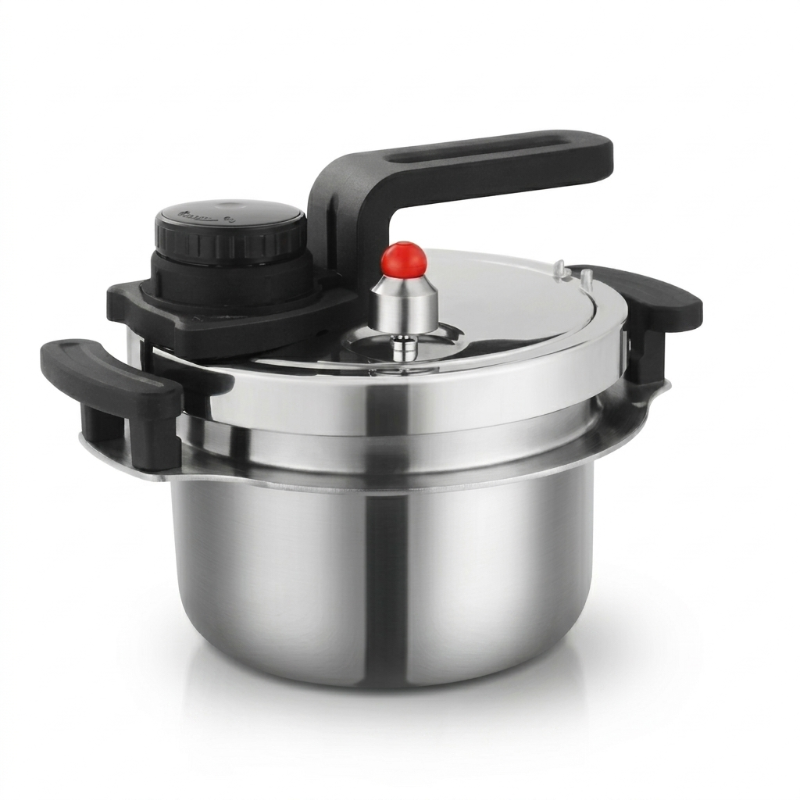
Les marques devraient-elles proposer un seul format ou plusieurs tailles ?
Le choix de la capacité relève également d'une décision relative à la gamme de produits. Une marque n'est pas obligée de s'en tenir à une seule taille pour toujours.
Commencez par une compétence fondamentale
Pour les nouvelles marques et les petits détaillants, le lancement d'une seule référence phare peut réduire le risque lié aux stocks initiaux.
Au lieu de commander simultanément des formats de 2 L, 3 L et 4 L, une entreprise peut choisir la contenance qui correspond le mieux à sa clientèle principale et tester la réaction du marché.
Cette approche peut permettre de maîtriser :
- Inventaire initial
- Coûts de développement des produits
- Exigences relatives à l'entrepôt
- La complexité du marketing
Concevoir une gamme de produits de 2 L, 3 L et 4 L
Les marques bien établies et les grands distributeurs peuvent recourir à différentes gammes pour segmenter leur offre de produits.
Par exemple :
2L → Utilisateurs individuels
3L → Petits foyers
4L → Familles
Cela permet de créer une gamme de produits claire sans avoir à recourir à des concepts de produits totalement différents.
Cela permet également aux consommateurs de faire leur choix en fonction des besoins réels de leur foyer, plutôt que d'imposer à tout le monde une seule et même capacité.
Utiliser la capacité comme stratégie de segmentation des produits
La capacité peut s'intégrer à l'architecture produit d'une marque.
Au lieu de se contenter de proposer trois produits d'apparence identique, les marques peuvent attribuer à chaque taille une fonction bien précise :
- 2L : Compact
- 3L : Tous les jours
- 4L : Famille
Cela facilite le choix des produits pour les consommateurs et offre aux détaillants des opportunités de mise en avant plus claires.
Quels autres éléments les marques doivent-elles prendre en compte avant de choisir une capacité ?
La capacité ne doit pas être évaluée isolément. Plusieurs facteurs commerciaux peuvent faire varier le modèle le plus intéressant.
Dimensions du produit
La capacité nominale ne dit pas tout.
Les marques devraient comparer :
- Diamètre
- Hauteur
- Longueur de la poignée
- Structure du couvercle
- Conditions de stockage
Un modèle compact de 3 litres peut parfois s'avérer plus pratique pour les consommateurs qu'un modèle de 2 litres mal conçu.
Emballage et logistique
Pour les importateurs et les vendeurs en ligne, la taille des produits a également une incidence sur la logistique.
Un four plus grand peut augmenter :
- Dimensions du carton
- Volume d'expédition
- Exigences relatives à l'entrepôt
- Coûts de stock
- Frais liés à la gestion des commandes en ligne
Cela vaut tout particulièrement pour les entreprises qui vendent via des plateformes où les frais de stockage et de traitement des commandes dépendent des dimensions des produits.
Un produit qui se vend bien mais qui engendre des coûts logistiques excessifs peut ne pas être aussi rentable qu'il n'y paraît à première vue.
Comment un fabricant de mini-autocuiseurs peut répondre à différents besoins en matière de capacité
Une fois qu'une marque a déterminé sa capacité cible, le défi suivant consiste à transformer cette spécification en un produit commercialement viable.
En tant que professionnel expérimenté fabricant d'autocuiseurs miniatures, nous pouvons répondre à différents besoins en termes de capacité tout en adaptant le produit au marché cible.
Selon le projet, la personnalisation peut inclure :
- Capacité du produit
- Structure du produit
- Acier inoxydable
- Conception de la poignée
- Conception du couvercle
- Compatibilité avec la cuisson à induction
- Finition de la surface
- Identité visuelle
- Emballage de vente au détail
Pour les marques qui développent des produits différenciés, collaborer avec un [fabricant d'autocuiseurs sur mesure] permet également d'optimiser les dimensions et les caractéristiques du produit, plutôt que de se contenter de sélectionner un modèle existant dans le catalogue.
Cela s'avère particulièrement utile lorsqu'un commerçant souhaite trouver un juste équilibre entre la capacité, l'esthétique, le prix de vente et l'efficacité de la livraison.
Pourquoi faire appel à Hengguang pour le développement d'une mini-cocotte-minute ?
Hengguang fournit Solutions OEM et ODM pour mini-autocuiseurs pour les marques, les importateurs et les distributeurs qui ciblent différents segments de consommateurs. Sa gamme de produits comprend des formats compacts tels que 1,5 L, 2 L, 2,5 L et 3 L, offrant ainsi aux clients une grande flexibilité pour développer leur gamme de produits.
En tant que professionnel expérimenté Fournisseur en gros d'autocuiseurs miniatures, Hengguang propose des solutions sur mesure en matière de structure des produits, de matériaux, de poignées, de couvercles, de finitions de surface, d'identification de marque et d'emballage. Cela permet aux marques de développer des produits adaptés à leur clientèle cible plutôt que de se contenter d'acheter un produit standard.
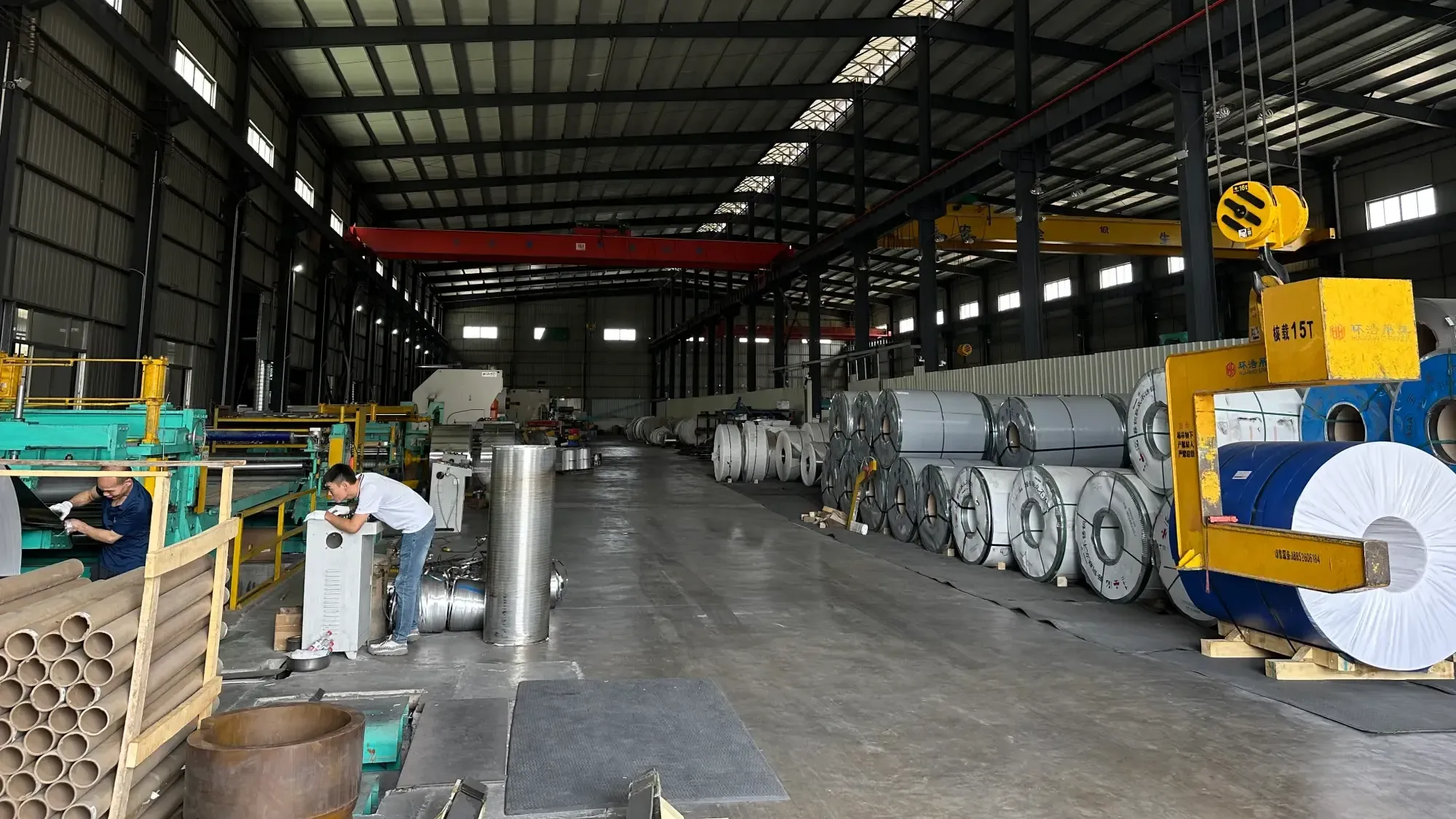
Grâce à son savoir-faire en matière de fabrication d'acier inoxydable, à son contrôle qualité tout au long du processus de production et à son expérience sur les marchés internationaux, Hengguang est en mesure d'accompagner les entreprises depuis la sélection et la personnalisation des produits jusqu'à la production en série et à l'exportation.
Conclusion
Le choix entre les formats 2 L, 3 L et 4 L doit être déterminé en fonction du client plutôt qu'en fonction du produit seul.
2 L convient particulièrement à une utilisation compacte et individuelle. 3 L offre un bon compromis entre capacité et praticité, tout en 4 L convient mieux aux familles et à la préparation de repas pour un grand nombre de personnes.
Pour les marques et les détaillants, la stratégie la plus efficace consiste à adapter la capacité à taille du foyer, volume de préparation des repas, espace disponible dans la cuisine, prix de vente au détail et coûts logistiques. Une fois ces facteurs clairement définis, un fabricant expérimenté peut aider à transformer la capacité souhaitée en un produit commercialement viable pour le marché cible.