



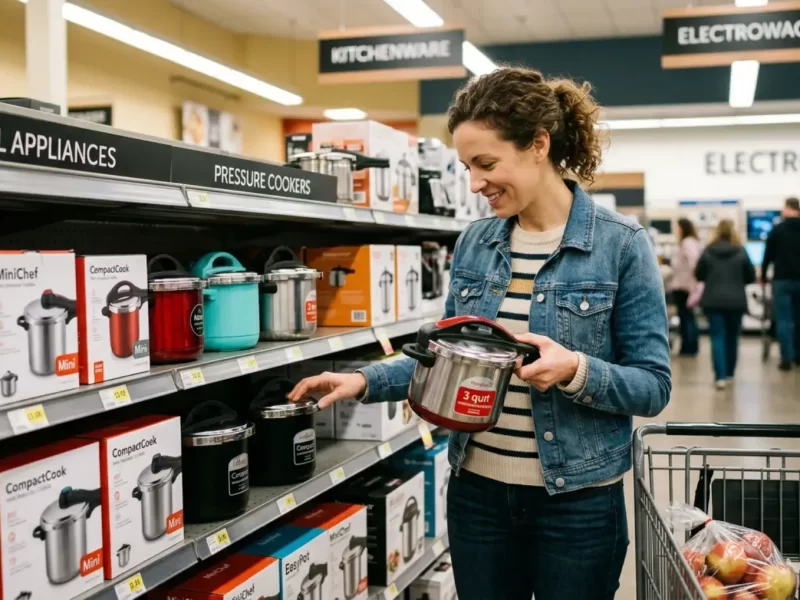
For importers, wholesalers, retailers, and private-label brands, choosing a mini pressure cooker requires more than comparing capacity, appearance, and price. The product must deliver the right combination of safety, material quality, cooktop compatibility, durability, and ease of use.
In this guide, Hengguang, a professional mini pressure cooker manufacturer, explains the essential features buyers should look at, what each specification means in practical use, and which technical details should be confirmed before purchasing or placing a bulk order.
What Features Matter Most in a Mini Pressure Cooker?
Safety Features
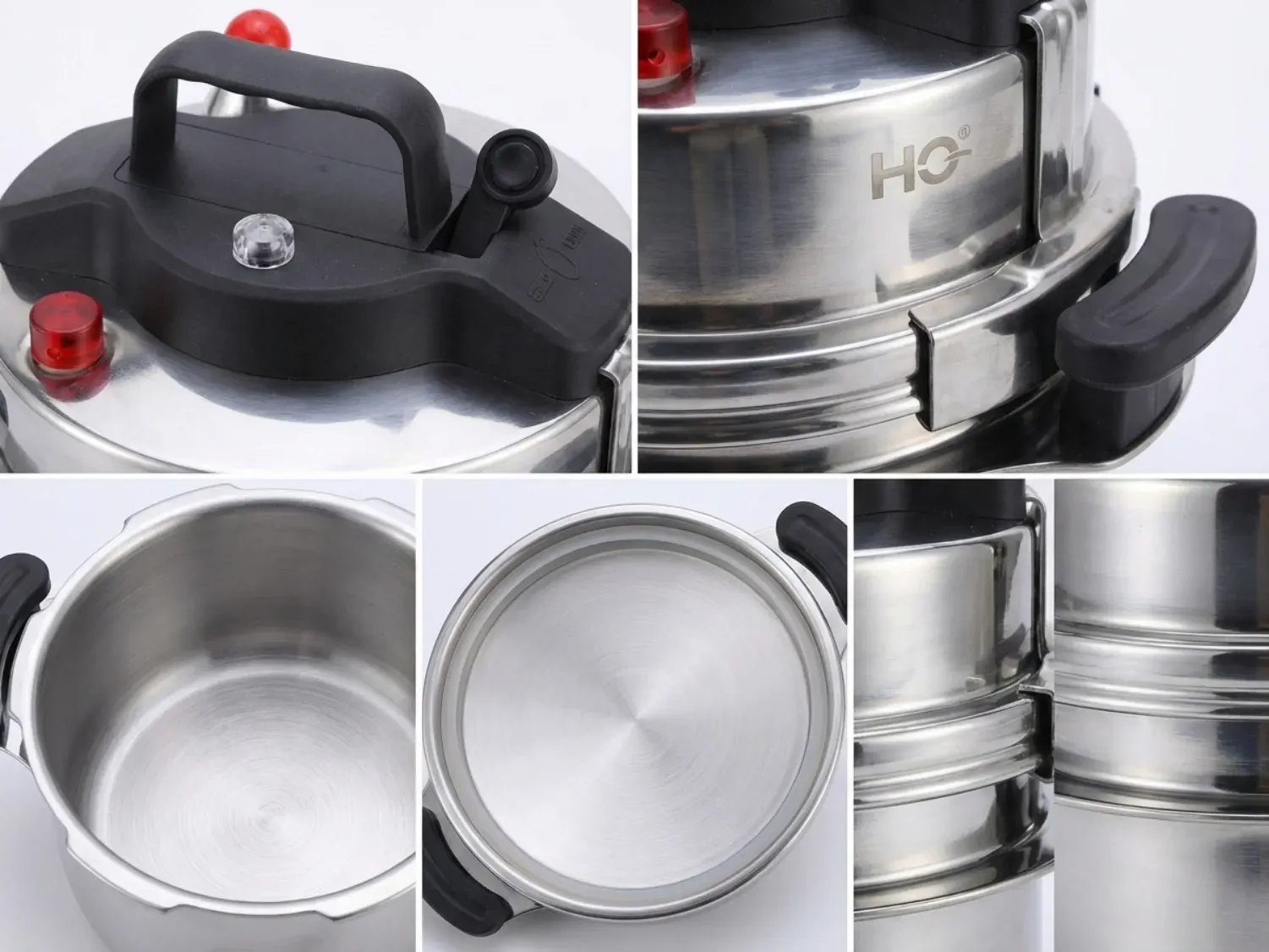
Safety should be the first specification buyers evaluate because a pressure cooker operates under pressure. A suitable mini pressure cooker should incorporate a reliable pressure release system, safety valve, and lid locking mechanism.
The pressure release system should allow pressure to be controlled and released appropriately. A safety valve provides an additional protection mechanism if pressure rises beyond the intended operating range. Meanwhile, the lid locking mechanism should prevent the cooker from being opened improperly while pressure remains inside.
Material and Construction
The material directly affects durability, corrosion resistance, appearance, and product positioning.
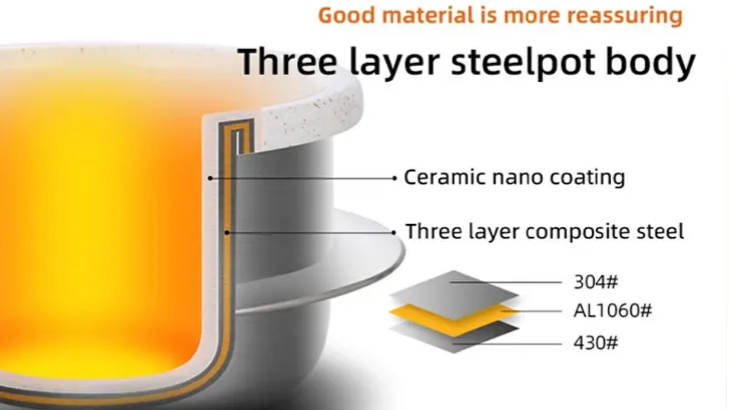
Stainless steel is commonly used for mini pressure cookers because it offers a durable construction and is suitable for repeated kitchen use. Buyers should confirm the specific stainless steel grade, rather than relying only on the general term “stainless steel.”
Other construction details also matter:
- Body thickness: affects structural strength and durability.
- Lid construction: influences sealing and pressure performance.
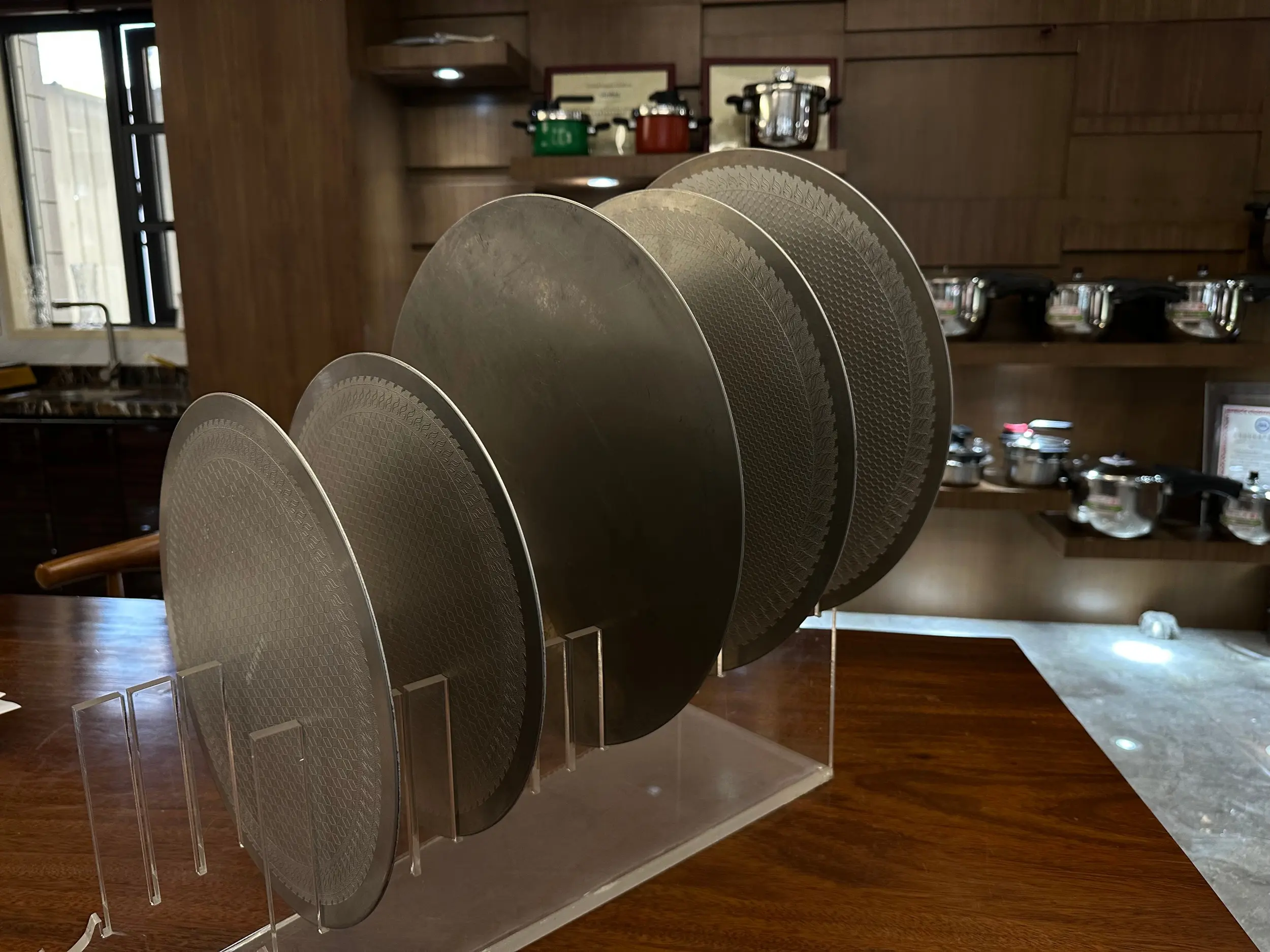
- Base construction: affects heat distribution and compatibility.
- Surface finish: influences appearance, cleaning, and perceived quality.
For premium products, a more refined finish and carefully engineered construction can support higher retail positioning. For price-sensitive products, buyers may instead prioritize reliable construction while avoiding unnecessary cosmetic upgrades.
Heat Source Compatibility
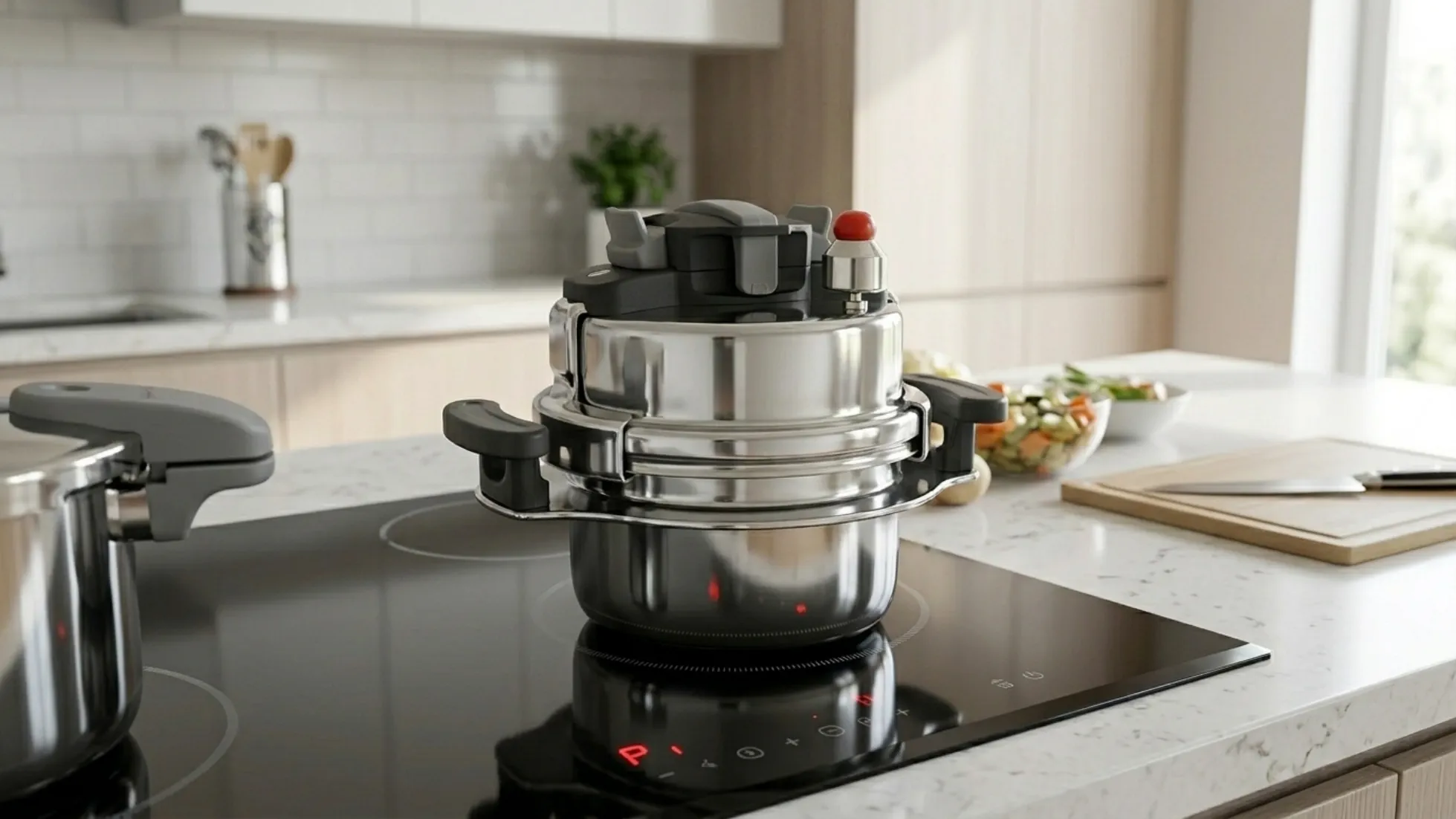
A mini pressure cooker may be used with gas, electric, ceramic, or induction cooktops, depending on the market.
Induction compatibility deserves particular attention when developing products for international distribution. A cooker designed only for conventional gas cooking may significantly limit its addressable market.
Buyers should therefore confirm:
- Compatible heat sources
- Base construction
- Induction compatibility
- Heat-transfer performance
- Whether the same model supports multiple cooking methods
A composite or multi-layer base can be considered when broader cooktop compatibility is required.
Handle and User Comfort
Compact cookware should not sacrifice usability simply because it has a smaller body.
The handle should provide a stable grip and sufficient clearance from hot surfaces. Buyers should also evaluate the handle material, attachment method, heat resistance, and overall balance of the cooker.
The lid is equally important. It should be easy to operate while maintaining a secure locking and sealing system.
Which Mini Pressure Cooker Features Should Buyers Prioritize?
Different business models require different feature priorities.
For Safety-Critical Markets
Prioritize:
- Safety system
- Pressure control
- Lid locking
- Material and structural strength
- Applicable testing and compliance
Safety-related components should not be compromised to achieve a lower unit price.
For Premium Kitchenware Markets
Premium products can place greater emphasis on:
- Stainless steel material quality
- Surface finish
- Refined design
- Cooktop compatibility
- Ergonomic handles
- Safety performance
The objective is not simply to add more features. Instead, the product should create a consistent premium experience from construction to packaging.
For Price-Sensitive Markets
A cost-effective configuration should focus on:
- Core safety mechanisms
- Durable construction
- Essential cooktop compatibility
- Practical handles and lid design
- Efficient manufacturing
The manufacturer should help identify which specifications genuinely affect performance and which can be simplified without reducing product reliability.
For E-Commerce and Private-Label Brands
Online products need to communicate their value quickly.
In addition to technical performance, buyers should consider:
- Product appearance
- Visible functional features
- Ease of use
- Differentiating design elements
- Retail packaging
- Product photography and content
For private-label brands, features such as customized handles, finishes, logos, and packaging can help create differentiation without requiring a completely new cooker structure.
What Specifications Should Buyers Ask a Manufacturer About?
Material Specifications
Do not stop at “food-grade stainless steel.” Ask the manufacturer for the specific material grade, body thickness, lid construction, and base structure.
Buyers should also confirm whether material specifications remain consistent across production batches.
Safety and Testing
Manufacturers should be able to explain their testing procedures.
Ask about:
- Pressure testing
- Safety valve testing
- Lid locking testing
- Sealing performance
- Applicable certification or compliance documentation
This gives buyers a much clearer basis for evaluating suppliers than simply comparing product photos and quotations.
Compatibility and Product Configuration
Confirm whether the model supports gas, electric, ceramic, induction, or multiple heat sources.
Other configuration questions should include handle design, lid structure, capacity options, base construction, and available surface finishes.
These details can determine whether a product fits the intended market before production begins.
Customization Capability
If the standard model does not fully match your target market, ask whether the manufacturer can modify the product.
Potential customization areas include:
- Product structure
- Stainless steel material
- Base construction
- Handles
- Lid configuration
- Surface finish
- Logo
- Retail packaging
Working with a custom pressure cooker manufacturer can be particularly useful when a brand needs market-specific specifications rather than an off-the-shelf product.
How Hengguang Helps Brands Build Mini Pressure Cookers
Hengguang offers multiple mini pressure cooker capacities and supports different product configurations, including stainless steel construction, induction-compatible composite bases, handle and lid options, and different surface finishes. Buyers can also discuss logo and retail packaging customization when developing products for their own brands or distribution channels.
For businesses that need more than a standard catalog model, Hengguang provides OEM/ODM mini pressure cooker support to adjust product specifications according to specific requirements. This allows importers, wholesalers, retailers, and private-label brands to develop products that balance functionality, appearance, cost, and positioning.
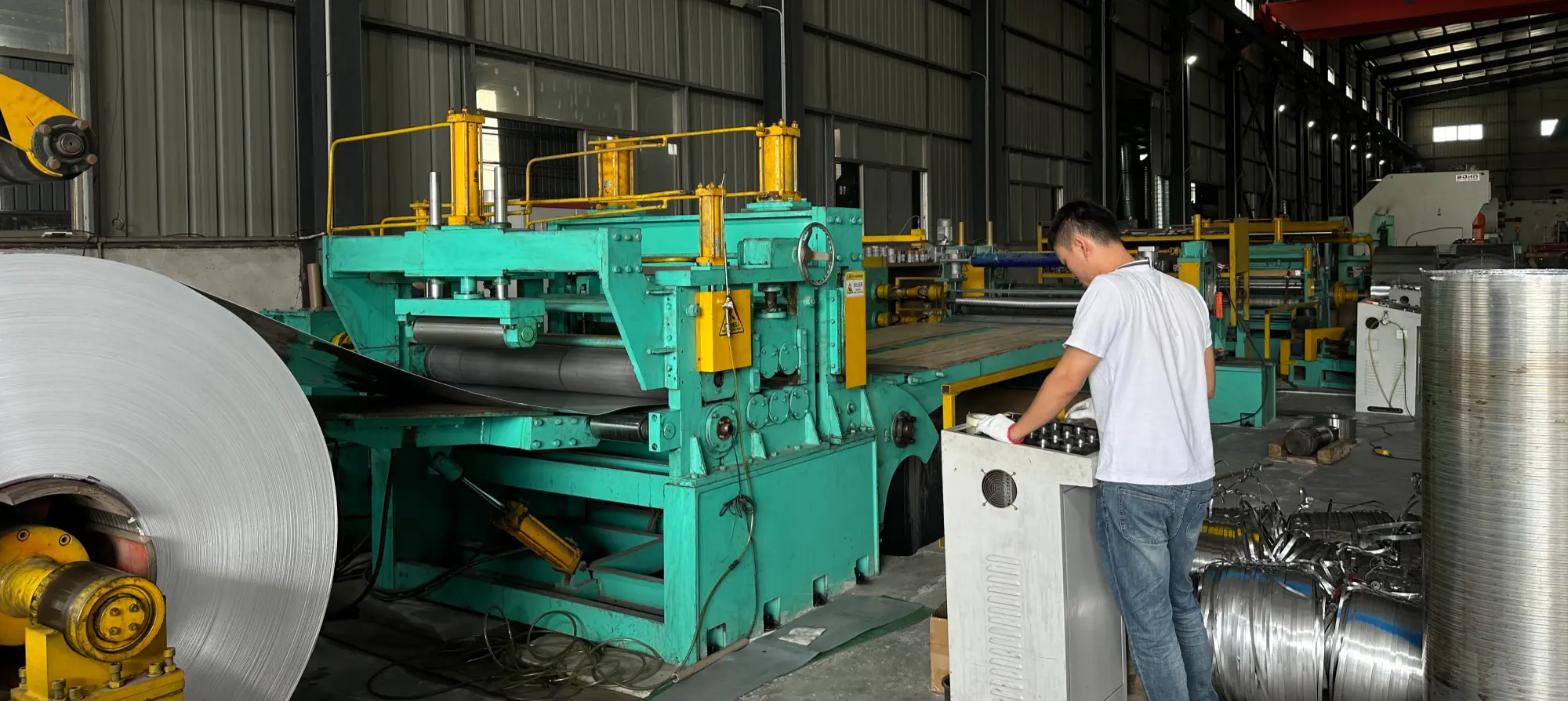
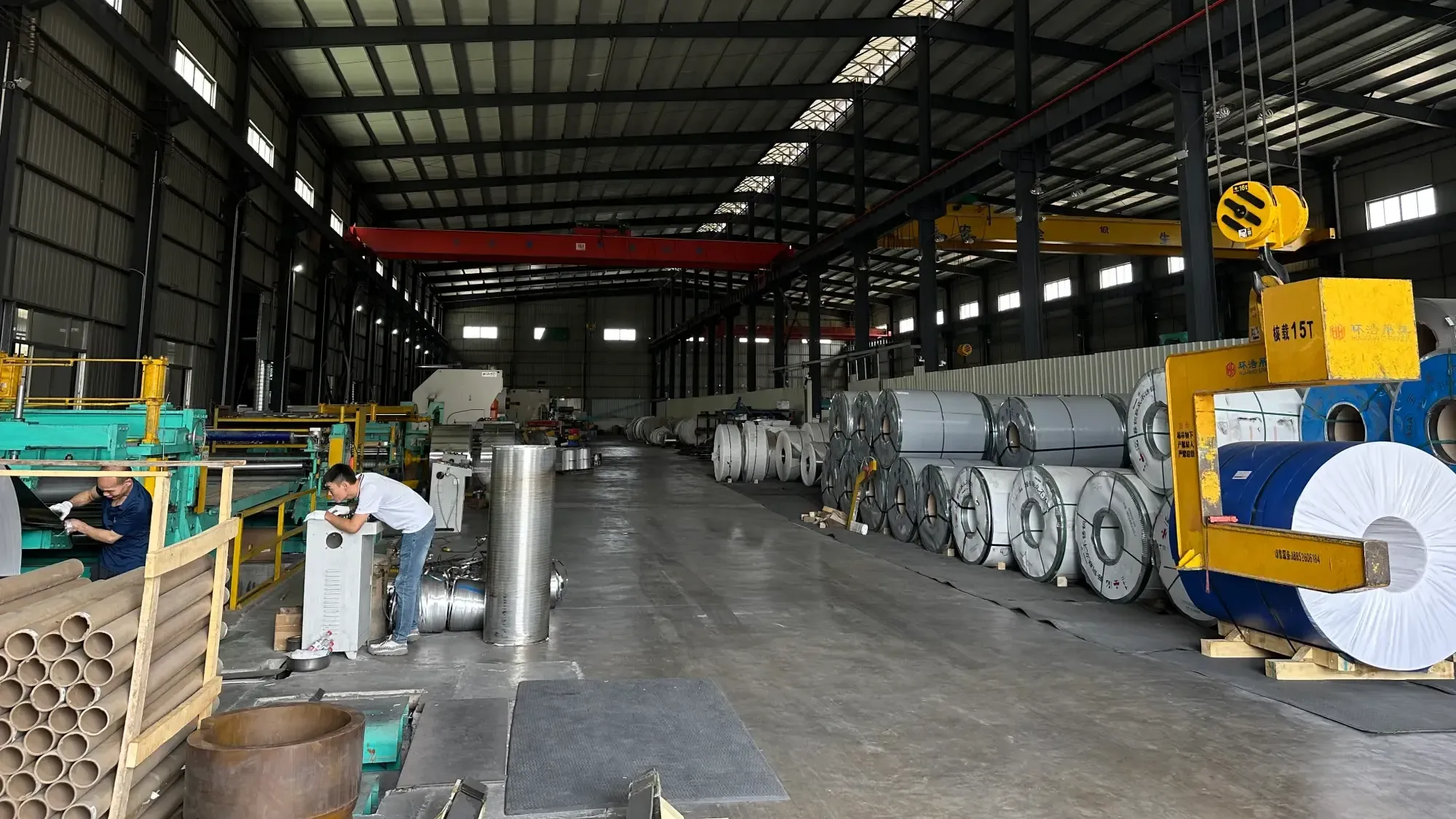
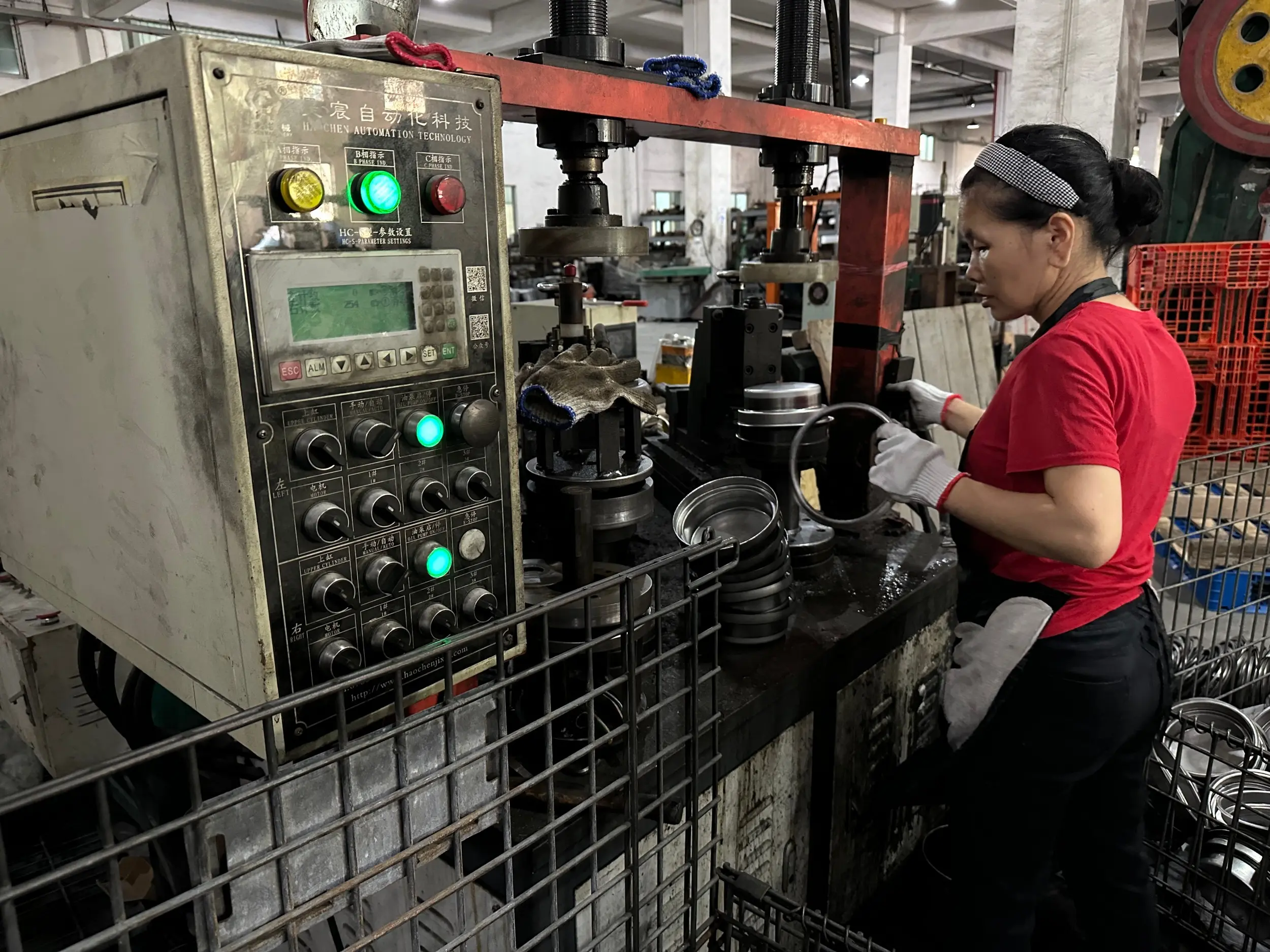
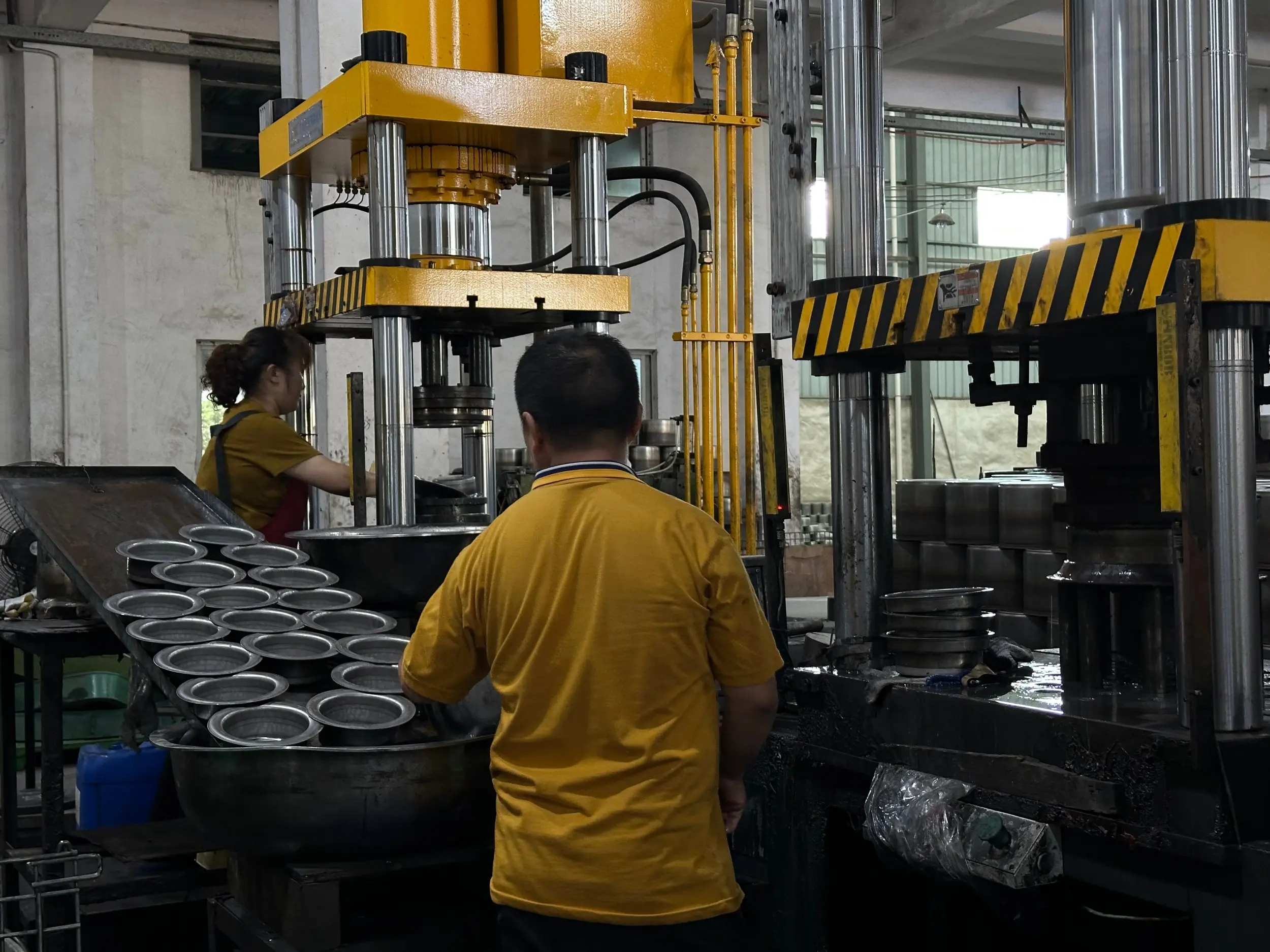
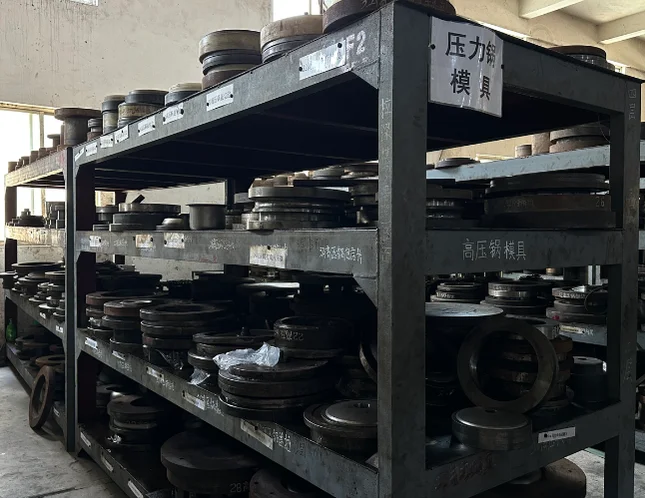
As a mini pressure cooker manufacturer, Hengguang also focuses on quality control throughout production, from material and component checks to finished-product inspection. Combined with bulk production and export experience, this gives B2B buyers a more complete sourcing solution rather than simply a product quotation.

Mini Pressure Cooker Buyer Checklist
| Evaluation Area | What Buyers Should Check |
|---|---|
| Safety | Pressure release, safety valve, lid lock |
| Material | Stainless steel grade, body thickness, construction |
| Compatibility | Gas, electric, ceramic, induction |
| Usability | Handles, lid operation, weight, grip |
| Durability | Body, lid, base, component construction |
| Market Fit | Target-market requirements and consumer expectations |
| Compliance | Applicable testing and certification documents |
| Branding | Logo, finish, packaging, OEM/ODM options |
This checklist can be used when comparing suppliers, reviewing samples, or preparing a product specification sheet before mass production.
FAQs About Mini Pressure Cooker Features
What is the most important feature of a mini pressure cooker?
Safety is the most important feature. Buyers should evaluate the pressure release system, safety valve, lid locking mechanism, and pressure control before considering cosmetic or branding features.
Is stainless steel better for a mini pressure cooker?
Stainless steel can provide a strong combination of durability, corrosion resistance, and appearance, making it suitable for many mini pressure cooker applications. However, buyers should evaluate the specific grade, thickness, base construction, and overall product design rather than judging material quality by the word “stainless steel” alone.
Should a mini pressure cooker be induction compatible?
Induction compatibility is worth considering when the product is intended for broad international distribution. It can expand cooktop compatibility and reduce restrictions on where consumers can use the cooker.
What safety features should a pressure cooker have?
Important features include a reliable pressure release system, safety valve, and lid locking mechanism. Buyers should also confirm how these systems are tested and whether the product has the compliance documentation required for its target market.
Can one mini pressure cooker design work in every market?
Not necessarily. A basic design may be sold internationally, but cooktop compatibility, safety requirements, materials, usability, packaging, and price positioning may need adjustment according to the target market.
Can manufacturers customize mini pressure cooker features?
Yes. Depending on the manufacturer’s capabilities, buyers may be able to customize materials, base construction, handles, lids, surface finishes, logos, packaging, and other product specifications through OEM/ODM development.
Conclusion
For consumers, the priority should be a reliable combination of safety, durability, compatibility, and everyday usability. For importers, wholesalers, retailers, and private-label brands, these product features should also be evaluated from a commercial perspective, including quality consistency, compliance, customization, and production capability.
When placing bulk orders, working with a specific mini pressure cooker manufacturer that can clearly explain specifications, provide testing information, and support customization can further reduce sourcing risks.