



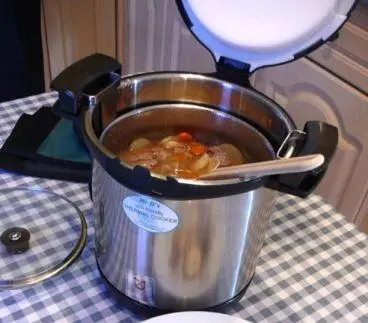
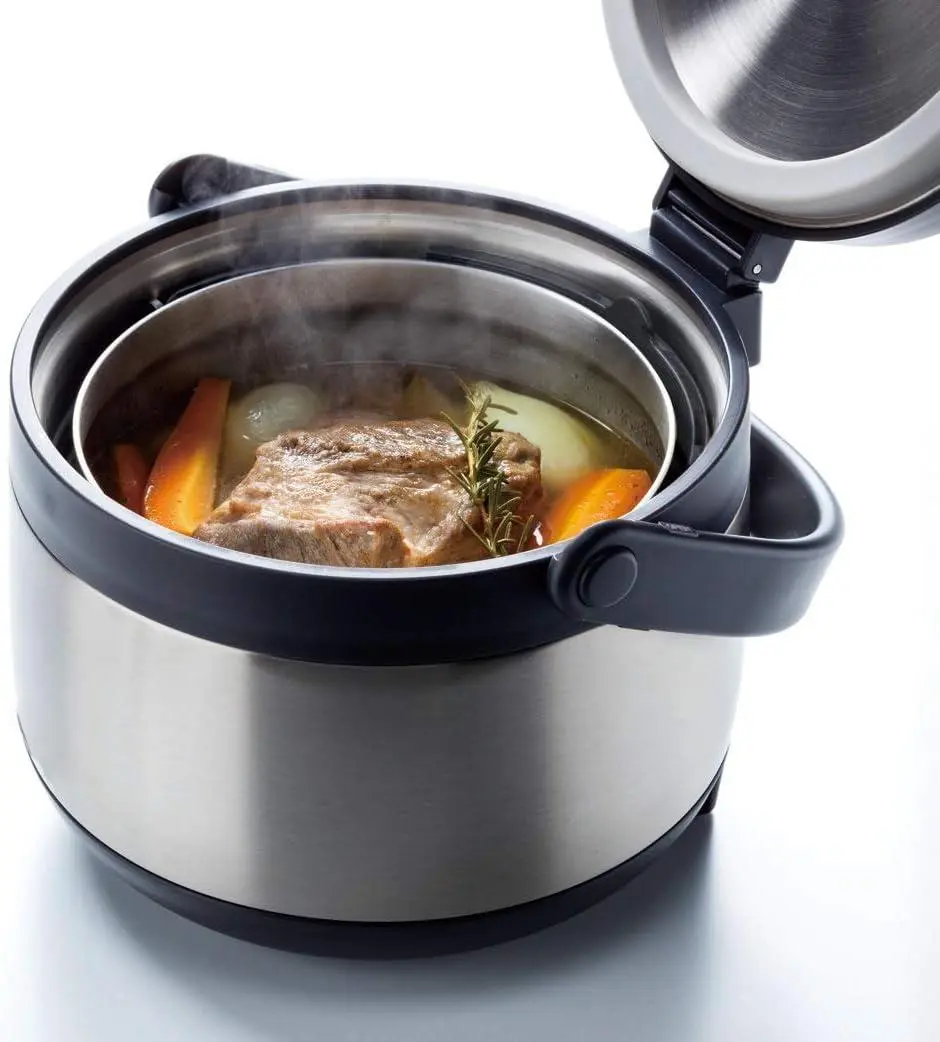
Vacuum thermal cookers (or thermal cookers or vacuum insulated cookpots) are simple in concept but demanding in practice. Used correctly they save energy, preserve flavor, and free cooks from constant stovetop attention. Used incorrectly, however, they can undercook food, waste energy, decrease equipment lifespan, or even pose safety risks.
Today, Hengguang, as a leading vacuum thermal cooker manufacturer, is going to tell you these five common mistakes and how to avoid them. If your brand needs special vacuum thermal cookers, we offer fully custom solutions to help your business.
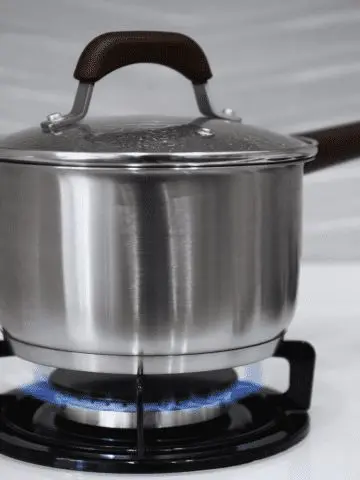
Mistake 1: Not Getting Ingredients to a Full Boil or Sufficient Preheating
Why it is important:
Vacuum thermal cooking is a residual-heat process. The insulation of the cooker is used to retain heat supplied at the start; it does not generate heat. If the food or liquid is not at a sufficient temperature when it is placed in the insulated chamber, there will be inadequate residual heat to complete cooking safely.
Effects:
- Food not cooked enough (especially dangerous for pulses, rice, and meat).
- Increased food-safety risk (bacterial survival).
- Substandard texture and flat flavor.
Avoidance:
- Heat soups, stews, rice, and beans to a rolling boil (or to the recommended temperature/boiling time in the recipe) on the cooker before closing.Comply with manufacturer guidelines: typically 5–10 minutes high-intensity boil for soups/stews; 10–15 minutes for legumes and beans (pre-soak beans when necessary).
- For grains: Boil and short-simmer as instructed, then transfer and seal.
- For commercial operations, use a thermometer: the inner pot temperature should be above 95–100°C (203–212°F) before sealing for most recipes.
Mistake 2: Over- or Under-Filling the Inner Pot
Why it is important:
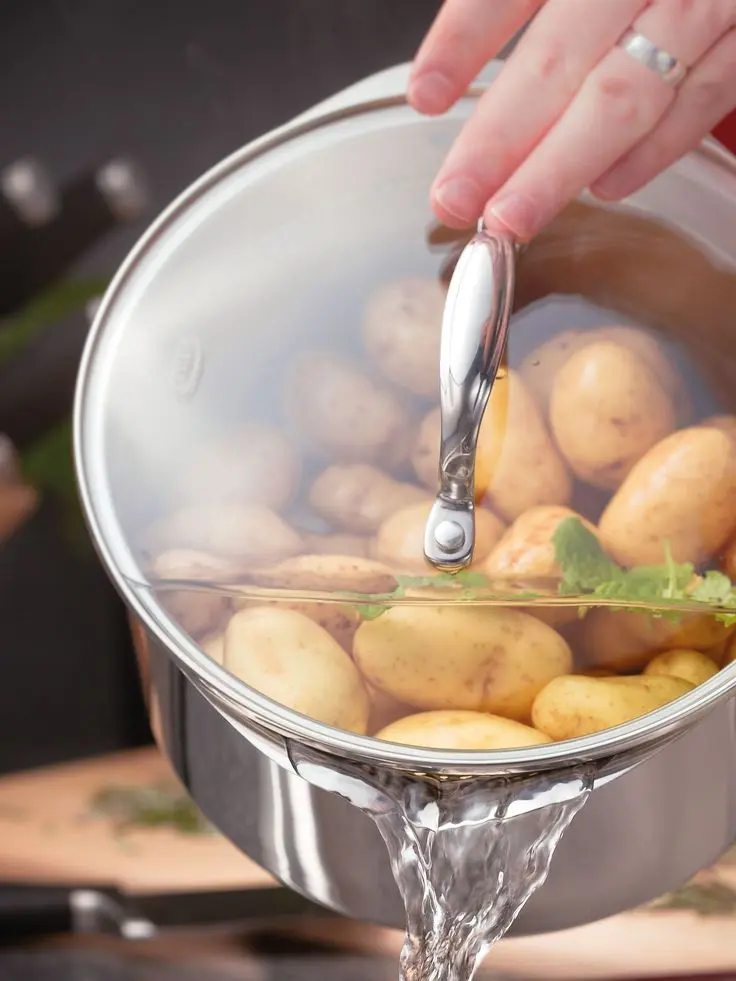
The thermal cooker depends on the heat capacity of the hot contents and a small air space to be effective. Too much and too little content reduce efficiency.
Effects:
- Overfilling can cause a sealing leak and uneven cooking
- Underfilling will lead to insufficient thermal mass, causing faster thermal loss, and eventually the meal will be undercooked.
How to avoid it:
- Target 60–80% fill of inner pot capacity for optimal heat retention. Many manufacturer instructions also carry a suggested safe fill mark—use it.
- Leave room for expansion, especially with starchy foods (rice, porridge).
- For soups/stews: liquid level should be at least 50–60% of the pot height for reliable heat retention.
- For small servings: use a smaller inner pot if available. Using a large pot half full reduces cooking efficiency.
Mistake 3: Using Recipes Unsuitable for Residual-Heat Cooking
Why it matters:
Vacuum thermal cookers work well in long, slow cooking when heat retention is sufficient. They are not ideal for continuous high-heat, high-stir, and short high-heat sear recipes.
Consequences:
- Inferior outcomes for quick-fry, deep-fry, or constant agitation-type recipes.
- Texture or consistency problems, for instance, risotto that needs constant stirring to develop starch.
How to prevent it:
- Employ thermal vacuum cookers for: soups, stews, braises, porridge, congee, slow-cooked beans, stews, blanched vegetables, rice dishes, and warm-holding.
- Don’t use for: stir-fry, deep frying, caramelization work, risotto unless you par-cook and finish on the stove.
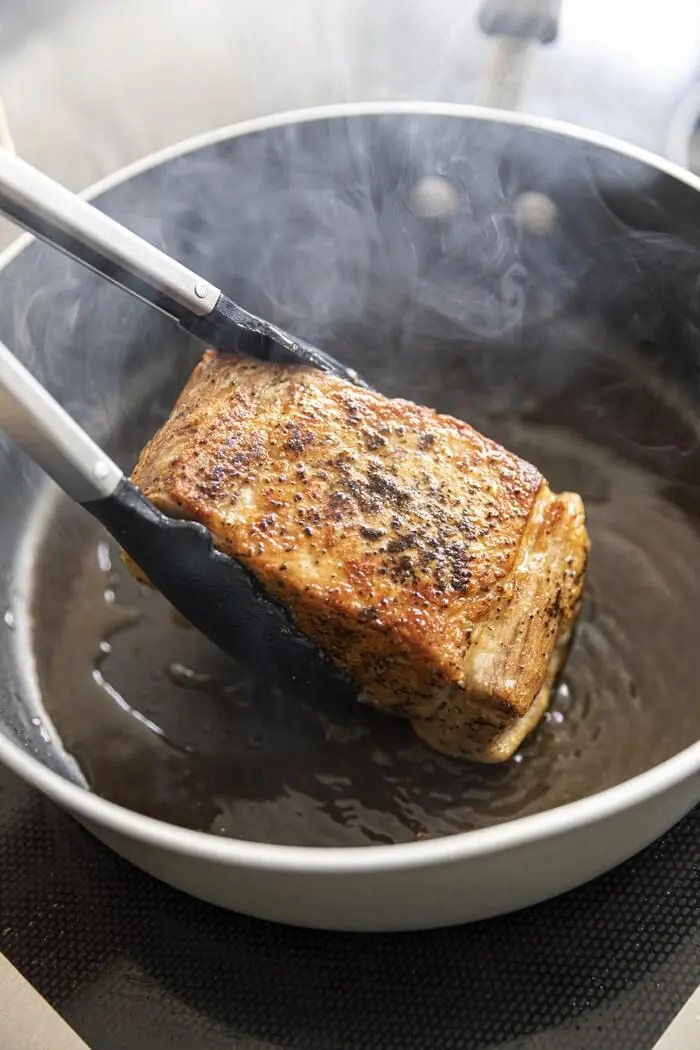
- Adjust recipes: pre-brown meats, then transfer to the thermal cooker for the low-and-slow portion. This takes advantage of the cooker’s ability while still allowing flavor development.
Mistake 4: Opening the Lid Too Often or Inadequate Sealing
Why it matters:
Every time you open the lid, you lose most of the heat energy. The cooker requires a continuous high internal temperature to complete cooking.
Consequences:
- Increased cooking time or undercooking.
- Lower retained nutrients and flavor.
- Potential safety risk if temperatures fall into the danger zone.
Prevention:
- Check only once if necessary—use a long-handled thermometer rather than constantly opening.
- Clean and replace lids and seals as needed to keep insulation performance intact. Repair cracked gaskets promptly.
Mistake 5: Poor Cleaning, Drying, and Storage
Why it is important:
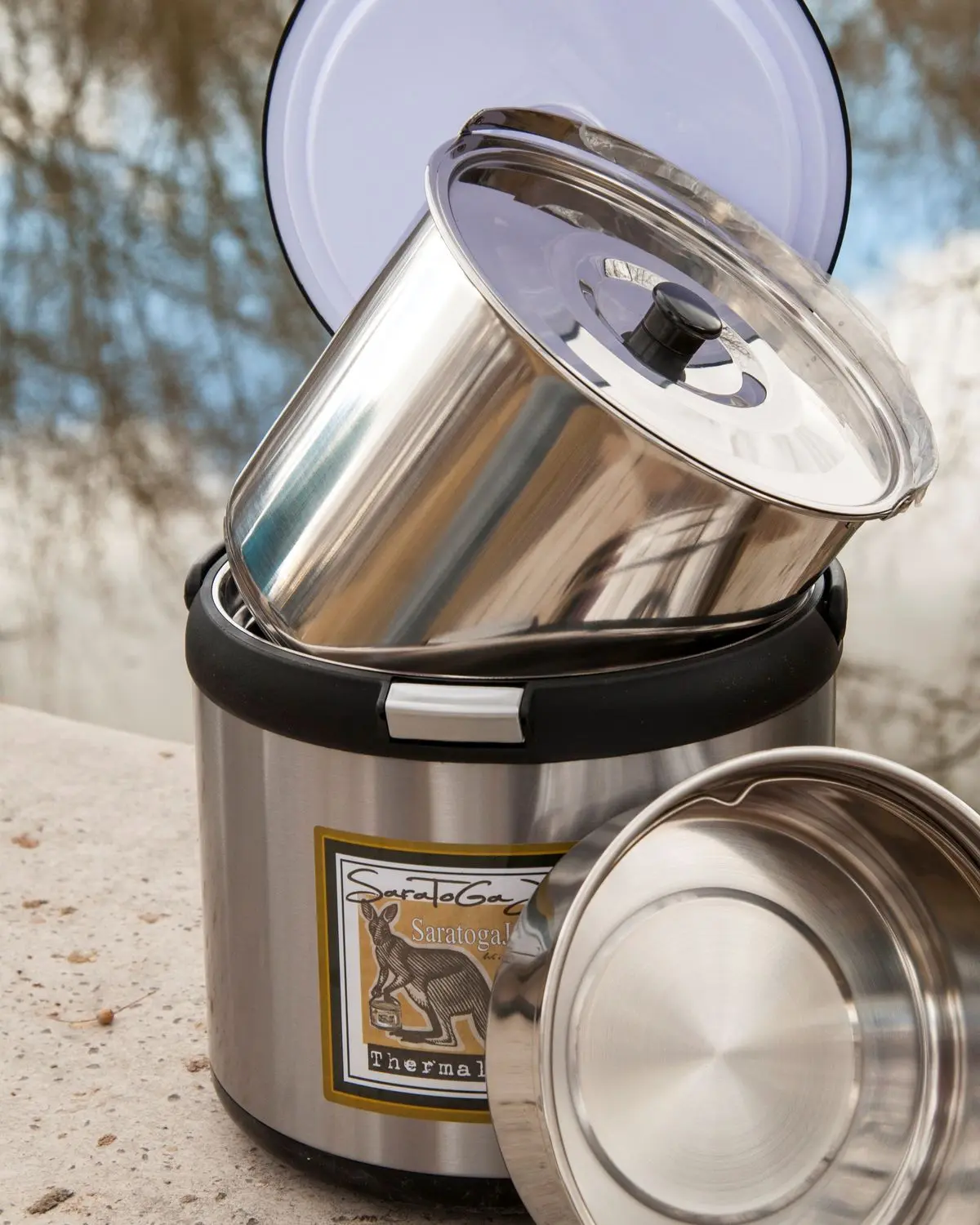
Thermal cookers normally come with stainless-steel inner pots and delicate vacuum-sealed outer casings. Harsh treatment during cleaning or improper storage can cause seals to break, corrode parts, or interfere with vacuum operation.
Effects:
- Rusting or corrosion of the inner pot (especially if not dried)
- Degradation of the gasket, reduced insulation, or vacuum failure in the outer container
- Reduced product life and warranty
Prevention:
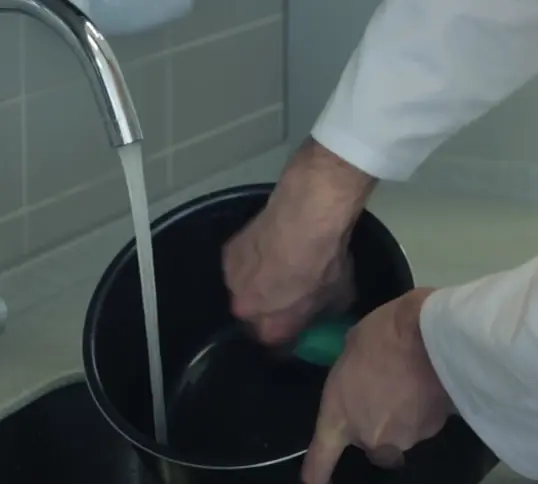
- Inner pot: wash with warm soapy water; do not soak in aggressive chemicals for prolonged periods of time. Dry immediately. For stubborn residues, briefly soak and scrub using non-abrasive pads.
- Outer casing: wipe outside with a damp cloth; do not immerse the outer vacuum shell in water.
- Lid & gasket: take out and clean according to manufacturer’s directions; dry gasket and in one piece prior to reassembly.
- Store lid off or loosely on (so as not to trap moisture and smells) if keeping for the long term.
More Useful Tips for Domestic or Commercial Use
Use the Correct Water-to-Food Ratios
Soups/stews: use proven recipes — less liquid decreases heat transfer; excess slows down temperature decline.
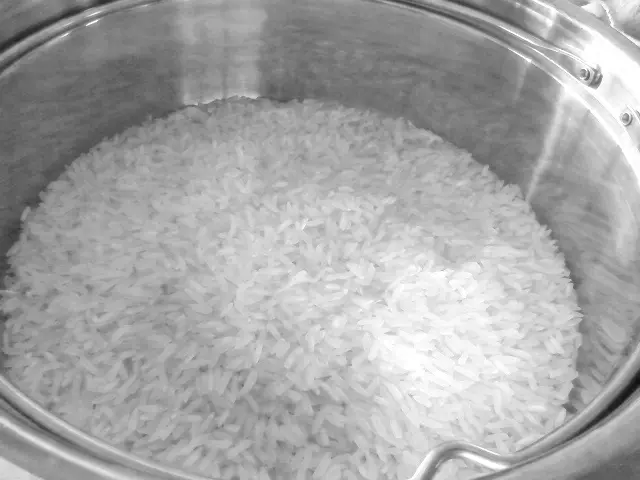
Rice: par-cook so that it will absorb some water on the stove, then transfer; standard recommended par-cook time will differ according to the type of rice.
Beans: pre-soak and par-boil so that the cooking time is minimized and full cooking is achieved in the thermal phase.
Typical Cooking Durations (guideline)
Soups/Stews: pre-boil 5–10 min → thermal retention 2–6 hours
Rice/Congee: par-boil 5–15 min → thermal retention 1–3 hours
Beans/Lentils: par-boil 10–20 min → thermal retention 4–8 hours
(Times are recipe, pot size, ambient temperature — always refer to your model.)
Care & Maintenance (Maximize Product Life — critical to B2B buyers)
Inspect gaskets and lids periodically for wear; replace annually or based on use intensity.
Avoid banging or dropping outer vacuum shell — dents ruin vacuum integrity.
The stainless inner pots should avoid long-term exposure to extremely acidic foods; wash straight away.
Document cleaning routines for institutional clients (canteens, hotels) to ensure warranty adherence and predictable performance.
Troubleshooting—Normal Problems & Solutions
Problem: Food not properly cooked after suggested time
Check initial preheat (was the pot boiling?)
Check fill level was adequate (60–80% recommended)
Check ambient temperature — add extra boil time or reduce heat loss
Problem: Cooker hot but not hot enough
Check gasket fit/condition
Check inner pot was hot at sealing time
If outer shell will not dent or perform poorly, vacuum compromised — see warranty/inspection.
Problem: Odors or stains
Clean inner pot immediately and well. For odors, clean with baking soda paste or diluted vinegar rinse (for stainless pots).
Do not use abrasive heavy-duty on non-stick inner pots.
Conclusion
A vacuum thermal cooker is a low-energy, efficient cooking alternative—if done correctly. The five mistakes outlined above are the primary causes of poor performance and premature product deterioration. Treat them with good preheating, correct fill levels, correct recipes, minimal lid opening, and correct cleaning. To manufacturers and B2B retailers, packaging user instructions and maintenance support are worth as much as product quality—it protects your customers and your reputation.
Why choose Hengguang
- 🏆 Over 30 Years of OEM/ODM Experience
- 🔍 Strict Quality Control for Every Manufacturing Step
- ⚙️ Advanced Tri-Ply Technology for Professional Cookware
- 🌍 Global Market Service – North America, Europe, Asia & Beyond
- 🎯 Custom Solutions Tailored to Your Brand Needs
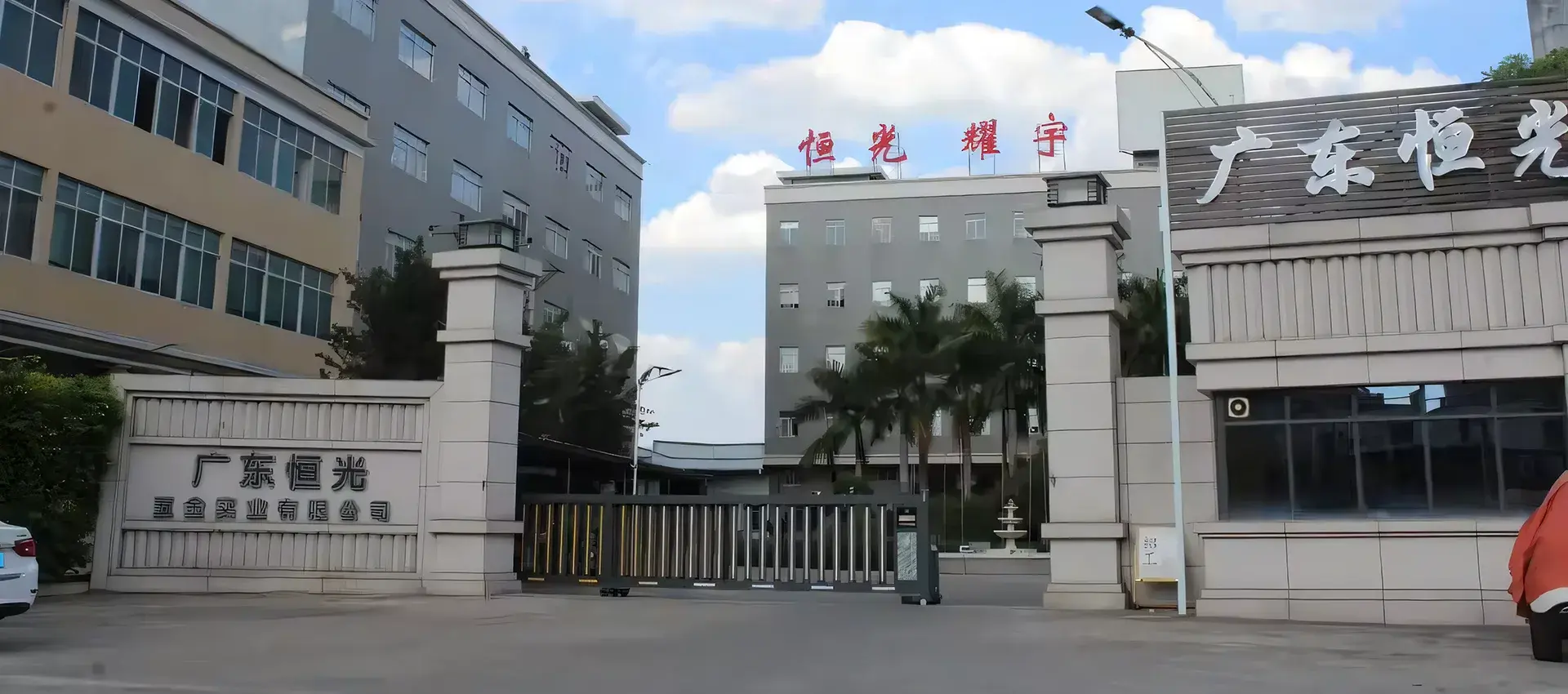
Hengguang, a brand that not only brings you products, but also a partner who can solve problems and create value for you. Contact us now and let us achieve greater possibilities together!