




Hengguang, a leading titanium cookware manufacturer, is bringing a comprehensive analysis based on real user experiences, media reviews, and material properties, along with a summary of advantages and disadvantages.
Real-World Experience with Titanium Cookware – Advantages
Extremely Lightweight
- Titanium is much lighter than steel and cast iron. Many outdoor/camping enthusiasts highly recommend titanium cookware because it’s easy to carry.
- From a kitchen use perspective, it’s also great because it’s not as heavy and tiring to handle as thicker, heavier pots.
High Durability
- Titanium metal is very hard and not easily deformed or dented.
- It has good corrosion resistance and does not rust easily.
- Long service life: If you choose a high-quality titanium pot, it is indeed a “long-term investment” if used properly.
Chemical Stability (Non-reactive)
- Titanium is a non-reactive metal and does not easily react with acids or bases in food. This means that cooking tomatoes, lemons, or acidic liquids won’t alter the food’s taste and is safer.
- This stability makes titanium cookware more versatile for cooking a variety of ingredients.
Fast Heating Speed / Fuel Efficiency (Especially outdoors)
- Some users have pointed out that titanium pots heat up quickly and are highly efficient when using fuel (such as an outdoor stove).
- For quickly stir-frying or pan-frying small portions of food, the fast response time of titanium cookware is an advantage.
Safety / Health Aspects
- Titanium itself is non-toxic, and in high-quality products, it is often pure metal or without harmful coatings.
- Compared to some coated pots that may release chemicals (e.g., old non-stick coatings), titanium pots offer greater peace of mind in this respect.
Fuel Saving & High Practicality (Outdoors)
- For camping or hiking, being lightweight and durable is a huge advantage.
- Titanium pots can be used to cook noodles, soup, or stir-fry dishes, making them very versatile.
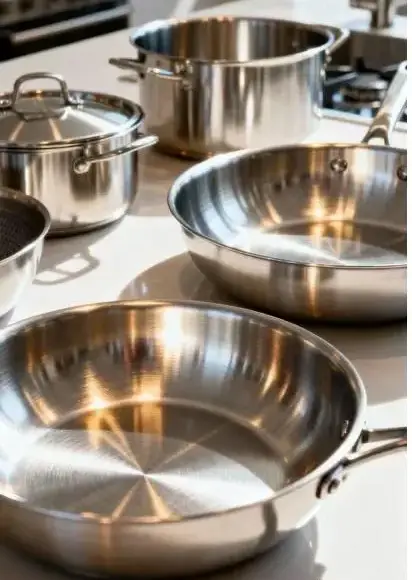
Real-World Experience with Titanium Cookware — Less Than Ideal Aspects / Potential “Gimmicks”
Heat Distribution Issues / Uneven Heating
- Pure titanium does not conduct heat as evenly as copper or thick aluminum.
- Some users have pointed out that titanium pans are prone to forming “hot spots,” requiring attention to heat control and food movement.
- Different titanium pan designs (whether they have an aluminum or steel core) determine the differences in heat distribution.
Fast Heat Dissipation / Poor Heat Retention
- Titanium pans heat up very quickly, but they also cool down quickly. This is not necessarily an advantage for long-term heat retention or slow cooking.
- This characteristic can be a disadvantage in certain cooking scenarios (such as keeping food warm or making soup).
Cleaning / Residue Issues
- Although many claim that titanium pans are “non-stick,” the actual situation depends on the texture or coating of the pan surface.
- Taking the Our Place Titanium Always Pan Pro as an example, many users complain that the grooves at the bottom (hexagon pattern) easily accumulate residue and are difficult to clean completely:
“The non-stick properties were good for the first few weeks of use, but over time, oil and food residue accumulate in the small grooves, making it difficult to scrub clean.” - Some suggest using a soft brush or specific cleaning tools, but cleaning is indeed more troublesome than with ordinary frying pans.
High Cost
- Titanium pans are significantly more expensive than ordinary stainless steel or aluminum pans.
- For regular kitchen users who only occasionally cook a few dishes, this investment may not be worthwhile.
Requires Higher Heat Control Skills
- Titanium pans are sensitive to temperature changes. Using too high heat may cause discoloration, deformation, or even scorching.
- For beginners, it may take time to learn the proper heating rhythm.
Easily Scratched / Appearance Damage
- Although the metal itself is very hard, if used improperly, with metal utensils or rough cleaning methods, the titanium surface may be scratched.
- Surface scratches do not affect performance (in most cases), but visually, they may make it look “imperfect.”
Limited Specifications / Options
- Titanium cookware is not as common as stainless steel or aluminum pans, and certain types (such as large frying pans or deep pots) may have limited styles and sizes. Finding a good brand and a titanium pan suitable for your needs may be challenging due to limited options.
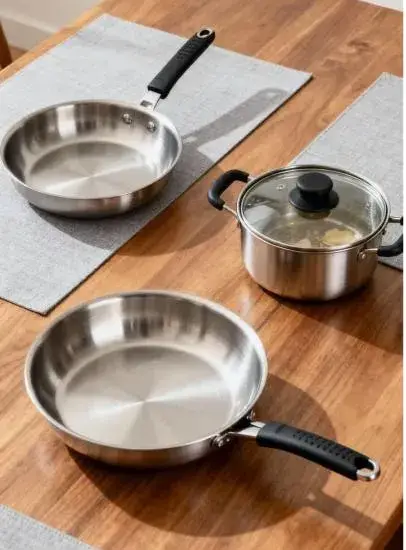
Based on Practical Usage Experience: General User Conclusion
Ideal for:
- Outdoor camping/hiking/lightweight gear scenarios
- Those who prefer a minimalist or ultra-minimalist kitchen style
- Users who value durability and the infrequent replacement of cookware
- Those who are health-conscious and want to reduce the risk of harmful coatings
May not be suitable for:
- Those who want “super non-stick like Teflon” (titanium cookware may not completely replace coated non-stick pans)
- Those with a limited budget who want to buy a complete set of cookware
- Those who frequently cook large stews require long heat retention, or use slow cooking methods (because heat retention may not be as good)
- Those who don’t mind washing but are concerned about difficult cleaning
Tips — How to get the most out of your titanium cookware:
- Choose the right model: Select a titanium pan with a composite base (aluminum/steel core) depending on its intended use (stir-frying, stewing, cooking rice); not all titanium pans are the same.
- Heat usage: Use medium heat or preheat first + cook with medium heat, avoiding continuous high heat.
- Cleaning strategy: Soak in warm water after cooking and clean with a soft brush; do not use a steel wool brush immediately.
- Maintenance: Avoid drastic temperature changes (thermal expansion and contraction should be considered), and be careful to prevent dents from dropping or impacts.
- Reasonable investment: If it’s just for daily home use, you don’t necessarily need to buy the most expensive or “high-tech” titanium cookware; you can decide on the configuration based on actual usage frequency.
About Hengguang
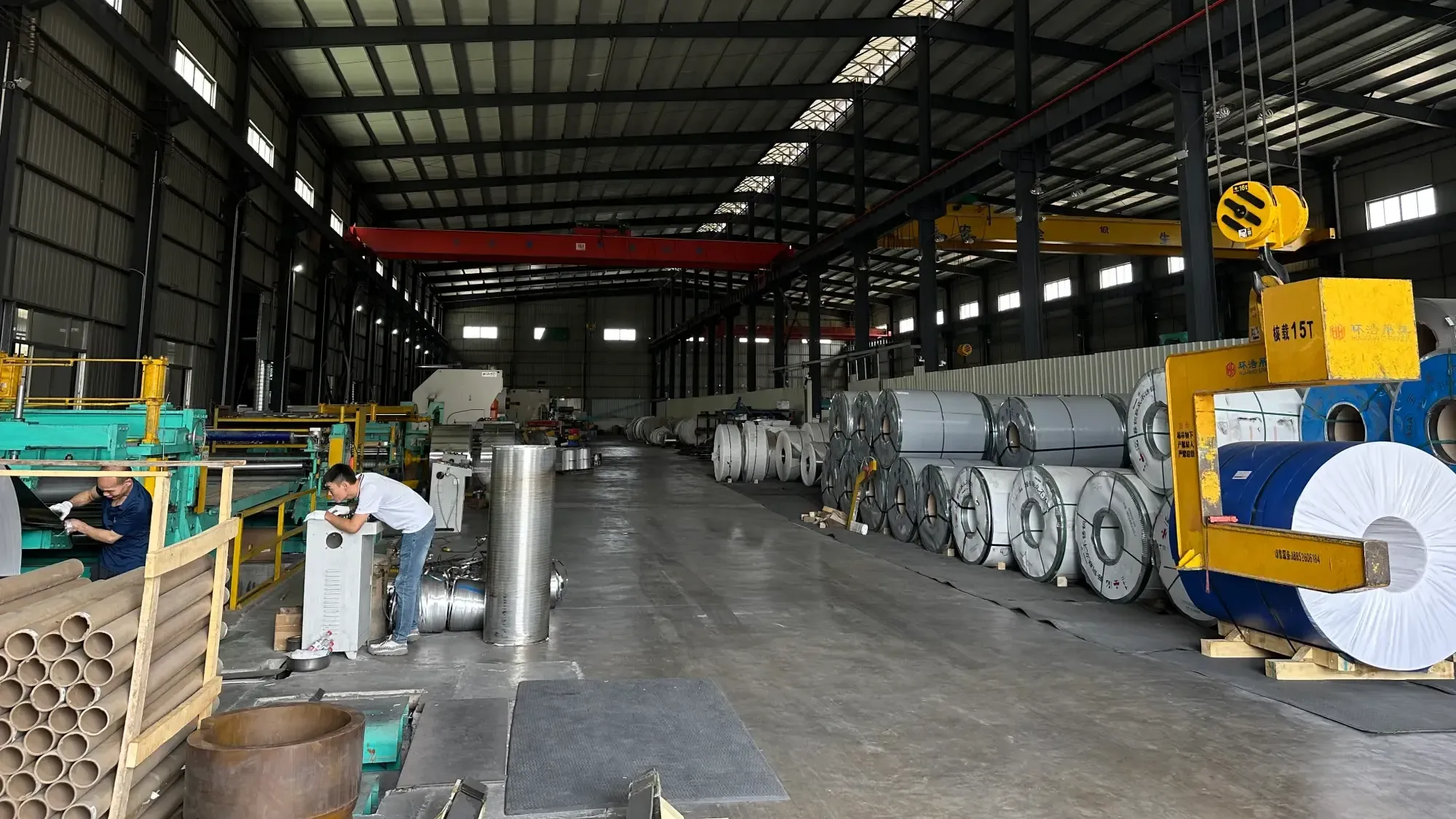
Hengguang is a factory-direct titanium cookware manufacturer offering wholesale service and custom solutions for global B2B customers. With advanced production facilities and strict quality control, we deliver reliable, durable, and high-performance cookware for wholesalers, distributors, retailers, and private-label brands. Our OEM and ODM titanium cookware services include custom logos, packaging, product development, and exclusive designs tailored to market demands.
Combining lightweight construction, corrosion resistance, and long-lasting performance, our wholesale titanium cookware is trusted by customers worldwide. From bulk orders to customized projects, Hengguang is committed to stable supply, consistent quality, and responsive customer service, helping partners build competitive product lines and grow their business with confidence.