




Being one of the top stainless steel kitchenware manufacturers that possesses a self-owned tri-ply stainless steel discs factory, Hengguang can confirm that it can be applied to making a pressure cooker, indeed. And it needs the disc and system to be engineered to meet the specific mechanical, thermal, and safety requirements of sealed-pressure cooking
Today, Hengguang is to share a technical, buyer-oriented analysis that explains how tri-ply stainless steel discs behave in pressure-cooker use, which design details matter, the advantages and limitations, recommended validation tests, and clear procurement criteria.
What Is a Tri-ply Stainless Steel Disc?
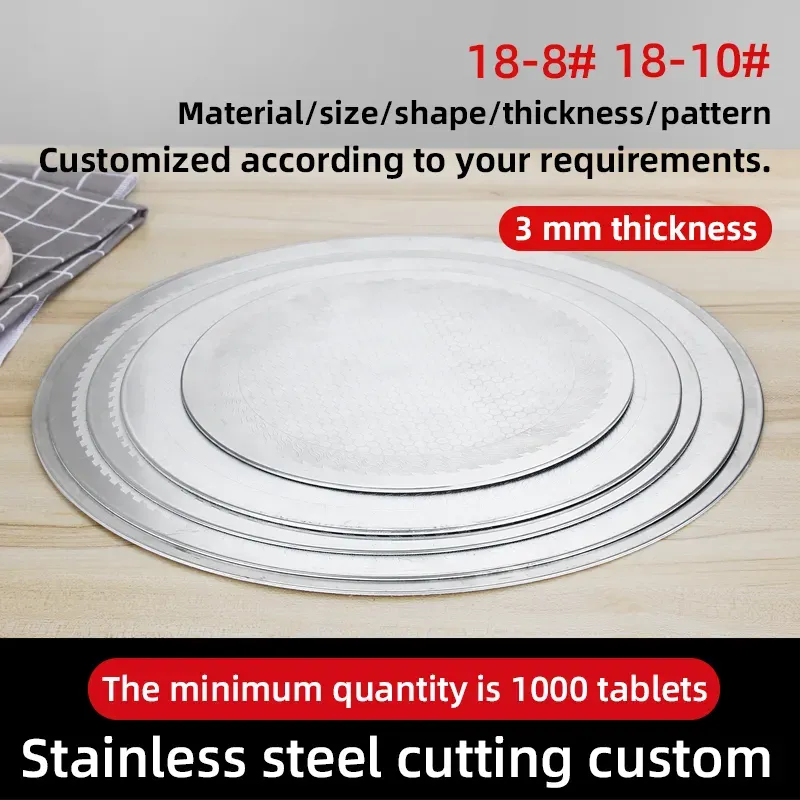
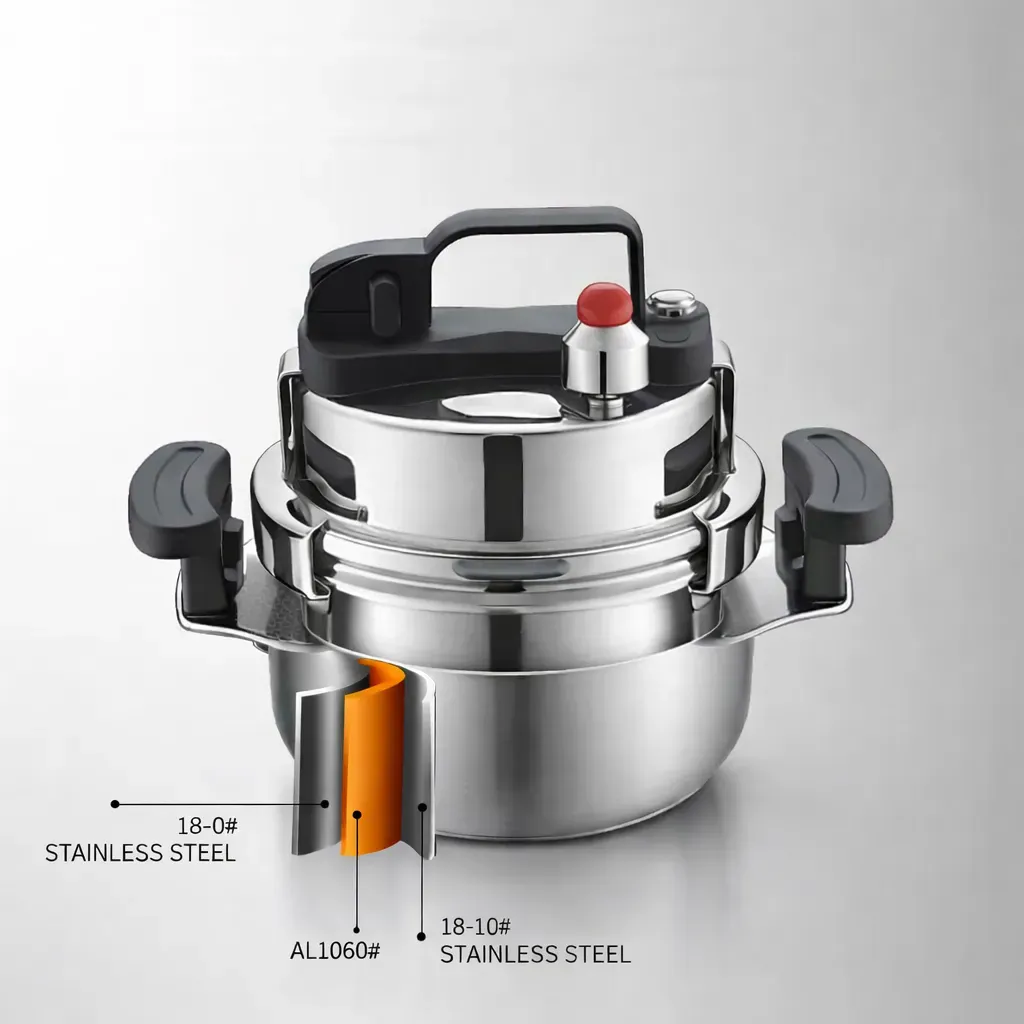
A tri-ply stainless steel disc used as a cooker base is a layered, metallurgically bonded assembly: stainless steel outer layer + high-conductivity core (typically aluminum) + stainless steel outer layer.
Unlike traditional bottom-encapsulated bases, these discs are fully bonded via advanced cold-roll cladding. They serve as the raw material for deep-drawing processes, allowing the multi-layer structure to extend from the base through the sidewalls. This construction maximizes thermal efficiency and structural integrity, making it the premier choice for professional-grade pressure cookers.
Why Base Construction Matters for Pressure Cookers
Pressure cookers operate under elevated internal pressure and temperature; their base must therefore deliver:
- Even heat distribution (avoid hot spots that cause localized overheating).
- High structural rigidity and flatness (minimize warping under thermal cycling and pressure).
- Reliable metallurgical bonding (prevents core delamination that could create failure modes).
- Compatibility with heating sources (gas flame, electric coil, induction).
A tri-ply stainless steel disc can satisfy these needs, but only if its geometry, bonding quality, materials, and assembly are specified for pressure service rather than ordinary cookware.
Key Technical Requirements and Design Considerations
Core and outer materials
- Core: High-conductivity aluminum is the standard choice for tri-ply cores because it levels temperature across the base.
- Outer layers: Use stainless grades selected for mechanical strength and magnetic behavior. For induction compatibility, the outer stainless must be magnetic (e.g., ferritic grades or engineered magnetic layers); otherwise, an additional magnetic disc or induction plate is required.
Thickness and stiffness
- Pressure-cooker bases require greater stiffness than standard frying pans. The disc should be engineered with sufficient total thickness and geometry to resist warping under pressure and repeated thermal cycling. In practice, designers increase base thickness and use heavy-gauge outer stainless for rim stiffness.
Bond quality and edge sealing
- Full-surface metallurgical bonding (roll bonding/diffusion bonding) is essential; spot or partial bonds are not acceptable.
- The disc perimeter must be sealed and mechanically integrated with the cooker body to prevent moisture ingress and to maintain structural integrity when the cooker is heated and pressurized.
Flatness and contact
- Flatness tolerance at the contact surface matters for efficient heat transfer and stable seating on stoves. The assembly and post-weld/assembly machining should preserve the disc’s flatness.
Attachment method
- Disc should be attached using a robust seam/weld, crimping, or mechanical fastening that retains pressure resistance. Welding procedures must control heat input to avoid de-bonding the clad layers.
Advantages of Tri-ply Discs for Pressure Cookers
- Improved thermal uniformity: Aluminum core distributes heat quickly and evenly (thermal conductivity nearly 237 W/(m·K)), reducing hot spots—beneficial for pressure cooking cycles.
- Cost and manufacturability: Disc attachment can be more economical than full multi-ply kettles, allowing OEM scalability and simplified tooling.
- Induction readiness (with magnetic outer layer): When the outer layer is specified to be magnetic, the disc supports induction heating with good responsiveness.
Limitations and Risks
- Bond failure risk: Poor bonding or edge preparation can produce delamination under cyclic heating and pressure — a critical safety hazard.
- Insufficient stiffness: If disc thickness or attachment design is underspecified, warping can occur, impairing sealing and cook performance.
- Induction incompatibility occurs if the outer layers are non-magnetic.
- Weld/attachment complexities: Improper welding can introduce stresses or de-bonding; assembly control is essential.
Recommended Validation and QA Tests
Before approving a tri-ply stainless steel disc for pressure-cooker use, require and witness or commission the following tests:
- Bond integrity tests: Peel/shear tests on sample coupons to verify full-surface bonding.
- Thermal cycling: Repeated pressurization and heating cycles to simulate field life and detect delamination or warping.
- Flatness / TIR measurement: Verify base flatness before and after cycling.
- Pressure performance run: Operate completed units at maximum rated pressure for extended cycles to verify seal integrity and base stability.
- Corrosion and sealing inspection: Check for moisture ingress around the disc perimeter after cycles and perform corrosion tests on exposed joints.
- Induction responsiveness (if applicable): Measure temperature rise time and uniformity on induction hobs.
- Visual and NDT inspection: Post-test ultrasonic or dye-penetrant checks for subsurface defects.
Include documented acceptance criteria in the technical contract; don’t accept vague “industry standard” claims without data.
Procurement Checklist
When sourcing pressure cookers made of a tri-ply stainless steel disc, include the following mandatory specs in RFQs and contracts:
- Disc construction: tri-ply (stainless/aluminum/stainless), with defined materials for each layer (specify stainless grade and core alloy).
- Total disc thickness and outer stainless steel thickness (engineered for pressure service).
- Bonding method and supplier quality procedures (roll bonding, heat/pressure parameters).
- Attachment method to the cooker body, and assembly welding/fastening process controls.
- Flatness tolerance and post-assembly flatness guarantee.
- Test protocol and minimum passing criteria (bond shear, thermal cycle count, pressure cycle validation).
- Induction compatibility statement (if required) and magnetic response measurement.
- Traceability, inspection reports, and CoAs for metallurgical tests.
When to Choose Tri-Ply Stainless Steel Discs
Recommended: For mid- to high-end household pressure cookers where better heat distribution, faster cooking, and cost-efficient production are desired — provided the disc is engineered and validated for pressure service.
Consider alternatives: For heavy commercial pressure vessels or extremely high-pressure designs, fully clad, thicker multi-ply bodies (not just a disc) may be preferable for maximum stiffness and durability.
Hengguang’s Tri-Ply Mini Pressure Cooker
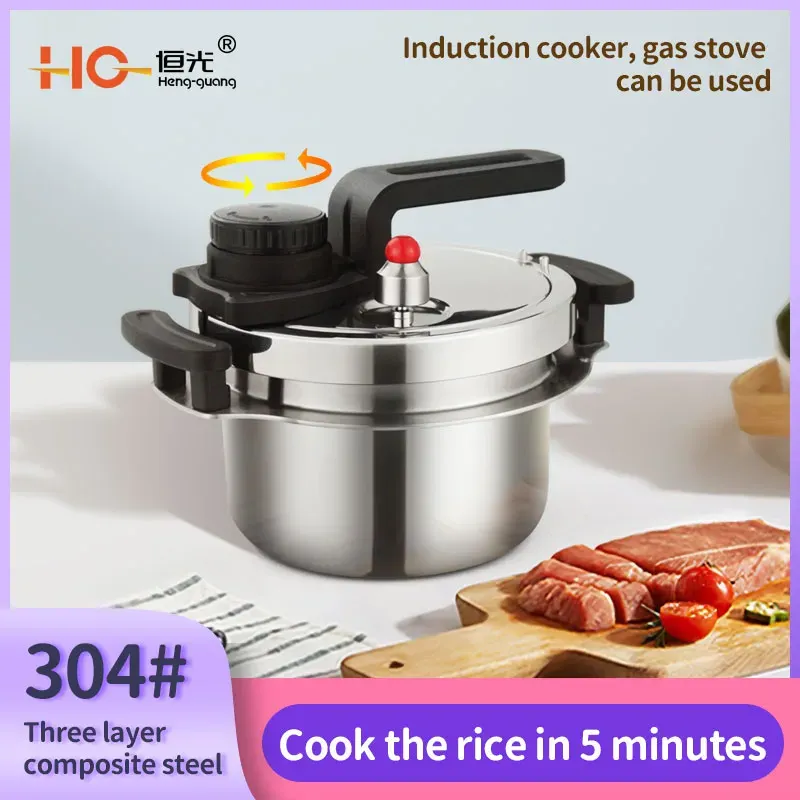
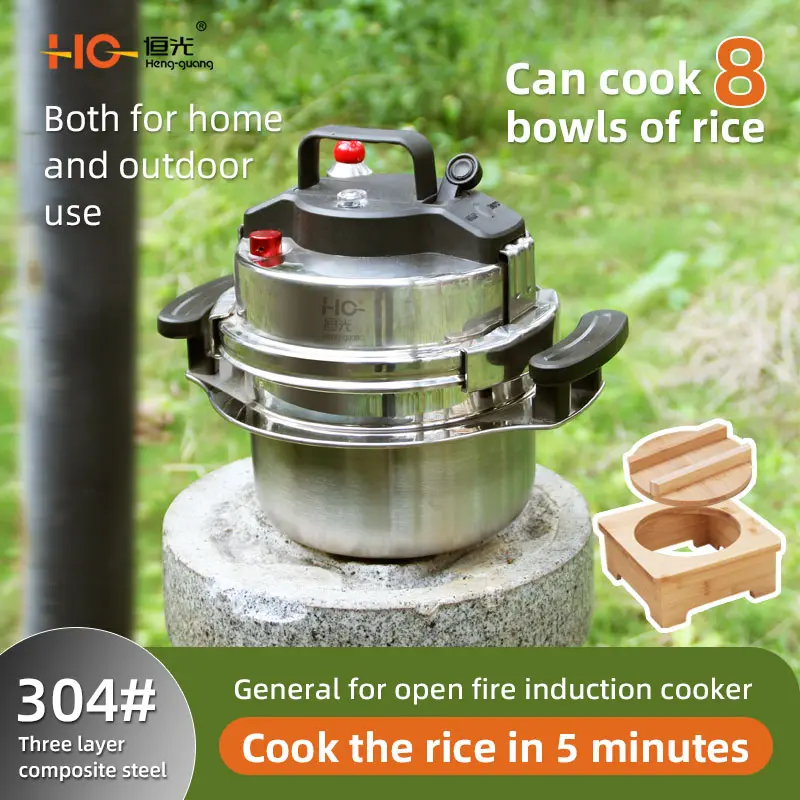
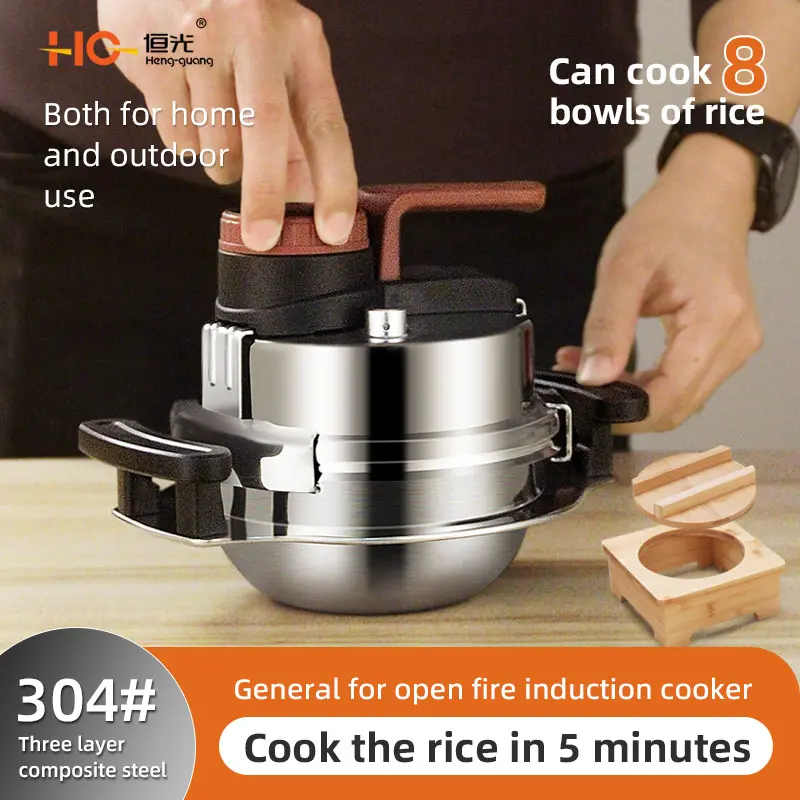
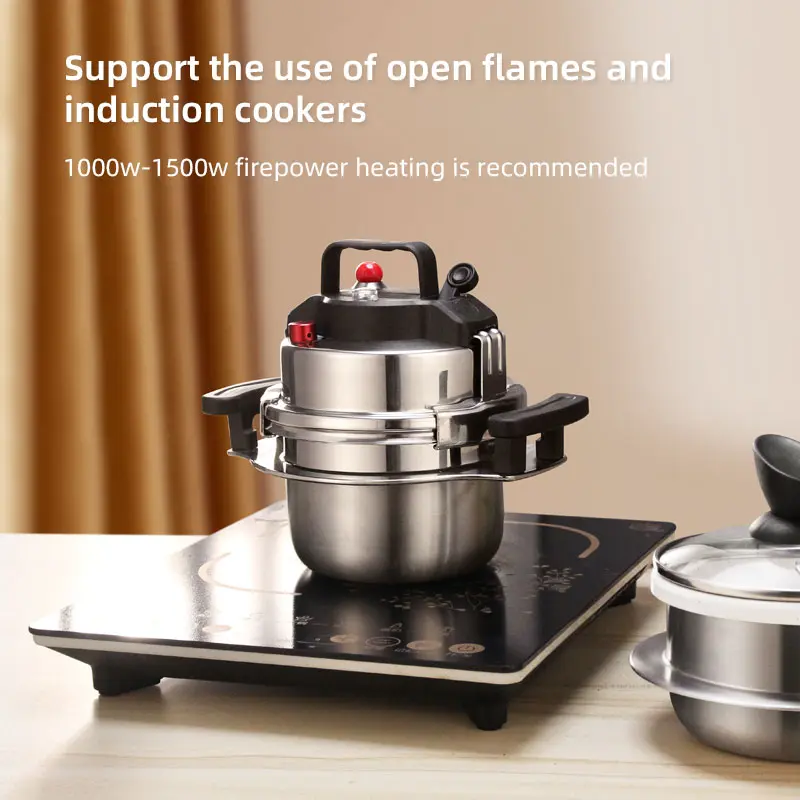
Advantages of Hengguang’s tri-ply mini pressure cooker
- Tri-ply stainless steel construction
Composite stainless steel structure delivers fast, even heat distribution, high structural strength, and long-term durability under pressure.
- Efficient cooking performance
Optimized heat conductivity enables faster cooking and improved energy efficiency, supporting “quick-cook” consumer demand.
- Multiple capacity options
Available in various sizes to support flexible SKU planning across different market segments and sales channels.
- Multi-cooktop compatibility
Suitable for gas, open flame, and induction cooktops, reducing market adaptation and compliance costs.
- OEM/ODM ready for wholesale
Supports private labeling, packaging customization, and scalable production for brands, distributors, and importers.
Conclusion
Tri-ply stainless steel discs can be a practical, efficient body solution for pressure cookers, offering excellent thermal performance and cost advantages. The safety and longevity of a pressure cooker using a tri-ply disc depend on disciplined engineering: correct material selection, adequate thickness and stiffness, robust full-surface bonding, secure attachment to the body, and a rigorous validation program (bond tests, thermal cycles, pressure runs). For procurement teams: require explicit construction details, test evidence, and traceability before approving tri-ply disc–based pressure cookers for sale or specification.
About Hengguang

Hengguang is a leading stainless steel kitchenware manufacturer with in-house capabilities in both finished cookware and core materials. We supply wholesale tri-ply mini pressure cookers as well as tri-ply stainless steel discs, enabling precise control over performance and cost. Our team delivers custom mini pressure cooker solutions tailored to structure, capacity, and usage scenarios. Operating under internationally aligned safety and manufacturing standards, our factory ensures consistent output and dependable quality for long-term cooperation.