



For importers, wholesalers, retailers, and private-label brands, choosing a mini pressure cooker supplier involves more than comparing quotations. One of the first decisions is whether to buy directly from a mini pressure cooker factory or work with a trading company.
Both sourcing models can work, but they provide different levels of control, flexibility, and supplier access. The right choice depends on factors such as customization requirements, order volume, product range, quality control, and whether you are building a long-term product line.
Together with Hengguang, a professional mini pressure cooker manufacturer, we compare the two models to help buyers determine which approach fits their sourcing requirements.
What Is the Difference Between a Factory and a Trading Company?
What Differentiates a Mini Pressure Cooker Factory
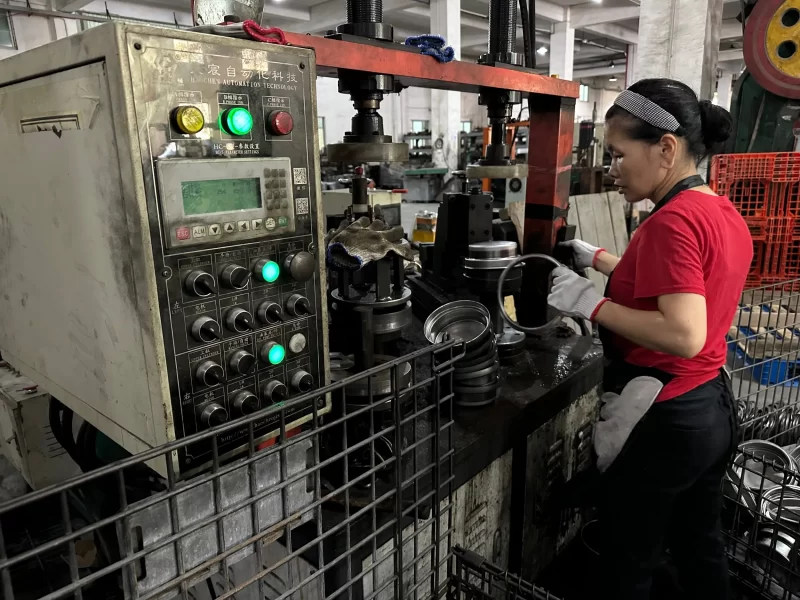
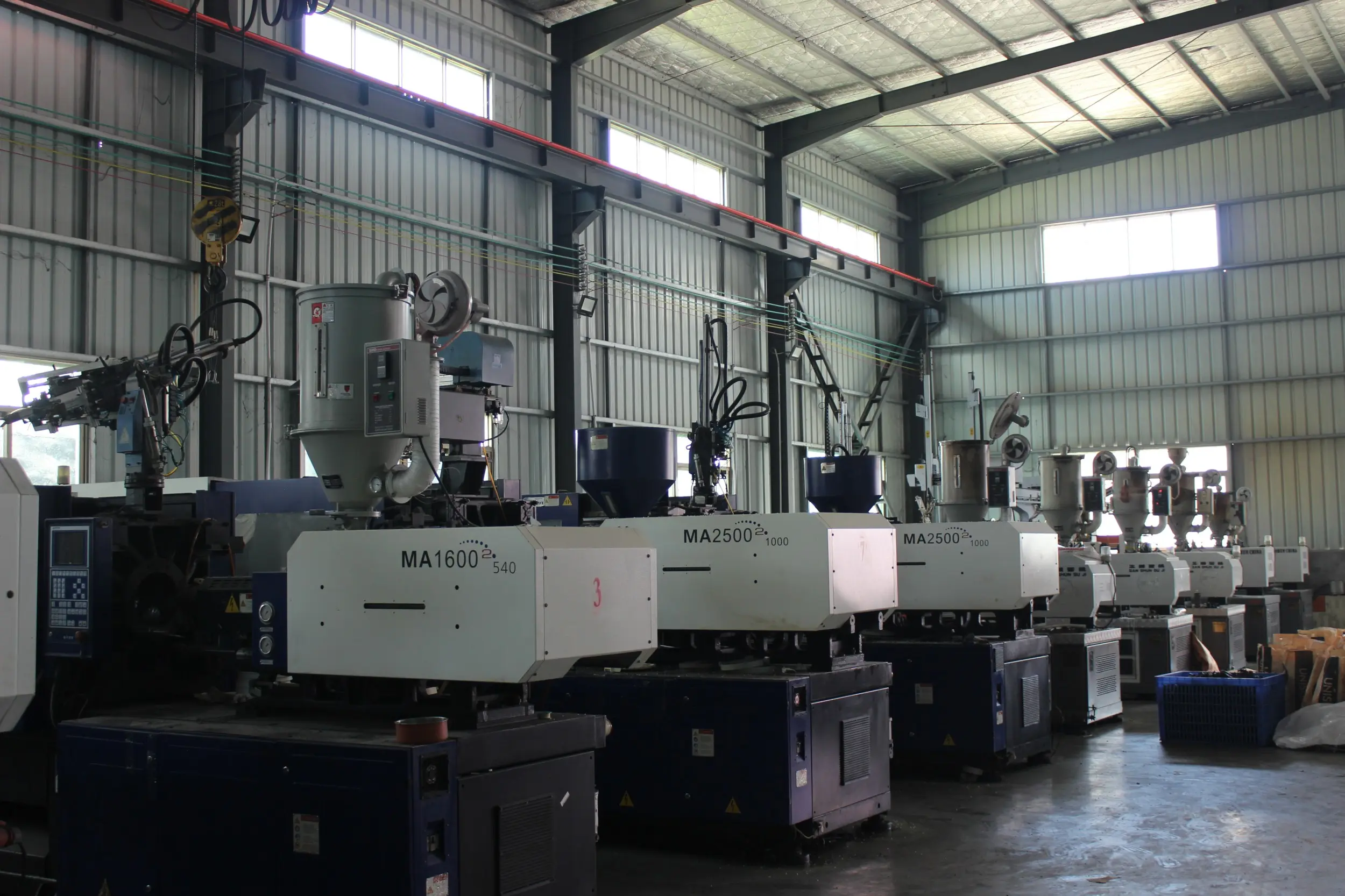
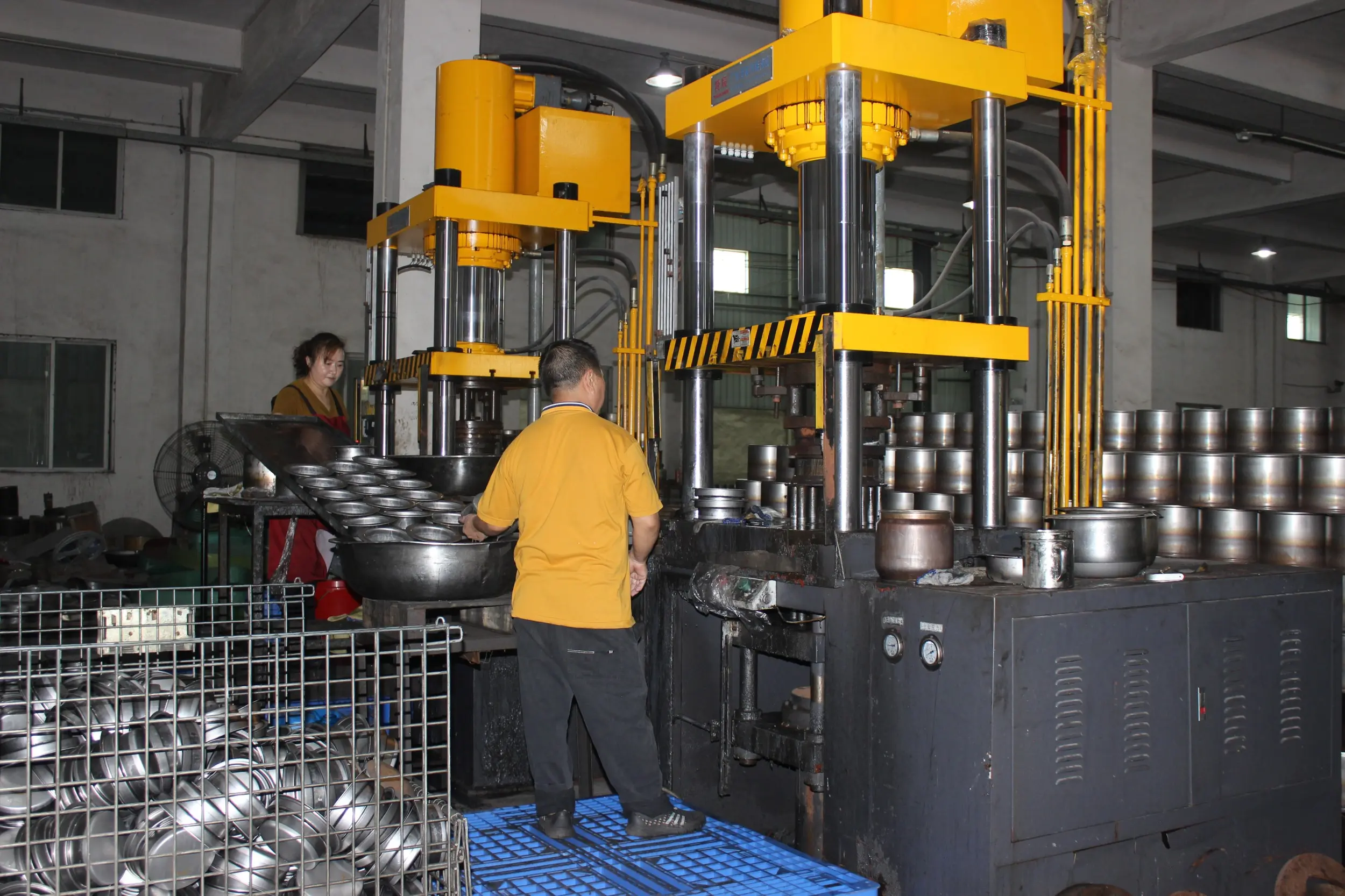
A factory directly controls the manufacturing process. It typically manages production equipment, workers, raw materials, assembly, quality control, and production scheduling.
For mini pressure cookers, a direct manufacturer can usually provide more detailed information about product construction, materials, testing, and customization.
This is particularly relevant when buyers require OEM mini pressure cookers, private-label products, or repeated bulk production.
What a Trading Company Does
A trading company typically purchases products from one or more factories and sells them to overseas buyers.
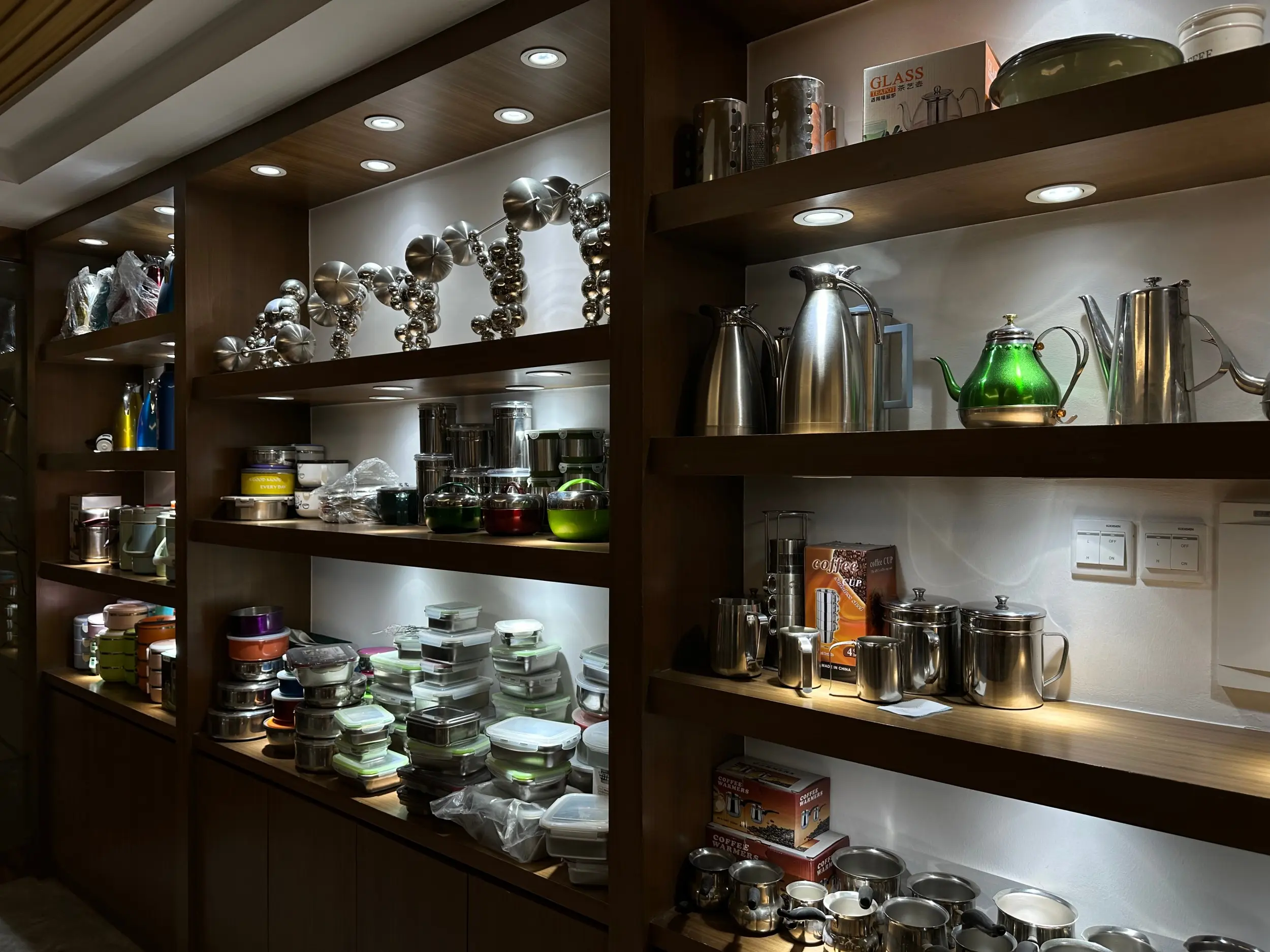
Its main value is often sourcing and coordination. A trading company may offer a broader product range than an individual factory and can sometimes combine products from different manufacturers into one order.
This can be useful for buyers who need multiple unrelated kitchenware products rather than a single specialized product category.
Importantly, a trading company is not automatically inferior to a factory. The key difference is where the production is controlled and how directly the buyer can communicate with the actual manufacturer.
Factory vs Trading Company: Key Differences for Buyers
| Фактор | Factory | Trading Company |
|---|---|---|
| Product Price | More direct production pricing | May include service margin |
| Настройка | Usually stronger | Depends on partner factories |
| Ассортимент продукции | Focused on own production | Often broader |
| Quality Control | Direct production control | Usually managed through suppliers |
| Technical Communication | Direct | Through an intermediary |
| Production Scheduling | Directly controlled | Depends on factory |
| OEM/ODM | Usually strong | Depends on manufacturing partners |
| Multi-Product Sourcing | More limited | Usually stronger |
| Long-Term Supply | Direct production relationship | Dependent on supplier network |
The difference becomes more important as the buyer moves from simple product sourcing toward product development and long-term supply.
When Should You Buy Mini Pressure Cookers Directly from a Factory?
You Need OEM or ODM Customization
Direct factory sourcing is particularly useful when the product needs to be modified.
For example, a buyer may require changes to:
- Вместимость
- Материал из нержавеющей стали
- Строительство фундамента
- Дизайн рукоятки
- Конфигурация крышки
- Отделка поверхности
- Логотип
- Розничная упаковка
With direct access to the production team, technical requirements can usually be communicated more efficiently.
A мини скороварка на заказ also requires more than simply changing the logo. Product specifications, samples, production requirements, and quality standards all need to be coordinated with the actual manufacturer.
You Need Consistent Bulk Supply
For wholesalers, retailers, and brands with recurring orders, direct factory sourcing can simplify production planning.
The buyer can communicate directly about:
- Production schedules
- Raw material availability
- Quality requirements
- Reorders
- Production capacity
- Packaging specifications
This can be particularly valuable when a mini pressure cooker becomes a long-term SKU rather than a one-time purchase.
You Are Building a Private-Label Product
Private-label brands usually have greater requirements than buyers purchasing generic products.
They may need a consistent product design, branded packaging, specific materials, and repeat production with the same specifications.
In this situation, establishing a direct relationship with a производитель мини скороварок can provide greater control over product development and future replenishment.
When Can a Trading Company Be a Better Option?
You Need Multiple Product Categories
A trading company can be useful when your sourcing requirements extend well beyond mini pressure cookers.
For example, a buyer may want to source:
- Посуда
- Kitchen accessories
- Tableware
- Food storage products
- Other household products
Instead of managing multiple specialized factories, the buyer can work with one sourcing intermediary.
You Have Small or Mixed Orders
New businesses may want to test several products before committing to larger production volumes.
A trading company may provide greater flexibility when the buyer needs smaller quantities, mixed products, or products from several factories.
This can reduce the complexity of managing multiple supplier relationships during the early stages of a business.
You Need Sourcing and Export Support
For buyers without an established procurement team, a trading company may also provide services such as:
- Supplier sourcing
- Product consolidation
- Export coordination
- Documentation
- Supplier communication
In this case, the buyer is effectively paying for sourcing and coordination services in addition to the products themselves.
Which Option Offers Better Price Control?
Factory-direct sourcing often provides greater visibility into the production cost structure because there is one fewer commercial intermediary.
However, factory-direct does not automatically mean the lowest final price.
The actual quotation can be affected by:
- MOQ
- Марка нержавеющей стали
- Product construction
- Base design
- Настройка
- Упаковка
- Order volume
- Shipping arrangements
For this reason, buyers should compare total landed cost, rather than looking only at the quoted unit price.
A trading company may have a higher product price but provide services that reduce the buyer’s sourcing workload. Conversely, a factory may offer a lower production price but require the buyer to manage more aspects of the purchasing process directly.
The relevant question is therefore not simply, “Who has the lowest price?” but “Which sourcing model gives us the best total cost for our requirements?”
Which Option Is Better for Quality Control?
Factory Direct
A direct relationship with the factory can provide greater visibility into production.
Buyers can communicate directly about:
- Material specifications
- Product construction
- Sample approval
- Production standards
- Inspection requirements
- Defect handling
If a quality issue occurs, technical communication can also go directly to the production team.
Trading Company
A trading company can still provide quality control, but the actual manufacturing process remains with its supplier.
This creates an additional question for buyers:
Who actually manufactures the product?
Knowing the trading company’s name is not necessarily enough. Buyers should understand which factory produces the mini pressure cooker, who controls production quality, and whether the same factory will be used for future orders.
Which Option Is Better for OEM/ODM Mini Pressure Cookers?
For customized products, direct manufacturer sourcing generally provides a more straightforward communication chain.
| Requirement | Factory | Trading Company |
|---|---|---|
| Product modification | Direct | Depends on factory |
| Technical discussion | Direct | Through intermediary |
| Sample revision | Direct coordination | Depends on supplier |
| Mold development | Usually direct | Usually outsourced |
| Long-term customization | Stronger control | Supplier dependent |
For example, if a brand wants to modify the handle, composite base, lid, surface finish, logo, or packaging, it is useful to communicate directly with the team responsible for manufacturing those components.
This is one reason manufacturer-direct sourcing becomes more valuable as customization requirements increase.
How to Verify Whether a Mini Pressure Cooker Supplier Is a Real Factory
Ask for Factory Information
Buyers should request basic information about the production facility, including:
- Factory location
- Production facilities
- Main product categories
- Production capacity
- Manufacturing experience
The objective is not simply to determine whether a supplier claims to be a factory, but to understand whether its capabilities match the product you intend to purchase.
Check Product Consistency
Request samples and technical information before mass production.
Useful information can include:
- Технические характеристики продукта
- Марка нержавеющей стали
- Component details
- Testing information
- Packaging specifications
The sample should then become the reference point for mass production.
Ask Who Controls Production
One of the most useful questions is straightforward:
Who actually manufactures this product?
If a supplier is unable to clearly explain its production source, quality-control process, or technical specifications, buyers should conduct additional due diligence before placing a large order.
How Hengguang Supports Direct Mini Pressure Cooker Sourcing
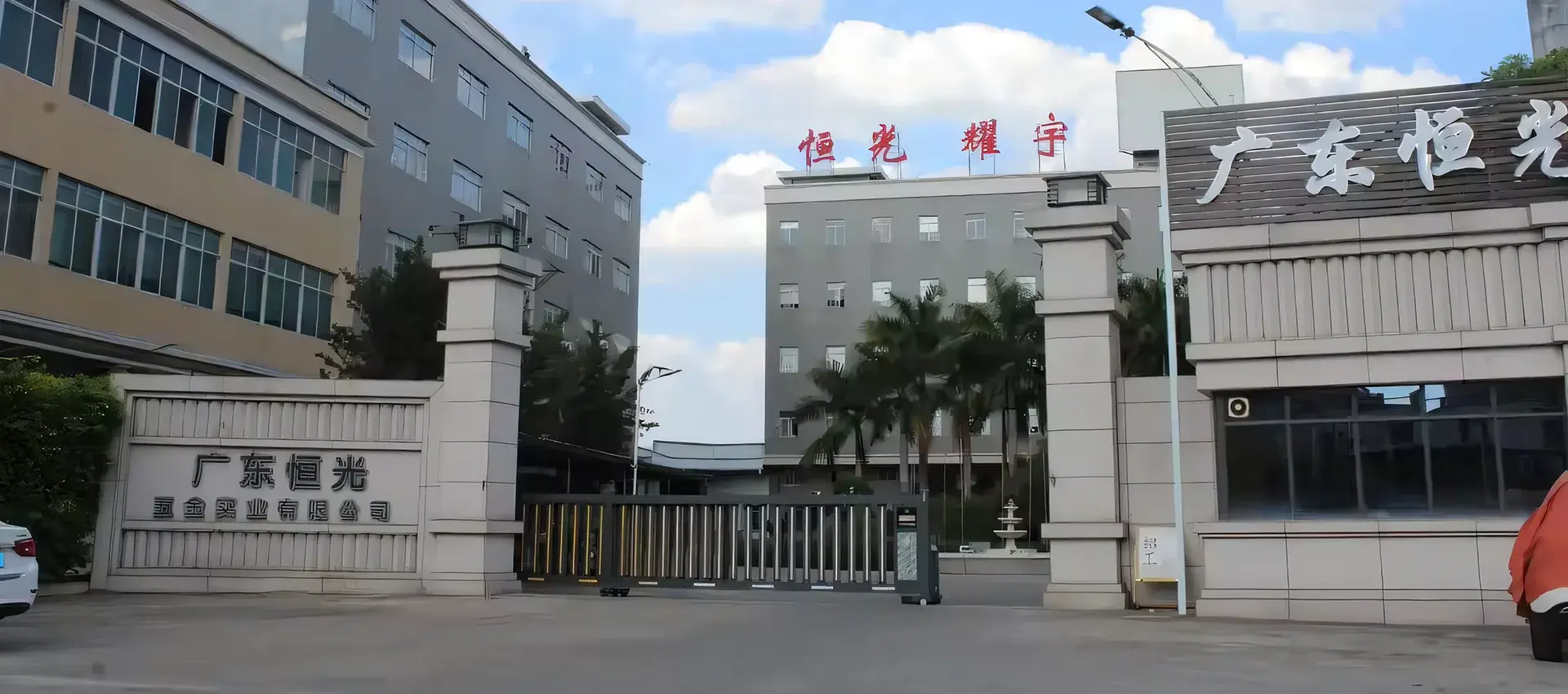
For buyers who want to work directly with a manufacturer, Hengguang provides a specialized sourcing option for mini pressure cookers.
В качестве производитель мини скороварок, Hengguang offers multiple product configurations and supports requirements involving stainless steel construction, capacity, induction-compatible composite bases, handles, lids, surface finishes, logos, and retail packaging.
For brands developing private-label products, OEM/ODM support allows product specifications to be discussed directly with the manufacturing team instead of relying entirely on an intermediary.
Hengguang also manages quality control throughout production and supports bulk orders for wholesalers, retailers, importers, and brands.
For businesses looking for a производитель скороварок на заказ, direct communication can simplify product development, sample confirmation, production coordination, and repeat orders.
Factory or Trading Company: A Quick Decision Guide
Choose a Factory If:
- You need Настройка OEM/ODM
- You are developing a private-label product
- You place recurring bulk orders
- You need direct technical communication
- You want greater visibility into production
- You are building a long-term product line
Consider a Trading Company If:
- You need several unrelated product categories
- You have small or mixed orders
- You need consolidated sourcing
- You do not have an internal sourcing team
- Export coordination is your main concern
The decision should ultimately reflect the complexity of your sourcing requirements rather than simply the supplier’s business type.
Заключение
Choosing between a factory and a trading company depends on what you need from the sourcing relationship.
If your priority is multi-product sourcing, small mixed orders, or procurement support, a trading company may offer practical advantages. If you need OEM/ODM development, private labeling, recurring bulk production, direct technical communication, and greater production control, working directly with a manufacturer may be more appropriate.
For mini pressure cooker buyers, the most useful approach is to evaluate the supplier based on production capability, customization, quality control, pricing structure, and long-term supply stability rather than choosing solely by the label “factory” or “trading company.”
FAQs About Mini Pressure Cooker Sourcing
Is it cheaper to buy mini pressure cookers directly from a factory?
Factory-direct sourcing can reduce intermediary costs, but the final price still depends on MOQ, materials, customization, packaging, and order volume. Compare total landed cost rather than unit price alone.
Can a trading company provide OEM mini pressure cookers?
Yes, but its OEM capability depends on the factories it works with. Buyers should confirm which factory will actually manufacture the product and handle customization.
How do I know if a mini pressure cooker supplier is a factory?
Ask about its factory location, production facilities, manufacturing capabilities, product specifications, and quality-control process. You can also ask who actually manufactures the specific model you plan to order.
Are factories better than trading companies?
There is no universal answer. Factories are generally more suitable for direct production control, customization, and recurring bulk supply, while trading companies can be useful for multi-product sourcing and procurement support.
Should Amazon sellers buy directly from a mini pressure cooker factory?
Direct factory sourcing can be useful for Amazon sellers who need private labeling, customized packaging, product differentiation, or reliable replenishment. Sellers should also evaluate MOQ, compliance, packaging, and total landed cost.